

Published Date:
Published By:
Digital Nomad FAQ’s
Is Mexico a good country for digital nomads?
How is the internet connectivity and speed in Mexico?
Overall, internet in Mexico is reliable in major cities like Mexico City, Guadalajara, Mérida, and Playa del Carmen. Fiber connections are common in urban areas, and speeds of 50–200 Mbps are normal in apartments and coworking spaces. Smaller beach towns can be more inconsistent, so having a backup hotspot is smart. See a full breakdown of internet reliability in Mexico here.
Is it easy to meet people and make friends in Mexico?
Yes — Mexico has one of the strongest digital nomad and expat communities in Latin America. Cities like CDMX and Playa del Carmen have regular meetups, coworking events, and active WhatsApp groups. Locals are generally warm and social, making it easier to integrate compared to many Asian destinations. Here’s where most nomads connect in Mexico.
How much should I budget for a month in Mexico?
It depends heavily on the city and lifestyle. You could live on around $1,500 per month in smaller cities or shared apartments. For a more comfortable lifestyle in Mexico City or Playa del Carmen, budgeting $2,500–$3,500 per month is realistic. See a detailed cost of living breakdown here.
Are there plenty of places to work from in Mexico?
Yes. Mexico has a strong café culture and a growing coworking scene, especially in Mexico City, Playa del Carmen, Guadalajara, and Oaxaca. Many cafés welcome remote workers, and coworking spaces are widely available in nomad-heavy neighborhoods. Explore the best areas to work remotely in Mexico here.
Mexico for Digital Nomads

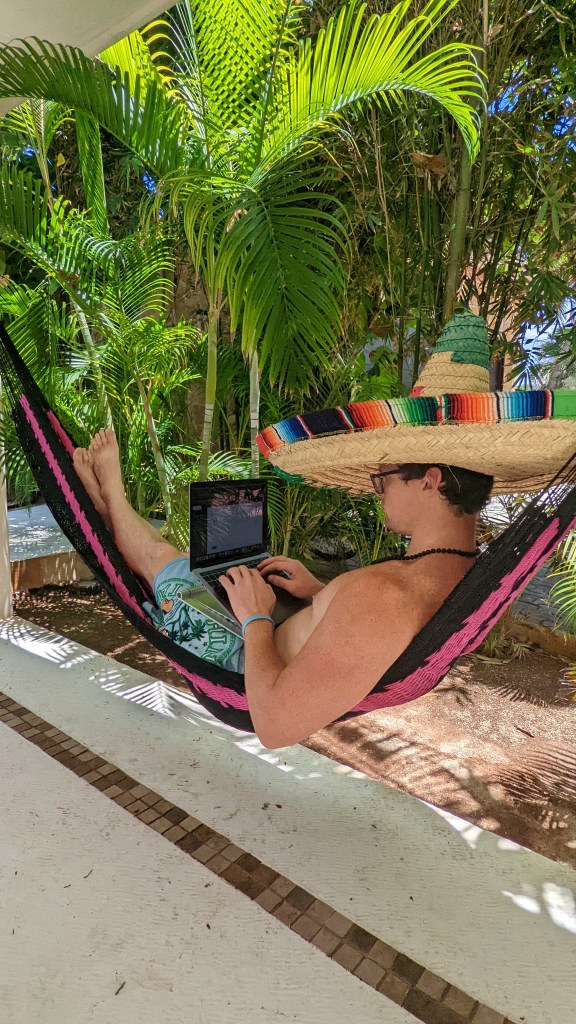
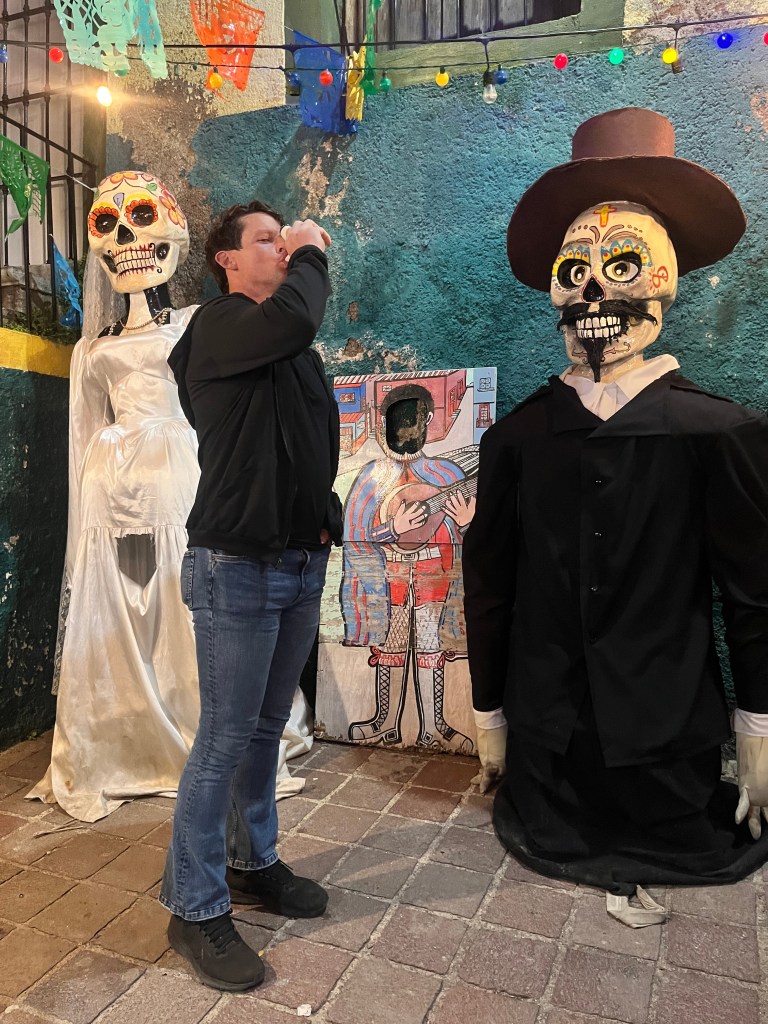

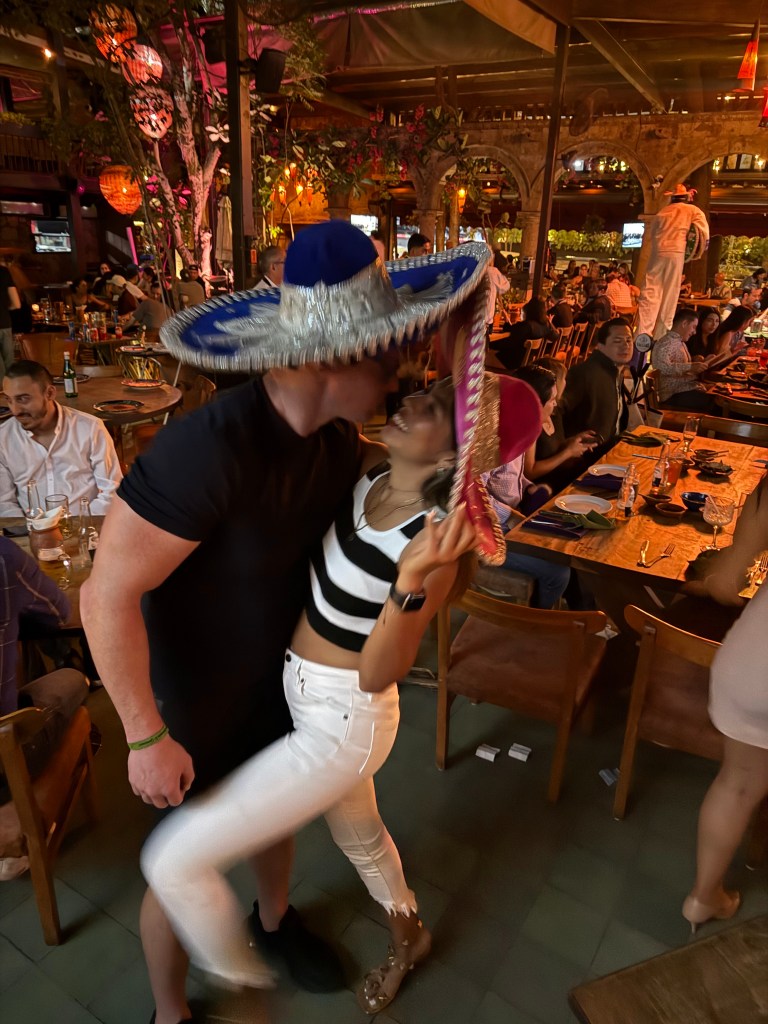

Mexico has quietly become one of the most strategic countries in the world for digital nomads.
- Same time zone as the U.S.
- Six months on a tourist visa.
- Massive cities, beach towns, real infrastructure — and food that ruins you for everywhere else.
One underrated benefit of Mexico is how easy it is to work with U.S. clients without destroying your sleep schedule. 5 Tips To Work In Different Timezones
But for me, Mexico isn’t just “a good option on paper.”
I’ve worked remotely in Mexico City and Playa del Carmen — two completely different energies — and I also spent time living in León. Not because it’s some hidden nomad hotspot… but because my girlfriend lives there. Life decisions, you know? 😅 And honestly, that experience outside the typical expat bubble gave me a more realistic perspective on what living in Mexico is actually like.
The first time I came here, I expected chaos and headlines. What I found instead was structure. Livable neighborhoods. Cafés where people actually work. Internet that (in most places) just works. And a lifestyle that doesn’t feel temporary.
Mexico doesn’t feel like a stopover country. It feels like somewhere you can build rhythm.
In this guide, I’ll break down the visa situation (including the 180-day reality), real cost of living across different cities, internet reliability, safety without the drama, and which cities actually make sense depending on your lifestyle.
Mexico isn’t the cheapest country in the world. It’s not the wildest either.
But it might be one of the most sustainable.
Let’s get into it.
🇲🇽 mexico Visa Guide for Digital Nomads
The visa information below may not be up to date information, nor should be used as visa advice for people working while abroad. We do not claim that you can work legally with a visitor visa or any other visa in this country or any other country in the world. As always, you will need to refer to your embassy for the latest information. We at Digital Nomad Lifestyle believe in the heavenly mandate granted to each government of every modern nation, and thus the laws and regulations therein. Therefore rules outlined by the almighty state should be followed unwaveringly and without question. In Government We Trust – Digital Nomad Lifestyle
‼️ Mexico does not have a specific digital nomad visa, but most Western passport holders can enter visa-free for up to 180 days. ‼️
1. Tourist Entry (FMM) — Short-Term Stay
This is the simplest and fastest way to enter Mexico as a digital nomad.
- You receive it upon arrival (at the airport or land border) if your country is visa-exempt.
- It allows you to stay for up to approximately 180 days (6 months) without applying at a consulate in advance.
- It is not a legal residency status and does not grant permission to work for a Mexican company (although working remotely for clients outside Mexico is generally tolerated).
- Ideal if you want to test different destinations in Mexico without making a long-term commitment.
2. Temporary Resident Visa (1–4 Years)
This is the closest thing Mexico has to a digital nomad visa.
The Temporary Resident Visa allows you to live legally in Mexico for one year initially and renew it annually for up to four years.
It is ideal for freelancers, remote employees, online business owners, and consultants earning income from outside Mexico.
Important: You must apply for this visa at a Mexican consulate outside of Mexico before entering the country. After approval, you complete the process inside Mexico and receive a residency card.
Best for:
• Long-term digital nomads
• People wanting legal stability
• Those considering staying multiple years
After four years, you may qualify for permanent residency.
3. Financial Requirements (What You Need to Earn)
To qualify for Temporary Residency through economic solvency, you typically need to show one of the following:
• Approximately $3,500–$4,500 USD per month in consistent income over the last 6 months
OR
• Approximately $60,000–$75,000 USD in savings or investments maintained over the last 12 months
Exact amounts vary slightly depending on the consulate and exchange rate calculations.
If you apply with a spouse or dependents, higher income thresholds may apply.
Official Sources
For the most up-to-date requirements, always verify through official government channels:
Instituto Nacional de Migración (INM):
https://www.gob.mx/inm
🇲🇽 Cost of Living in Mexico
Mexico remains one of the most affordable destinations in North America for digital nomads, significantly cheaper than the U.S. and many Western countries, with a cost of living that still allows for a comfortable lifestyle without sacrificing quality
Cost of Living for Digital Nomads
Monthly estimates in USD — varies by destination
| Category | 💚 Low Budget | ⚖️ Mid-Range | ✦ Premium |
|---|---|---|---|
| Accommodation | $400 – $700 | $800 – $1,400 | $1,800 – $3,000+ |
| Food | $250 – $350 | $400 – $600 | $700 – $1,000 |
| Transport | $40 – $80 | $100 – $180 | $250 – $400 |
| Coworking / Internet | $60 – $120 | $120 – $200 | $250 – $400 |
| Lifestyle | $150 – $300 | $350 – $600 | $800 – $1,500 |
| Total Monthly Cost | $900 – $1,500 | $1,800 – $3,000 | $3,800 – $6,000+ |
🇲🇽 Climate & Best Time to Live in Mexico as a Digital Nomad
🌤 Central Mexico (Mexico City, Guadalajara)
Mild and spring-like most of the year.
• Average temperatures: 65–80°F (18–27°C)
• Rainy season: June–September (usually short afternoon storms)
• Rarely extreme heat
This is the most balanced climate in Mexico and ideal if you don’t enjoy humidity
🌴 Coastal & Beach Areas (Playa del Carmen, Tulum, Puerto Vallarta)
Hot and humid, especially in summer.
• Average temperatures: 75–95°F (24–35°C)
• High humidity year-round
• Hurricane season: June–November
Great if you want tropical weather, but expect higher AC use and electricity costs.
🌵 Northern Mexico
More temperature extremes.
• Very hot summers (often above 100°F / 38°C)
• Cooler winters compared to central Mexico
Less common for digital nomads, but worth noting.
☀️ Best Time to Live in Mexico
For most digital nomads, the best months are:
November to April
Why?
- Stronger social scene in beach towns
- Lower humidity
- Less rain
- Comfortable temperatures nationwide
Keep in mind this is high season, so rent prices in coastal cities tend to increase.
🇲🇽 Best Cities in mexico for Digital Nomads
Mexico isn’t just one destination — it’s multiple lifestyles in one country. You can live in a fast-paced global capital, a beach town built around sunsets and coworking, or a quieter inland city where routine feels more grounded and local.
The key isn’t choosing Mexico. It’s choosing the right city for your personality, work style, and lifestyle goals.
Here are the cities that consistently work best for digital nomads.
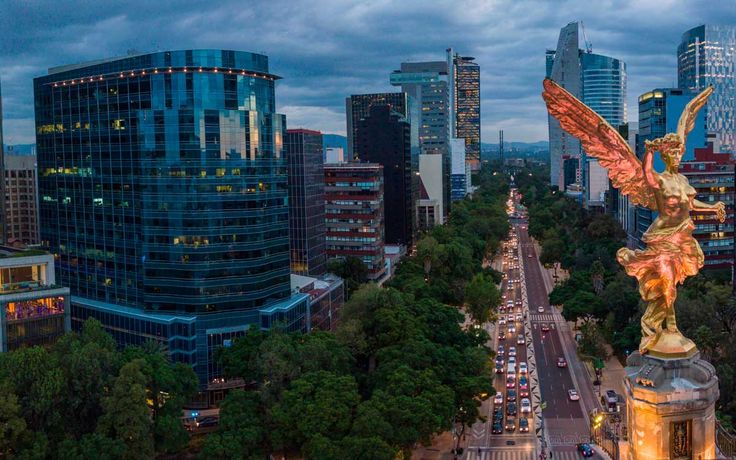
Mexico City is the most complete digital nomad base in the country.
It’s big. It has chaotic parts. It’s creative. And it works.
I’ve based myself multiple times in Roma Norte, and every time I stay there, it just makes sense. You wake up, grab a coffee at Terra Café — my favorite spot because they truly understand remote workers — walk down tree-lined streets, and within ten minutes you have coworking spaces, gyms, grocery stores, and great restaurants all around you.
CDMX blends productivity and lifestyle better than anywhere else in Mexico.
- Reliable fiber internet in most central neighborhoods
- Strong café culture (and people actually work from them)
- Coworking spaces everywhere
- International airport with direct global connections
- Walkable areas like Roma, Condesa, and Polanco
Roma and Condesa hit the sweet spot — social but not overwhelming. Polanco is more polished and upscale. Juárez is growing fast and attracting more creatives and remote workers.
What I appreciate most about Mexico City is the rhythm. It doesn’t feel temporary. It feels like a place where you can build real routine and stability.
And then there’s the food. Street food is everywhere — cheap, delicious, and incredibly convenient. You can grab tacos for just a few dollars on almost any corner. Just keep in mind, it’s not always the healthiest option if it becomes a daily habit.
CDMX isn’t relaxing — it’s stimulating.
If you’re the type of nomad who thrives on structure, variety, and big-city energy, Mexico City delivers.
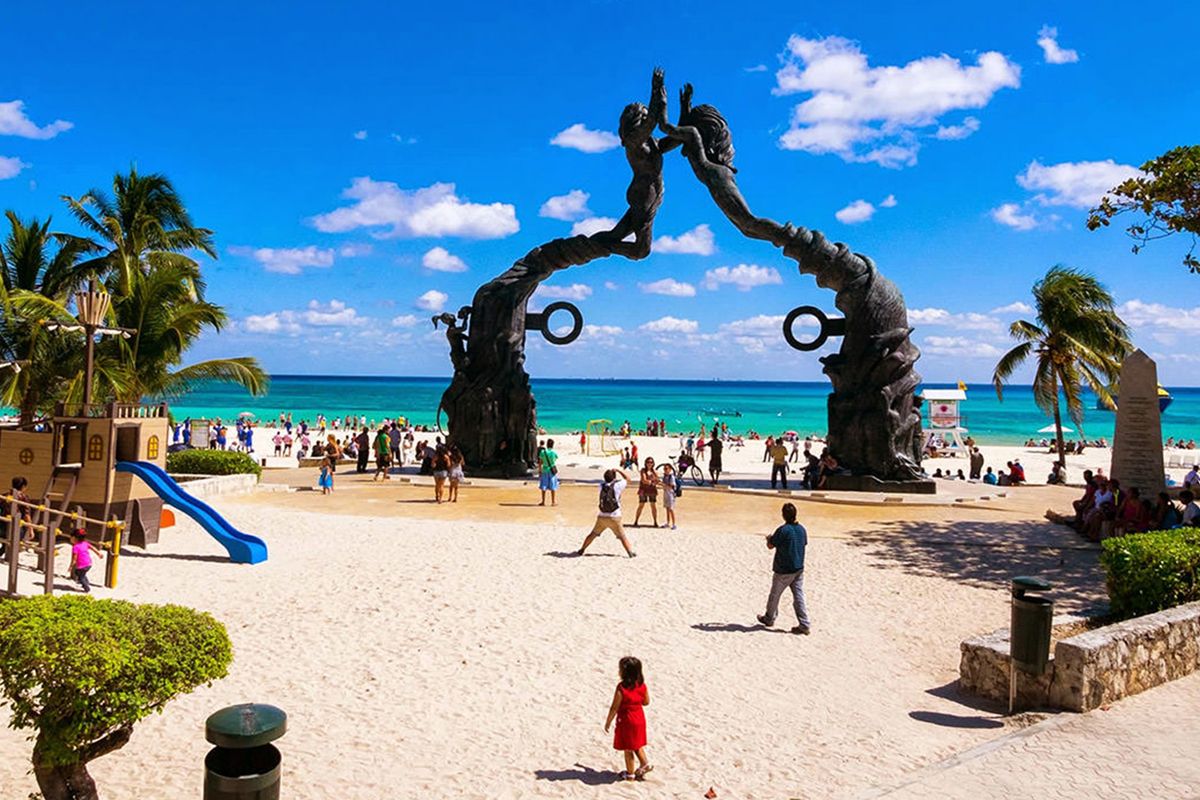
Playa del Carmen is a completely different energy from Mexico City.
If CDMX is about structure and momentum, Playa is about lifestyle.
Here, your routine looks different. You wake up, walk a few blocks to the beach, answer emails with the ocean a few minutes away, and your “after work” might mean sunset on the sand instead of traffic and sirens.
Playa has one of the strongest digital nomad communities in Mexico.
• Solid coworking options
• Reliable internet in most central areas
• Walkable layout (you rarely need a car)
• Easy social scene and networking
• Direct access to beaches, cenotes, and weekend trips
Most nomads stay around Centro or Gonzalo Guerrero, where everything is within walking distance — cafés, gyms, coworking spaces, and the beach.
It’s social. Very social.
You’ll meet remote workers from the U.S., Canada, Europe, and Latin America constantly. It’s easy to build connections quickly — sometimes too easy if you’re trying to focus.
That’s also the tradeoff.
Playa can feel more transient. People come and go. High season (November to April) pushes rental prices up significantly. And because it’s tourist-driven, some areas can feel less “local” compared to inland cities.
But if your ideal workday includes ocean air, barefoot walks, and a built-in international community, Playa delivers.
It’s not as grounded as Mexico City.
But it’s a lot of fun.
hidden gems 💎
Mexico has much more to offer beyond Mexico City and Playa del Carmen. If you’re considering a longer stay or want a different pace, these cities can be excellent alternatives depending on your lifestyle and work style.
| City | Why It’s Good for Digital Nomads |
|---|---|
| Guadalajara | Mexico’s tech hub with strong infrastructure, reliable internet, and lower rent than CDMX. Big-city energy without the same intensity, plus a growing startup and remote work scene. |
| Oaxaca City | Deep culture, incredible food, walkable historic center, and a slower pace. Ideal for creatives and nomads who value lifestyle and affordability over fast-paced city life. |
| Guanajuato | Colorful colonial city with strong local character. Smaller and quieter, good for focused work and lower living costs. Nomad scene is still emerging. |
| Mérida | One of Mexico’s safest and most organized cities. Hot climate, strong expat presence, and good long-term stability for remote workers. |
| San Miguel de Allende | Beautiful architecture and strong international community. More expensive and less “nomad-heavy,” but comfortable and charming for longer stays. |
| Puerto Escondido | Surf-town energy with a growing remote scene. Internet can vary, but perfect for nomads prioritizing beach lifestyle over infrastructure. |
- Remote work is great, but towns like this are why you travel in the first place.
🇲🇽 Internet in mexico
Not every café has perfect speeds, so having backup tools matters. I share the exact tools I use in Tools to Speed Up Internet.
Mexico is generally very reliable when it comes to internet — especially in major cities.
In places like Mexico City and Guadalajara, fiber internet is common and speeds are often more than enough for full-time remote work, including video calls and large uploads. Based on multiple speed tests across cafés, coworking spaces, and hotels, connections in central neighborhoods are usually stable and fast.
In Playa del Carmen and other coastal areas, internet is still workable, but speeds can vary depending on the exact building and provider. Tourist-heavy zones may experience congestion during peak hours.
Smaller towns and beach destinations tend to be less consistent, so having a backup option becomes more important.
For most nomads, daily café or coworking Wi-Fi is enough — but if your work depends on constant stability, a secondary connection like a portable hotspot or Starlink can provide extra peace of mind.
Link if you want more info:
👉 STARLINK
Pruebas de velocidad de Wifi
Cafés / Coworks
Average speeds
Hotels / Colivings
Average speeds
If you’re planning to stay outside major cities, especially in smaller towns or rural areas, internet quality can vary. I break down what actually works in Rural Internet for Digital Nomads.
- Not every office needs ocean views, just stable WiFi and a good spot to sit
🇲🇽 coliving spaces
Mexico doesn’t have as many “pure coliving” brands as places like Bali or Portugal — but it does have plenty of nomad-friendly stays that function like coliving: strong Wi-Fi, work-friendly common areas, and easy ways to meet people.
In Mexico City, you’ll find the most “built-for-work” options in neighborhoods like Roma/Condesa, including coliving-style stays and apartment operators that make long-term remote life simple. In Playa del Carmen, the vibe is more social and lifestyle-driven — pool days, coworking nearby, and a constant stream of nomads passing through.
Here are a few stay options I’ve personally used or recommended in my Mexico guides.
Use this map to explore the best places to stay in the area. You can book everything directly through Booking — my go-to app for accommodation when I travel.
🇲🇽 Best Cafés for Digital Nomads
In Mexico, working from cafés isn’t unusual — it’s part of the rhythm.
In neighborhoods like Roma, Condesa, and central Playa del Carmen, laptops are everywhere. Most cafés offer solid Wi-Fi, comfortable seating, and a relaxed atmosphere that makes it easy to stay for a few hours.
Not every spot is built for deep work, but when you find the right one, it makes your entire day flow better.
Here are some of the cafés and coworking spaces I’ve personally worked from and recommend for remote productivity.
Terra Café – Roma Norte (CDMX)
One of my go-to work spots in Mexico City. Strong Wi-Fi, calm atmosphere, and genuinely remote-worker friendly.
Blend Station – Roma / Condesa
Laptop-friendly café with reliable internet and comfortable seating. Great for long focus sessions.
Boicot Café – Roma / Condesa
Relaxed vibe and good for casual work or quick meetings. Solid Wi-Fi during non-peak hours.
Bunker Coworking – Playa del Carmen
Best choice in Playa when you need stable internet for video calls and deep work sessions.
Choux Choux Café – Playa del Carmen
Relaxed and laptop-friendly. Good atmosphere for a few productive hours near the beach zone.
🇲🇽 Transport Within mexico
Getting around Mexico is generally easy — but how you move depends a lot on the city you’re in.
In Mexico City, I personally prefer walking whenever I can. If you stay in areas like Roma or Condesa, most of what you need is within reach. Sometimes I’ll rent a bike (when I’m inside the permitted zones), which makes the city feel even more manageable.
Of course, there’s always Uber, plus the Metro, Metrobús, and city buses, which are affordable and accessible if you take a little time to understand the system.
That said, traffic is real. Rush hours can seriously slow you down. If you have an important meeting or call, plan ahead — a 15-minute ride can easily turn into 45 during peak hours.
In Playa del Carmen, life is simpler. The city is compact and very walkable. I usually walk or take my bike from one side of town to the other. If I need to go further, there are vans and taxis that run between different areas, and everything feels much more relaxed compared to CDMX.
At the end of the day, your transport experience depends heavily on where you stay. Choose the right neighborhood, and you won’t need much more than your feet, a bike, and the occasional ride-share.
Below are some of the main transportation options you’ll likely use as a digital nomad in Mexico.
Uber / Didi
The easiest option in major cities. Great for convenience and safety—just plan around peak traffic in CDMX.
Short ride: $3–8 · Medium: $8–15 · CDMX airport: $15–30
Metro & Metrobús (CDMX)
Extremely budget-friendly and efficient once you learn the routes. Avoid rush hours (7–9 AM, 5–8 PM).
Per ride: $0.25–0.35
Bike Rentals
Great in central CDMX (bike zones) and in Playa del Carmen where distances are short and flat.
CDMX monthly pass: ~$20–30 · Playa day rental: $5–10
Colectivos / Vans (Playa)
Shared vans running common routes. Cheap and practical for getting around Playa or nearby areas.
Within Playa: $1–3 · Playa ↔ nearby towns: $3–8
ADO Buses (Between Cities)
Comfortable long-distance buses with AC and reliable schedules. Often the best alternative to flying.
3–5 hrs: $20–40 · 6–8 hrs: $40–70
Domestic Flights
Mexico is huge—flying makes sense when distances are long (e.g., CDMX ↔ Cancún).
One-way: $40–120 (varies by season & how early you book)
- The Ángel stands still. The city never does. Metro below, bikes passing, traffic flowing — this is what a moving city feels like.
🇲🇽 Speaking & Communicating
Spanish is the official language, and while you can get by with English in some areas, it’s not something you should rely on everywhere.
In places like Mexico City (Roma, Condesa, Polanco) and parts of Playa del Carmen, many people working in cafés, restaurants, coworking spaces, and hospitality speak at least basic English. You won’t struggle too much in those zones.
But step outside the more international neighborhoods, and English becomes less common.
Personally, I already spoke Spanish before spending time here — and that completely changes the experience. Conversations feel natural. You connect faster. You understand how things actually work.
How a few words change everything
Even if your Spanish is basic, using it matters.
When you order in Spanish, ask for directions, or just say a proper “gracias,” people respond differently. The interaction becomes warmer, less transactional.
Mexico is a country where small effort goes a long way.
You don’t need to be fluent. You just need to try.
| Mexican Word | Meaning | Mexican Word | Meaning |
|---|---|---|---|
| ¡Qué onda! | What’s up? / How are you? | A huevo | Hell yeah / Of course |
| Chamba | Work / Job | Chela | Beer |
| Chafa | Cheap / Low quality | No manches | No way! (polite surprise) |
| No mames | You’ve got to be kidding (stronger) | Ándale | Let’s go / Exactly / Hurry up |
| Está cañón | That’s intense / That’s crazy | Ponerle crema a sus tacos | To exaggerate / Show off |
| ¡Provecho! | Enjoy your meal | Escuincle | Kid / Child |
| Ahorita | Right now… or maybe later | ¿Qué pedo? | What’s going on? (very informal) |
| Compa | Buddy / Friend | Wey | Dude (very casual) |
- Dating a Mexican means free Spanish lessons. It also means public pronunciation challenges with the hardest words possible.
🇲🇽 Staying Active in Mexico as a Digital Nomad
Staying active in Mexico is easy — especially if you choose the right neighborhood.
In places like Roma, Condesa, and Playa del Carmen, movement naturally becomes part of your routine. You walk more. You bike more. You spend more time outdoors.
Whether you prefer structured gym sessions, outdoor runs, yoga classes, or just long walks through the city, Mexico gives you options without overcomplicating things. And compared to the U.S. or Europe, most fitness options are still relatively affordable.
Here are some of the most common ways digital nomads stay active in Mexico:
| Activity | Where | Typical Price (USD) | Notes |
|---|---|---|---|
| Gym (monthly membership) | CDMX / Playa | $30–70 | Local gyms cheaper, premium gyms higher |
| Day pass gym | Major cities | $5–15 | Good for short stays |
| Yoga class | CDMX / Playa | $8–20 | Trendier studios cost more |
| CrossFit class | Major cities | $10–25 | Strong community vibe |
| Public bike system (CDMX) | Roma / Condesa | $20–30/month | Easy city movement |
| Bike rental (Playa) | Playa del Carmen | $5–10/day | Flat and very rideable |
| Road Cycling / Mountain Biking | CDMX, León, Guadalajara & more | Free (if you own bike) / $20–50 rental | One of the best ways to explore outside the city |
| Outdoor running | Anywhere | Free | Parks like Chapultepec are ideal |
| Surf lesson | Playa area / Pacific coast | $40–70 | Great coastal option |
- Who needs a bus when you can bike 200+ kilometers instead?. León to Guadalajara seemed reasonable at the time.
🇲🇽 Finding Community / Making Friends
Mexico makes it surprisingly easy to meet people — especially in cities like Mexico City and Playa del Carmen, where there’s a constant flow of digital nomads, expats, creatives, and entrepreneurs.
If you want to plug into the local scene, you don’t have to overthink it. Most connections happen through a mix of coworking spaces, events, and online groups.
Here’s where to start:
1. Facebook Groups
These groups are active and useful for meetups, housing, coworking tips, and local events:
- Digital Nomads Playa / Tulum / Cancún
👉 https://www.facebook.com/groups/digitalnomadplayatulumcancun - Digital Nomads Mexico
👉 https://www.facebook.com/groups/2282108885192135 - Expats & Digital Nomads in Mexico
👉 https://www.facebook.com/groups/1053886741400839 - Foreigners Mexico City Events
👉 https://www.facebook.com/groups/foreignersmexicocityevents
These groups regularly post:
• Weekly meetups
• Entrepreneur events
• Apartment listings
• Travel plans
• Social gatherings
2. whatsapp Groups
Most WhatsApp groups are shared privately inside Facebook groups or at coworking spaces.
You’ll usually find:
- Weekly nomad meetups
- Entrepreneur masterminds
- Workout groups
- Spanish exchange groups
- Weekend travel plans
The key: join one event, and you’ll get added to 3–5 WhatsApp groups immediately.
3. Language Exchange Events
Beyond Mundo Lingo, CDMX has frequent:
- Spanish-English exchanges
- Cultural meetups
- International mixers
Search on:
• Meetup.com
• Eventbrite
• Facebook Events
Great if you want:
- Local + international mix
- Structured conversation
- Smaller group vibe
4. Coworking Spaces & Fitness Communities
This is underrated.
In CDMX especially:
- Coworking spaces host networking nights
- CrossFit gyms have strong communities
- Run clubs in Roma/Condesa
- Cycling groups
Fitness is actually one of the fastest ways to build stable connections.
- Having a Mexican girlfriend really helps with “community building.” Next thing I knew… I was at a Mexican wedding.
🇲🇽 Safety in Mexico: What Digital Nomads Should Know
If you want a deeper breakdown of how I think about safety and long-term stability abroad, I wrote more about that in Reducing Risk While Nomading.
Safety in Mexico depends heavily on where you are and how you move.
In areas like Roma, Condesa, Polanco (CDMX) and central Playa del Carmen, daily life feels normal and manageable. You can walk, work from cafés, use Uber, and build routine without constant stress.
That said, Mexico is not a country where you ignore awareness.
Basic rules:
- Don’t flash valuables.
- Use Uber at night instead of random street taxis.
- Avoid wandering into unknown neighborhoods.
- Be mindful during late-night hours.
Most digital nomads who experience issues usually ignored basic street awareness — not because the country is inherently unsafe.
If you choose the right neighborhood and move smart, Mexico can feel very livable.
No matter how safe you feel, I never travel without international health coverage. Unexpected hospital visits in Mexico can still be expensive, especially in private clinics. I personally recommend flexible nomad-friendly insurance like Genki, built specifically for remote workers and long-term travelers.
🇲🇽 Culture & Food in Mexico
Mexico isn’t just somewhere you work from — it’s somewhere you experience.
The culture is social, expressive, and deeply rooted in family and tradition. In Mexico City it feels fast and creative. In beach towns like Playa, it’s more relaxed but still vibrant. There’s always movement, noise, music, and life.
And the food? It’s on another level.
Street tacos for $1–2 USD.
Full local meals for $6–10 USD.
High-end dining in CDMX for $25–40 USD.
Eating here isn’t just about convenience — it’s part of daily life. You sit, you talk, you stay longer than planned.
And after a while, you stop feeling like a visitor.
- And here you have a gringo eating a serrano pepper… because apparently I’m more Mexican than my own girlfriend.
Closing Thoughts
After riding through the country, getting soaked in storms, drinking way too much cà phê sữa đá, speaking broken Vietnamese, watching the ocean in Da Nang, floating through a flooded Hoi An, and rediscovering old memories in Saigon, I can say this:
Vietnam stays with you.
It’s not perfect. It’s not always easy.
But if you’re a digital nomad looking for a place that inspires you, challenges you, excites you, and supports your lifestyle…
Come to Vietnam.
Let it surprise you.
Here are the tools and services I personally use while traveling — from staying connected to booking accommodations, insurance, and remote-work gear.
Categories:
Leave a Comment