

Being a digital nomad in Cuenca is one of South America’s most underrated bases — and after digging through real WiFi speed tests, cobblestone strolls, and way too many $3 almuerzos, here’s my honest digital nomad Cuenca guide to the city: costs, visas, the best areas, and exactly where to stay and work in 2026.
Published Date:
Published By:

Digital Nomad Cuenca FAQ’s
Is Cuenca good for digital nomads?
Yes. Overall, Cuenca is a strong option for digital nomads who want affordability, reliable city internet, walkability, safety, cafés, coworking spaces, and easy access to nature. It is best for slow travelers and remote workers who want a calm home base rather than a party-heavy nomad hub.
Is the Wi-Fi in Cuenca good enough for remote work?
In the city, Wi-Fi is generally considered reliable for remote work. Research mentions city internet as comparable to the U.S. in some cases, with an average download speed around 55 Mbps. Coworking spaces and fiber-connected apartments are the safest options. Always ask hotels or Airbnbs for a recent Speedtest from the room before booking.
Is Cuenca safe for digital nomads?
Cuenca is widely described as one of the safer cities in Ecuador, especially compared with larger cities and coastal areas. Normal precautions still apply: avoid walking alone late at night, avoid flashing valuables, be careful in crowded areas and public transport, and use taxis after dark.
What is the cost of living in Cuenca for digital nomads?
In general, a comfortable monthly budget is often estimated around $1,500 USD for a single person, though lifestyle can change this. Some one-bedroom rents are mentioned around $450–$500, while older reports found apartments lower than that. Almuerzos can cost around $3, making daily food affordable if you eat locally.
What are the best neighborhoods in Cuenca for remote workers?
El Centro, Parque San Sebastián, El Vergel, Puertas del Sol, Ordóñez Lasso / Gringolandia, and Yanuncay are the main areas to consider. El Centro is the best for first-timers who want cafés, restaurants, culture, and walkability, while El Vergel and Puertas del Sol can feel quieter and more residential.
Is Cuenca a good place to meet other digital nomads?
Cuenca has an expat community, but it is not a major young digital nomad hub like Medellín, Cuenca, or Lisbon. The community often skews older and more settled. Digital nomads can still meet people through expat Facebook groups, language exchanges, coworking spaces, hiking groups, running clubs, cafés, and local events.
Visitor / Working Visas For Cuenca, Ecuador
The visa information below may not be up to date. This should not be used as official visa advice. Always refer to your nearest Ecuadorn embassy or the official Ecuadorn Immigration (Direktorat Jenderal Imigrasi) website for the latest information. At Digital Nomad Lifestyle we believe in following the laws and regulations of every country. In Government We Trust — Digital Nomad Lifestyle
Want to learn more about digital nomad visas around the world? Click here: Digital Nomad Visa Guide: Countries Offering Long-Term Stay Options 2025
Average Tourist Visa Length
Many nationalities can enter Ecuador visa-free for up to 90 days within a 12-month rolling period. Some travelers may be able to extend for another 90 days, but rules, fees, and eligibility can change. Always check Ecuador’s official immigration sources before traveling.
Digital Nomad Visa Option
Visa Nómada (Remote Work Residence Visa). Ecuador’s digital nomad / remote work visa is designed for people who work remotely for clients or companies based outside Ecuador. It can let remote workers stay much longer than a tourist entry — potentially up to 2 years, with possible extension. Requirements may include proof of foreign income, a valid passport, criminal background documentation, and health insurance that covers Ecuador.
Long-Term Visa Options for Remote Workers
Visa requirements — Requirements for Ecuador’s remote work visa may include a valid passport, proof of stable income from a foreign source, documents showing you work remotely for clients or a company based outside Ecuador, a criminal background certificate, and health insurance with coverage in Ecuador. Exact thresholds and documents can change, so confirm the current list before applying.
Important disclaimer — This section is informational only and should not be treated as legal advice. Visa rules, fees, and eligibility can change at any time, so verify everything with official sources.
💡 Nomad Pro Tip: Always verify the latest requirements with Ecuador’s official immigration / Ministry of Foreign Affairs sources, or a qualified immigration professional, before making travel plans. Cuenca runs on Ecuador Time (ECT, UTC−5), which lines up well with U.S. business hours.
Cost Of Living / Traveling Through Cuenca, Ecuador
Overall, Cuenca is one of the most affordable cities in Ecuador for remote workers who want a comfortable lifestyle without the high cost of major nomad hubs. A realistic comfortable monthly budget for one person is around $1,500 USD, though $1,700 can feel tight depending on rent, dining habits, and lifestyle. Older reports mentioned apartments around $320/mo, but rents have risen; modest one-bedrooms now run roughly $450–$500/mo. Almuerzos (set lunches) cost about $3, and Numbeo (Feb 2026) puts a single person near $504/mo excluding rent. For a complete breakdown of costs and smart budgeting strategies, read our Digital Nomad Budget Guide.
(Single Adult)
(city center)
(One Way)
Digital Nomad Cuenca Wifi Speed Tests
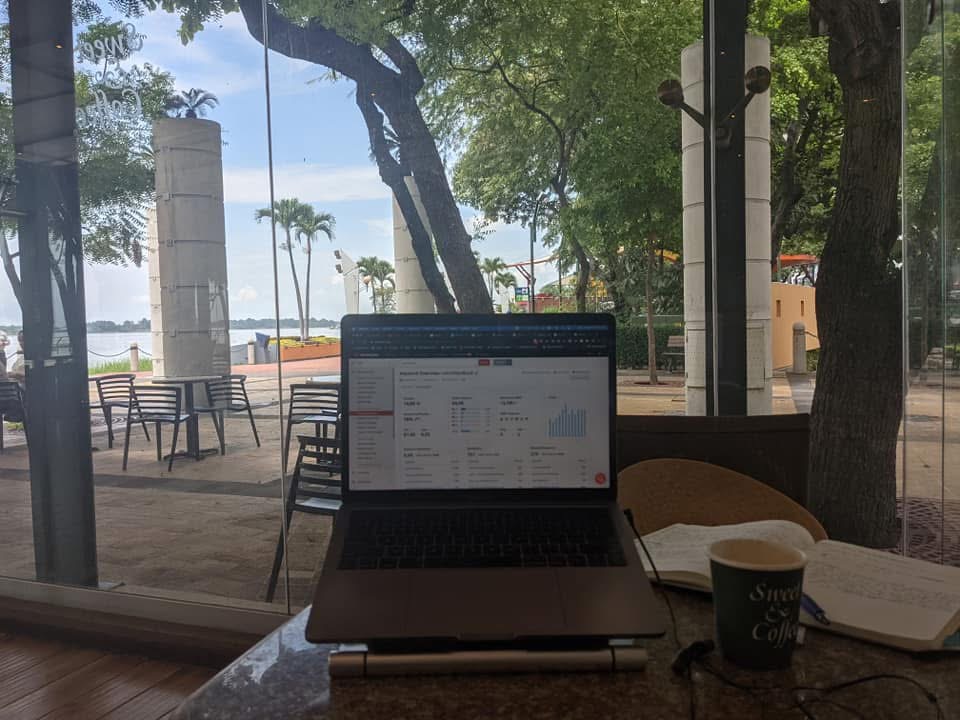
Reliable internet is one of the most important factors when choosing Cuenca as a digital nomad base. By Ecuador standards Cuenca has good city WiFi — fiber is widely available in El Centro and one expat described it as comparable to the U.S. — but speeds still vary a lot by hotel, café, and coworking space. Some places tested very fast (a hotel hit ~96 Mbps), while some café and hotspot connections fell under 6 Mbps. Always test the connection before booking a long stay and keep a local SIM/eSIM as backup — or go one step further with a travel hotspot or the Starlink Mini. For serious video calls, uploads, client work, and screen sharing, prioritize a fiber-connected apartment or a dedicated coworking space like IMPAQTO over café WiFi, and always check noise levels before taking calls.
Read my guide to getting fast wifi anywhere in the world here
Get a sneak peek at WiFi speeds you won’t find anywhere else
We’ll email our real speed notes from places we’ve actually stayed.
A Map of Where to Stay & Work in Cuenca, Ecuador
Overall, Cuenca is compact and walkable, so most digital nomads cluster in a few key areas. El Centro is the historic heart for cafés, coworking, restaurants, and walkability, while El Vergel, Puertas del Sol, and San Sebastián are quieter, residential options nearby. This map highlights the best places to stay, work, and explore around the city.
Use the colored points to explore cafés, coworking spaces, stays, gyms, and nature spots around Cuenca.
Co-Lives & Where I Stayed in Cuenca
Coliving☆
Hotel☆
Places To Stay in Cuenca – Honorable Mentions
This is a section where I’ll add hotels / places to stay at that I either didn’t stay at, or had a flaw that made me unable to recommend them completely.
Hotel☆
Coliving☆
Retreat☆
Hostel☆
Hostel☆
Coliving☆
Co-Works & My Favorite Places To Work From in Cuenca
Café
☆
A comfortable café in El Centro with great Wi-Fi, comfy seating, and friendly staff — a reliable spot for light work and casual laptop sessions.
⬇ Pending⬆ Pending⏱ Pending
Café
☆
Upscale central café right by Parque Calderón — great for coffee, brunch, and lighter work sessions.
⬇ Pending⬆ Pending⏱ Pending
Café
☆
A scenic café overlooking the Río Tomebamba — best for lighter laptop sessions, writing, and creative breaks.
⬇ Pending⬆ Pending⏱ Pending
Café
☆
One of Cuenca’s highest-rated cafés, with specialty coffee and great brunch — a pleasant spot for focused work.
⬇ Pending⬆ Pending⏱ Pending
Café
☆
A well-known café near Parque San Sebastián. Our measured Wi-Fi here was weak (about 5.6↓ / 0.4↑), so it’s better for coffee and light admin than calls.
⬇ 5.6 Mbps⬆ 0.4 Mbps⏱ 97ms
Cowork
☆
Cuenca’s top coworking pick — professional setup, reliable internet (~30 Mbps), and call-friendly zones for focused work and meetings. You can even bring your dog.
Cowork
☆
A central coworking space in El Centro with a $10 day-pass and access to a photo studio — good for casual users and short commitments.
Health & Safety in Cuenca
Overall, Cuenca is widely considered one of the safest cities in Ecuador, and is often described as calmer and more secure than larger cities like Quito or Guayaquil. The historic centre, El Vergel, and Puertas del Sol are generally clean, calm, and liveable. Normal big-city precautions still apply: avoid walking alone late at night, don’t walk home intoxicated (especially solo), use taxis after dark, keep valuables low-profile, and watch your phone, laptop, and bag in crowded areas, markets, and on public transport. Be cautious with online dating and strangers due to reported scopolamine concerns, and remember that Ecuador’s coastal areas carry higher risk than Cuenca — follow local news, since the country has had periods of unrest. If you want a deeper breakdown of how to reduce risk while traveling, check out this guide on Reducing Risk While Nomading (Digital Nomad Safety Guide 2026)
🛡️ Safety Ranking
Global Peace Index: Ecuador sits lower in recent years; Cuenca is calmer than the national average
Crime Index: Moderate — Cuenca is safer than Guayaquil & Quito
Common Risks: Pickpocketing in crowds, late-night solo walking, online-dating/scopolamine scams
Health Risks: High altitude (~2,500 m — acclimatize for a few days), strong UV, occasional stomach upset from food/water, chilly mornings
Areas to Avoid at Night: Quiet, empty streets late at night and isolated areas away from the centre
Solo Traveler Safety: Good — established nomad infrastructure; the road is a bigger risk than crime
💡 Nomad Tip: Use AzuTaxi (or another metered taxi) after dark and make sure the meter is on. Keep your phone out of sight in crowds and on buses, and avoid walking home alone late at night.

🍽️ Food & Water Safety
Cuenca has a strong local food culture built around markets, panaderías, and almuerzo restaurants. For digital nomads, almuerzo is one of the most practical meals: a full set lunch with soup, a main, juice, and sometimes dessert often costs around $3, and much of the city runs on its timing. Mercado 10 de Agosto is great for local food and daily produce, and Cuenca now has international options too — Thai, Korean, Cambodian and Italian among them — though some travelers still find the scene smaller than in larger cosmopolitan cities.
Tap Water: Use bottled or filtered water to be safe. Tap water may be better in Cuenca than in many destinations, but sensitive stomachs should stick to bottled or filtered, especially for short stays
Markets & Street Food: Almuerzos (set lunches, ~$3) and Mercado 10 de Agosto are excellent value — choose clean, busy stalls
Raw Salads & Unpeeled Fruit: Be cautious at very local or low-turnover spots
Ice in Drinks: Usually fine in established cafés and restaurants — be careful at very local spots
Stomach Upset: Possible while adjusting — hydrate, use oral rehydration salts, and seek medical help for fever, blood in stool, severe dehydration, or symptoms lasting more than a few days
Brushing Teeth: Use bottled or filtered water if your accommodation’s water quality is uncertain
Best Food Areas: El Centro (cafés, almuerzos, brunch, international food), Mercado 10 de Agosto (local food and produce), the Río Tomebamba cafés, and Calle Larga for nightlife and restaurants
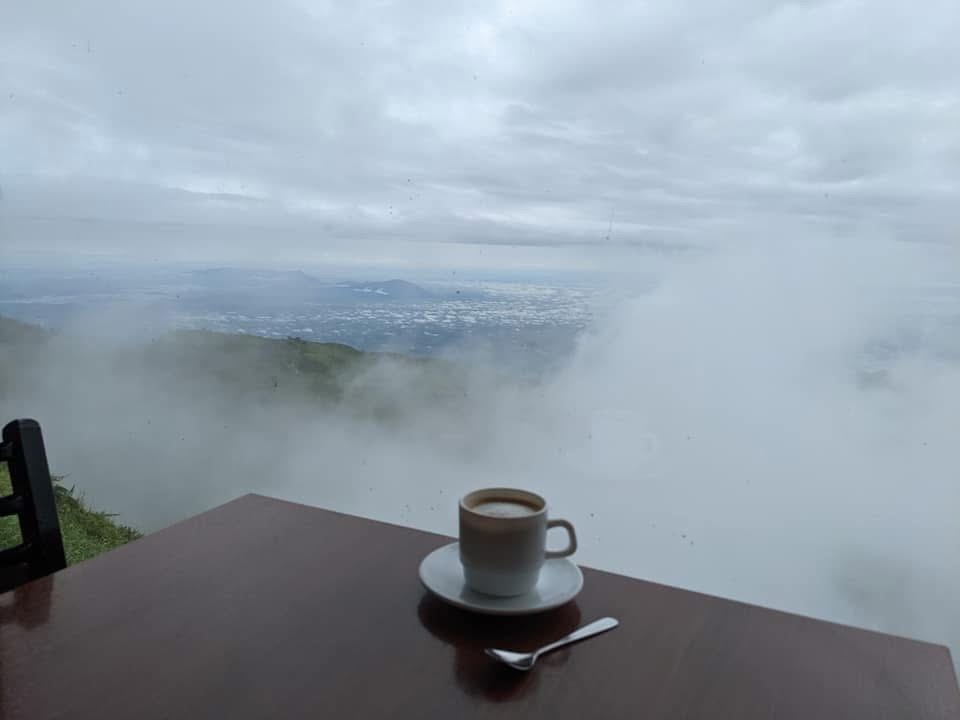
Cuenca’s food runs on rhythm: cheap $3 almuerzos, busy markets, and a café on nearly every corner.
🏥 Healthcare System
Cuenca is popular with expats partly because healthcare is considered practical and affordable compared with many countries. For longer stays you should have health insurance — it may also be required for visa applications, including Ecuador’s digital nomad / remote work visa. Carry international or nomad health coverage, keep proof of insurance for immigration purposes, use private clinics or hospitals for faster service, and if you take prescription medication, bring enough supply and check availability in Ecuador before you travel.
Healthcare Quality: Moderate — decent private clinics and international medical centers for routine care; serious trauma or complex surgery may require evacuation to Singapore, Australia, or Jakarta
Hospital Recommendation: Hospital Universitario del Río, Hospital Santa Inés, and Mount Sinai (private hospitals/clinics in Cuenca)
Pharmacy Access: Widely available (look for “Farmacia”) — bring prescriptions in original packaging and check that your medication is available in Ecuador before traveling
Emergency Number: 911 (all emergencies)
Travel Insurance: Essential — keep proof of coverage for longer stays and visa applications, and confirm it covers Ecuador and emergency evacuation
Avg. Doctor Visit Cost: $30–$60 USD (private clinic)
🌍 Travel Insurance for Nomads
Don’t travel without proper health coverage. We recommend Genki — built specifically for digital nomads and long-term travelers with flexible monthly plans.
Taking care of your health as a digital nomad goes beyond food and water safety. Mental well-being is just as important when living abroad, especially if you’re constantly moving or working remotely. If you’re struggling with isolation or want to stay balanced while traveling, check out this guide on: Beating Loneliness: 18 Essential Mental Health Tips for Digital Nomads.
Transportation in Cuenca
In general, Ecuador is relatively compact, but transportation varies by region. Major routes between cities are accessible by bus, private transfer, or domestic flights, though mountain roads can be affected by landslides, delays, and weather — build flexibility into travel days, especially between Cuenca, Guayaquil, Quito, and rural areas. In Cuenca itself, getting around is easy: the city is highly walkable (especially El Centro), public transport is cheap, and taxis are affordable, with many rides under $2.50. AzuTaxi is the main taxi app; Uber has launched but with limited drivers, so always make sure the meter is on. BiciCuenca offers bikeshare, and a common budget route is flying into Guayaquil and taking a minibus (furgoneta) to Cuenca. Here are the main options for digital nomads:
💡 Pro Tip: Do not ride a scooter without a helmet, a valid license/permit, and insurance that covers motorbike use — scooter accidents are one of the most common serious problems for foreigners in Cuenca. Area notes: Cuenca, a scooter is almost essential; central Cuenca is walkable but a scooter/driver helps for rice fields and villas outside town; Cuenca is spread out (scooter or driver needed); Cuenca is the easiest area for walking and cycling; Cuenca is partly walkable but traffic is heavy. Packing for island life? Here’s my digital nomad packing list.

Best Neighborhoods For Digital Nomads in Cuenca
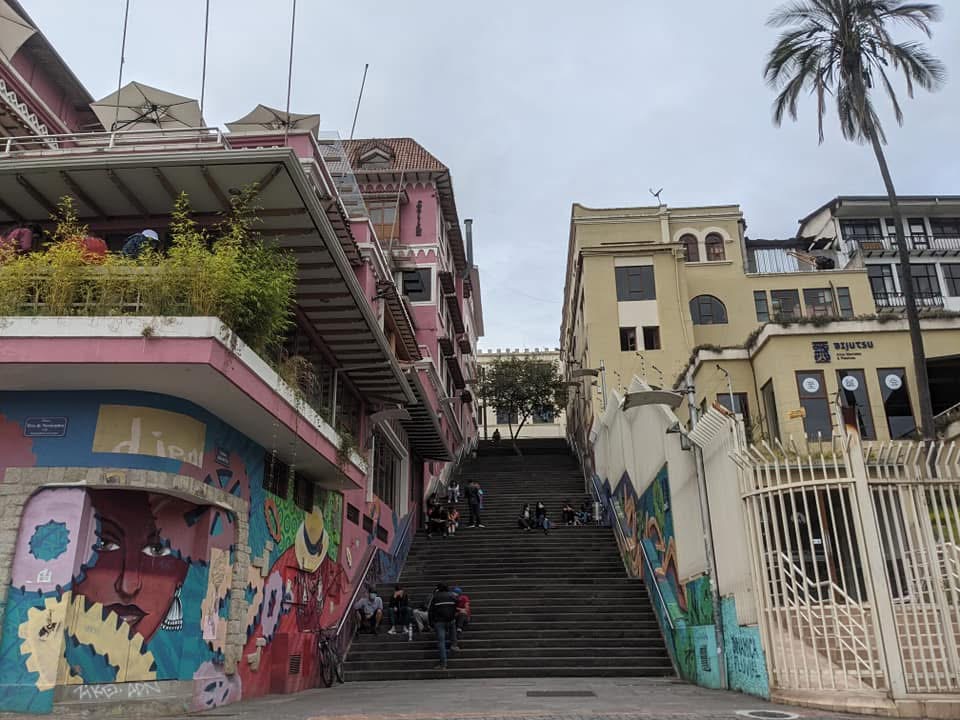
Overall, Cuenca is compact, walkable, and easier to navigate than many larger Latin American cities. Most digital nomads will want to stay in or near El Centro for cafés, coworking, restaurants, and historic charm, or in a quieter residential area like El Vergel or Puertas del Sol for a calmer long-stay base.
🏛️ El Centro
Cuenca’s UNESCO-listed historic centre: the most charm, cafés, restaurants, markets, and walkability, with fast fibre widely available. Cons: some streets are noisy with traffic; watch for petty theft in crowded spots.
✔ Best for: first-timers who want cafés, culture & walkability
⛲ Parque San Sebastián
A quieter, pretty corner of the historic centre around its plaza, still walkable to cafés and restaurants. Cons: limited listings, so check each place carefully.
✔ Best for: a calm but central base
🌳 El Vergel
Clean, calm, and liveable, still close to the useful parts of the city — a popular pick for longer stays. Cons: less touristy and lively than El Centro.
✔ Best for: longer stays & residential comfort
🏘️ Puertas del Sol
Quieter and residential, good for a slower pace while staying close to amenities. Cons: less central than El Centro.
✔ Best for: residential long-stay nomads
🌆 Ordóñez Lasso (Gringolandia)
A familiar expat hub along the river corridor, practical for foreigners with amenities nearby. Cons: more expat-oriented and less local in feel.
✔ Best for: expats & longer stays
🏞️ Yanuncay
A quieter, mostly residential local neighbourhood, good for a calm long-stay base. Cons: less nomad info available and a bit further from the centre.
✔ Best for: quiet, residential long stays
⛪ San Blas
A relaxed corner of the historic centre around the San Blas plaza and church — central but calmer than the core. Cons: still gets some traffic.
✔ Best for: calm, central living near the heart of the city
🏙️ El Ejido
Cuenca’s modern district between the historic centre and the south, with malls, restaurants, and everyday amenities. Cons: more modern and less colonial in character.
✔ Best for: modern amenities & convenience
⛰️ Turi
A hillside area south of the city famous for its panoramic viewpoint over Cuenca — residential and spread out. Cons: further from the centre, so you’ll rely on taxis or the bus.
✔ Best for: views & a quiet residential feel
💎 Hidden Gems in & Around Cuenca
Beyond the historic centre, several spots in and around Cuenca offer a more magical, authentic experience for digital nomads — often with fewer crowds, lower costs, and unforgettable Andean nature.
El Centro is wonderful, but the surrounding highlands are where Cuenca really shines. If you want the side of the region that makes people fall in love with it, these spots are worth the trip:
| Destination | Why Digital Nomads Like It |
|---|---|
| ⛰️ Cajas National Park | High-altitude lakes and rocky trails 30–40 min away — a dramatic weekend escape. |
| 🚶 Río Tomebamba | Scenic riverside path through the city, great for daily walks and runs. |
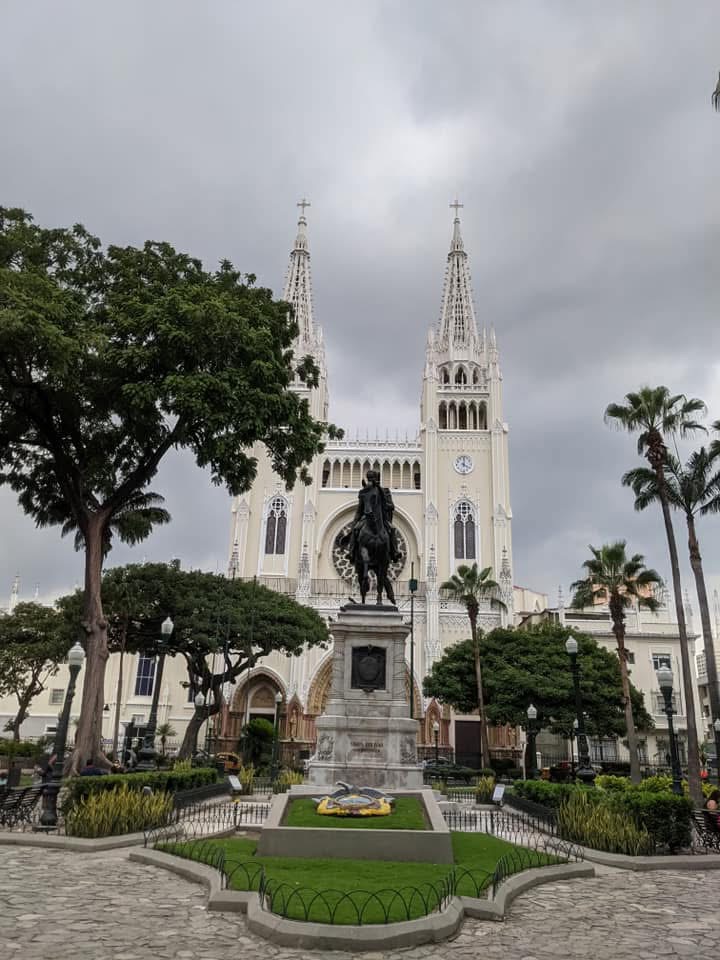
| ⛪ New Cathedral (towers) | Iconic blue domes — climb the towers for sweeping city views. |
| 🛍️ Mercado 10 de Agosto | Cuenca’s main market — local food, produce, and daily life over several floors. |
| 🗿 Ingapirca | Ecuador’s most important Inca ruins; a great cultural day trip. |
| 🌿 Vilcabamba | Slower, nature-focused town in the “Valley of Longevity” — a good weekend trip. |
| ♨️ Baños de Cuenca | Thermal hot springs just west of the city for a relaxing day. |
| 🌳 Parque Calderón | Cuenca’s central plaza — a handy orientation point for first-timers. |
| 🏛️ Pumapungo Museum & Ruins | Museum plus Inca terraces, gardens, and an aviary at the edge of El Centro. |
| 🎩 Homero Ortega Panama Hat Museum | Learn how (Ecuadorian) Panama hats are made — part museum, part shop. |
| ♨️ Piedra de Agua Spa | Subterranean pools and hot-stone treatments near Baños de Cuenca. |
| ⛰️ Mirador de Turi | Hillside viewpoint with the best panorama over the city. |
Climate in Cuenca
Cuenca sits high in the Andes at around 2,500 metres, so it has a mild, spring-like climate rather than tropical heat — expect comfortable days, cool mornings and evenings, and weather that can shift quickly. Days typically reach about 68–70°F (20–21°C) while nights drop to 45–48°F (7–9°C) year-round, so layers, a light jacket, and rain gear are smart even on sunny days. The drier, sunniest months are generally June to September (the best weather, and great for working from a terrace or heading up to El Cajas), with May and October as pleasant shoulder months. November to February bring the most rain, usually as short afternoon showers. Outdoor activities are accessible year-round, but mountain weather is unpredictable — and El Cajas is colder and higher, so dress warmly when visiting.
Finding Community in Cuenca / Making Friends / Giving Back
Cuenca has a real expat community, though it skews older and more settled than big nomad hubs like Medellín or Cuenca. The easiest ways in are coworking spaces, language exchanges, hiking and running clubs, cafés, and local events. If you want community, choose your accommodation and workspaces intentionally rather than staying isolated. If you’re looking for ways to connect, build community, and avoid feeling isolated, this guide on How To Make Friends & Build Community As A Digital Nomad is a great place to start.
Here are a few ways to build community while living in Cuenca:
🌍 Find Community in Cuenca
💡 Other ways to build community
- Work regularly from coworking spaces — IMPAQTO, La Ofi, Zona 256, and COSE attract long-term remote workers.
- Become a regular at cafés — you’ll naturally start seeing the same people.
- Join fitness and wellness communities — SmartFit and local gyms, plus yoga and martial-arts studios — or join running clubs like Road Runners Cuenca and hiking groups like Outdoors Cuenca.
- Attend events — coworking meetups, language exchanges, art and music events, yoga workshops, and local festivals like Jueves de Compadres before Carnaval.
- Consider coliving spaces or shared stays to meet people instantly.
- Give back — Cuenca is a real city, not just a “digital nomad playground.” It has deep local culture, customs, and traditions. Learn some Spanish, support local businesses and markets, be respectful at churches and ceremonies, and treat the community as neighbours rather than a backdrop for content.
Use the Meetup button below to browse live events happening in Cuenca.
Exercise / Outdoors in Cuenca
Overall, Cuenca is one of Ecuador’s best cities for staying active as a digital nomad. It’s walkable and green, with riverside paths along the Río Tomebamba, bike lanes and the BiciCuenca bikeshare, running and hiking clubs, gyms, and easy access to the mountains. The main challenge is the altitude — around 2,500 m, so runs and hikes feel harder at first, plus giving yourself a week or two to acclimatize.
🌿 Nature
🌿 Nature
🌿 Nature
🌿 Nature
💪 Exercise
💪 Exercise
Stay In The Loop
Join 14 Years Of Lessons Learned
Unsubscribe anytime — no spam, just stuff that works.
Been to Cuenca? Share Your Experience!
About Me

The Creator Of Digital Nomad Lifestyle
Hi! My name is Loren Ross, after establishing my own business while traveling the world I decided to create this blog for existing and aspiring digital nomads.
See My Full Journey To Being A Digital Nomad Here
Anything you want that you’re not seeing? Please reach out to me on one of the social media channels below, I’d love to see if I can help out. Check out my digital marketing business.
searchmarketingconsultingdenver.com
Leave a Comment