Honestly, this is the guide I was most excited to write, because Denver is home. I was actually born in Rifle, a small town up in the mountains, and when I was 12 my mom decided to move us to Denver. This is where I grew up. My mom’s dream was for me to become a great American football player… spoiler alert: I’m a digital nomad now, hahaha. But this city gave me my friends, my education, a ton of experiences and way too many stories.
Quick bit of backstory. At 19 I went to Costa Rica and that’s where the travel bug really bit me. Inside the US I was already traveling the cheapest way I could find, hitchhiking. Then I spent a year in Vietnam teaching English, which was a great way to earn some money and get to know another country. But by the end of it I knew it wasn’t my thing. It wasn’t my passion. So I came back to Denver.
Back home, I worked construction, under a boss who was drunk half the time. That was the moment I sat down and asked myself what I actually wanted, what I’d be willing to put my whole life into.
The answer was marketing.
I started studying, picked up a few jobs downtown, and even did marketing for some restaurants for free, no pay, just to get the experience. Bit by bit that turned into my own company. Like everything, it started with one client and very little money, and it grew slowly from there.
The pandemic was, honestly, hell for me. After it, I finally started traveling and working at the same time, with little money but all the hunger in the world to see it. I left Denver in 2021 and I’ve only been back three times since: once just passing through on the way to another country, once to sort out a student visa to go live in Paris, and now in 2026, for about two months, to renew some documents and change my residency, because brah, taxes don’t forgive.
These months have been really good. I got to see friends I hadn’t seen in more than two years, and what made it special is that I came with Gisel, my girlfriend, and it was her first time in the United States.
We walked all over downtown and the Highlands, my favorite neighborhood, and every street brought back memories: places I used to work, bars I went to with my friends, the houses (and one garage, haha) I lived in. A lot has changed, too. Restaurants I loved have closed or turned into something else. That’s life.
These are my roots and I’m proud of them, but for now I’m ready to keep flying, and I don’t see myself building my life in this country again. Gisel and I are planning to make Spain our base next year for at least six months, inshallah (إن شاء الله).
So in this guide I’m showing you a bit of my world, my home: what it actually costs, the US entry situation for international visitors, the best neighborhoods, where the WiFi held up (and where it really didn’t), and what to do once you leave the city.
More digital nomad guides for Colorado
Denver
Published Date:
Published By:
Loren Ross
Personalize Your Guide:
Guide Sections
About Denver, Colorado, United States
Currency
US Dollar (USD / $)
Language
English
English Speaking
Native / Very High
Type
Mile-High City (5,280 ft) · Gateway to the Rocky Mountains
Continent
North America · Colorado, USA (Mountain Time, UTC−7 / −6)
Digital Nomad Denver FAQs
Is Denver a good city for digital nomads?
Yes, especially if you care about getting outside after work. Denver has a deep café scene, several coworking brands, a free public library system with solid WiFi, and a time zone (Mountain Time) that overlaps reasonably well with both US coasts. Daily life is easy and English is the default everywhere. The trade-offs are cost, a car-oriented layout outside the core neighborhoods, and the altitude, which you will notice for the first few days. Think of Denver as the working base and the rest of Colorado as the reason you came.
How reliable is WiFi in Denver?
Mostly good, but it varies a lot by venue. Across the 11 places I tested in and around Denver, Huckleberry Roasters on Tennyson Street hit about 440 Mbps down, while Dazbog near Cheesman Park managed about 4 Mbps down and under 1 Mbps up, and the Starbucks I tested near Sloan’s Lake was under 9 Mbps. Hello Darling had strong speeds but 9% packet loss, which is the kind of thing that wrecks a video call even when a speed test looks fine. The Denver Public Library branch I tested was one of the most stable connections. Test before any call that matters.
How expensive is Denver for a digital nomad?
More expensive than many US cities, though not at coastal-city levels. Numbeo (October 2026) puts a single person’s monthly costs at about $1,302 excluding rent, with a one-bedroom in the city center around $2,011/month. Hotels typically run $120–250 a night and hostel dorms roughly $32–60. Colorado pricing varies hugely: Salida or Fort Collins can be reasonable, while Vail, Aspen, Breckenridge, Telluride and Steamboat Springs can be dramatically more expensive, especially in ski season.
What is the best time of year to work remotely from Colorado?
For most people, late May through early October. June to September gives you the full mountain season (hiking, cycling, camping, high passes open), and September is a sweet spot: warm days, fewer crowds and fall colors in the mountains. July and August bring afternoon thunderstorms and, some years, wildfire smoke. Winter is great if you ski, and Denver itself is often sunny and milder than people expect, but mountain driving needs proper tires and patience. Rocky Mountain National Park uses timed-entry reservations in peak season, so check dates before you plan a weekend.
Is it easy to meet people and build a community in Denver?
Easier than in many US cities, but mostly through hobbies rather than nomad-specific colivings. Denver is very active: run clubs, cycling groups, climbing gyms, yoga studios, hiking meetups, bird walks and free museum days are where people actually connect. Coworking spaces and Meetup events help too. If you join a weekly run club or a climbing gym in your first week, you will meet people far faster than by waiting for a digital nomad event.
Do I need a car in Denver or Colorado?
In Denver, not necessarily. If you live in a walkable neighborhood such as Capitol Hill, Highland/LoHi, Baker or around Cheesman Park, you can get by with walking, RTD buses and light rail, rideshare and Veo scooters and e-bikes. The A Line train runs from Union Station to the airport in about 37 minutes for $10. Exploring Colorado is a different story: mountain towns, trailheads, national parks and dispersed camping are much easier with a car, and outside the Denver metro rideshare becomes unreliable or disappears entirely.
Do You Need a Visa to Work Remotely in Denver, Colorado?
US citizens need nothing: you can live and work remotely from Denver or anywhere in Colorado. International visitors fall under federal US immigration rules, usually the Visa Waiver Program (ESTA, up to 90 days) or a B-1/B-2 visitor visa. Both prohibit employment in the US, there is no US digital nomad visa, and official guidance does not clearly address remote work for a foreign employer, so treat it as a gray area and check your own situation.
The visa information below may be out of date and is not official visa advice. Always refer to the official US Government websites, travel.state.gov and cbp.gov, for the latest entry, ESTA and visa requirements. At Digital Nomad Lifestyle we believe in following the laws and regulations of every country. In Government We Trust. Digital Nomad Lifestyle
If you are a US citizen, there is nothing to sort out. Colorado is just another state: no visa, no permit, no registration. You can rent a place, work for your employer or clients and stay as long as you like. The only “paperwork” worth thinking about is state taxes if you stay long enough to become a Colorado resident, which is a conversation for your accountant, not this guide.
Visa Waiver Program (ESTA) & B-1/B-2 Visitor Visas
International visitors enter under federal US immigration rules, so what applies to you depends on your nationality, not on Colorado. Citizens of Visa Waiver Program countries usually travel with an ESTA, which allows stays of up to 90 days for tourism or permitted business activities. ESTA is valid for 2 years (or until your passport expires) and requires an e-passport. The fee rose to $40 in late 2025; confirm the current amount on the official ESTA site and avoid third-party sites that add a markup. Everyone else generally needs a B-1/B-2 visitor visa (application fee currently $185, and some nationalities may also face additional fees, a visa bond or travel restrictions introduced in 2025–26). Run your own nationality through the State Department pages rather than assuming.
Working Remotely as a Visitor
Here is the honest part: there is no US digital nomad visa. ESTA and B-1/B-2 status allow tourism and a specific list of business activities (meetings, conferences, negotiating contracts), and they prohibit employment in the United States. Official State Department and CBP guidance does not clearly say whether quietly answering emails for a foreign employer while on vacation is allowed, which is why immigration lawyers describe remote work on visitor status as a gray area rather than something that is clearly permitted.
Important limitation: on visitor status you cannot work for a US company, provide services to US clients, take paid local work, or use repeated visits to effectively live in the US. If entry officers believe the main purpose of your trip is work, you can be refused entry. If you want to base your work in Denver long-term, that requires a proper work or residence visa, which is a different route entirely.
Nomad Pro Tip: Immigration rules change often, and 2025–26 brought several changes (higher ESTA fee, new visa fees, visa bonds and travel restrictions for some nationalities). Always verify your own situation with official US Government guidance at travel.state.gov (or a qualified immigration attorney) before you book. This guide is a starting point, not legal advice.
How Much Does It Cost to Live in Denver as a Digital Nomad?
Denver is pricier than many US cities. Numbeo (updated October 7, 2026) puts a single person’s monthly costs at about $1,302 excluding rent, with a one-bedroom in the city center around $2,011 a month. Hotels typically run $120–250 a night and hostel dorms roughly $32–60. Mountain resort towns such as Vail, Aspen, Breckenridge, Telluride and Steamboat Springs can cost far more, especially in ski season.
For Me - I found a cheap(er) AirBnB (at ~$1,700 per month) with solid wifi, small but well situated.
People also ask
How much should you budget per month in Denver?
Rough guide: a lean month in a private room or shared apartment lands around $2,200–2,800 all in, since rooms typically go for about $830–1,000 and Numbeo puts living costs at about $1,302 excluding rent. A furnished one-bedroom plus eating out regularly pushes well past $3,500, because furnished monthly rentals usually cost noticeably more than the ~$1,500–2,000 unfurnished one-bedroom benchmarks. Add more if you rent a car for mountain weekends.
Why are Colorado mountain towns so much more expensive than Denver?
Ski resort economics. Places like Vail, Aspen, Breckenridge, Telluride and Steamboat Springs have limited housing, huge seasonal demand and lift tickets that can top $300 a day at peak. Kayak data shows Vail hotels averaging around $600 a night. Towns like Salida, Buena Vista or Fort Collins are far more practical bases if you want mountains without resort pricing.
Let’s be real: Denver is not a cheap base, and Colorado prices swing like crazy depending on where you are. When I lived here I felt it, and coming back in 2026 I felt it even more. Denver is the benchmark below. The cards are Numbeo’s Denver averages (last updated October 7, 2026, from 828 entries by 106 contributors) plus RTD, AAA, Denver Parks & Recreation and booking-site data, so they are averages, not my personal spending. Use them as a planning starting point. And the mountain resort towns? A different universe. A weekend there can easily cost more than a week in Denver.
Peak lift ticket per day · RMNP $30/vehicle · Breck hotels ~$200–300/night
One thing the averages hide: Colorado is several different price levels in one state. Denver is the benchmark above, and it is already more expensive than many US cities. Resort towns are another story: lift tickets at the big I-70 resorts topped $300 a day at peak last season, and Kayak data puts average Vail hotel rates around $600 a night. A few ways to soften it: live in Denver and day-trip or weekend into the mountains rather than basing yourself in a ski town, look at Salida, Buena Vista or Fort Collins for a cheaper mountain-adjacent base, cook instead of eating out every day, book furnished monthly stays rather than nightly hotels, and if you will do several national parks, compare the America the Beautiful pass against individual entry fees (non-US residents now pay extra at some parks, including Rocky Mountain). For groceries, Numbeo’s Denver averages give you a feel: a dozen eggs around $5.15, chicken fillets about $7.66/lb, a loaf of bread about $4.92, rice $3.24/lb, bananas under $1/lb and a mid-range bottle of wine around $19. Cooking at home most days is the easiest way to keep Denver affordable.
Nothing too exciting, just some mountain roads and a ridiculously good sunset.
How Fast Is the WiFi in Denver for Remote Work?
Across my 11 personal speed tests in Denver and Colorado, the average in my testing spreadsheet was about 107 Mbps download, but the spread is enormous: Huckleberry Roasters on Tennyson Street hit about 440 Mbps, while Dazbog near Cheesman Park managed about 4 Mbps down and under 1 Mbps up. A few spots also had high packet loss despite good speeds. Run a speed test before any call that matters.
People also ask
Which café in Denver has the fastest WiFi?
Of everywhere I tested in Denver, Huckleberry Roasters on Tennyson Street was by far the fastest at about 440 Mbps down / 174 Mbps up / 48 ms, with low 7 ms jitter. Denver Milk Market (97 Mbps) and the Catbird hotel lobby (87 Mbps) were the next fastest in the city.
Is the Denver Public Library good for remote work?
The branch I tested at Irving & Colfax (Rodolfo “Corky” Gonzales Branch) was one of my most stable connections: 74.9 Mbps down, 192 Mbps up, 1 ms jitter and 1.32% packet loss, the only 2026 test under my 2% packet-loss goal. It is free and quieter than a café, which makes it a good option for focused work or uploads.
Do I need a backup connection in Denver?
In the city, a phone hotspot is usually enough insurance for the days your café turns out to be slow. Once you head into the mountains, canyons and rural Colorado, cell coverage gets much less predictable, and many remote workers who camp or road-trip rely on Starlink or plan work days around towns with known connections.
107Mbps avg.
Digital Nomad Lifestyle · Personal WiFi Tests, Denver & Colorado 2022–2026
The average download speed in my personal testing spreadsheet was 106.82 Mbps across 11 tests, with 83.82 Mbps upload and 37 ms latency. That is my own average, not an official Denver figure, and it hides a huge spread: the fastest café I tested hit about 440 Mbps and the slowest managed about 4 Mbps.
Methodology: I ran speed tests at cafés, food halls, a hotel lobby and a public library in Denver and Edgewater between July 2022 and September 2026, plus one café in Rifle, Colorado, recording download, upload, latency, jitter and (for the 2026 tests) packet loss. Each venue was tested once, so treat these as snapshots rather than guarantees.
WiFi download speed by venue, my Denver & Colorado tests (Mbps)
Huckleberry440
Whistle Pig (Rifle)247
Denver Milk Market97
The Catbird (lobby)87.3
Crema81.9
DPL Corky Gonzales74.9
Hello Darling67.8
Convivio41
Edgewater Public Market24.5
Starbucks9
Dazbog4.2
📶 Average in my testing spreadsheet: 106.82 Mbps down / 83.82 Mbps up / 37.27 ms latency / 15.09 ms jitter / 4.05% packet loss across all 11 tests (10 in the Denver metro, 1 in Rifle). That is the average of my own tests, not an official Denver internet average. Bars are scaled to the fastest result; the shortest bars are padded so the number stays readable.
Source: Digital Nomad Lifestyle, personal WiFi tests in Denver and Colorado, July 2022 – September 2026. Embed welcome with credit to digitalnomadlifestyle.com.
Full results, every venue I tested (tap to collapse)
Venue
Type
Area
Download
Upload
Latency
Jitter
Packet loss
Date
Huckleberry Roasters
Café
Berkeley (Tennyson St)
439.946 Mbps
173.568 Mbps
48 ms
7 ms
n/a
Aug 20, 2024
Whistle Pig Coffee Stop
Café
Rifle, CO (not Denver)
247.486 Mbps
114.335 Mbps
18 ms
18 ms
n/a
Jul 25, 2022
Denver Milk Market
Food hall
LoDo (Dairy Block)
97 Mbps
95 Mbps
31 ms
3 ms
4.16%
Sep 15, 2026
The Catbird (lobby)
Hotel lobby
RiNo (Walnut St)
87.328 Mbps
101.169 Mbps
68 ms
19 ms
n/a
Jul 19, 2022
Crema Coffee House
Café
RiNo (Larimer St)
81.942 Mbps
101.358 Mbps
40 ms
26 ms
n/a
Jul 22, 2022
Denver Public Library, Corky Gonzales Branch
Library
West Colfax (Irving & Colfax)
74.9 Mbps
192 Mbps
47 ms
1 ms
1.32%
Sep 10, 2026
Hello Darling
Café
Highland (W 32nd Ave)
67.8 Mbps
71 Mbps
17 ms
10 ms
9.16%
Aug 28, 2026
Convivio Café, Northside
Café
Berkeley (W 38th Ave)
41 Mbps
48 Mbps
19 ms
21 ms
2.49%
Sep 17, 2026
Edgewater Public Market
Food hall
Edgewater (W 20th Ave)
24.5 Mbps
22 Mbps
30 ms
3 ms
3.11%
Sep 9, 2026
Starbucks
Café
Sloan’s Lake (Sheridan Blvd)
8.965 Mbps
3.118 Mbps
17 ms
5 ms
n/a
Aug 13, 2024
Dazbog Coffee
Café
Cheesman Park (E 9th Ave)
4.181 Mbps
0.423 Mbps
75 ms
53 ms
n/a
Aug 15, 2024
My benchmarks: packet loss under 2%, download 50+ Mbps, upload 3+ Mbps, latency under 100 ms, jitter under 30 ms. Packet loss was only recorded on my 2026 tests. Whistle Pig is in Rifle, the mountain town where I was born, about 3 hours west of Denver on I-70. It’s in the spreadsheet average but it is not a Denver café.
Reliable internet is what makes or breaks a city as a base, so here’s the honest version. Most places I tested in Denver were totally workable, and Huckleberry Roasters was ridiculous: about 440 Mbps down. But the spread is wild. Dazbog near Cheesman Park gave me about 4 Mbps, the Starbucks at Sloan’s Lake was under 9, and Hello Darling looked great on speed but had 9% packet loss, the kind of thing that freezes you mid-sentence on Zoom. Bottom line, brah: a “Free WiFi” sign means nothing until you run the test yourself.
Average of the six Denver cafés I tested. Median is far lower: one fast outlier skews it.
🏨Library, Food Halls & Lobby
Download71 Mbps
Upload103 Mbps
Latency44 ms
DPL Corky Gonzales, Denver Milk Market, Edgewater Public Market and the Catbird lobby.
🚀Fastest Tested
Download440 Mbps
Upload174 Mbps
Latency48 ms
Huckleberry Roasters, Tennyson Street. Exceptional, with low 7 ms jitter.
🐌Slowest Tested
Download4 Mbps
Upload0.4 Mbps
Latency75 ms
Dazbog Coffee, Cheesman Park. Fine for coffee, not for calls (53 ms jitter).
>
Get a sneak peek at WiFi speeds you won’t find anywhere else
We’ll email our real speed notes from places we’ve actually stayed.
What Is Denver Actually Like for Digital Nomads?
Denver is a city full of people working remotely, and I think it’s a really good pick if you want to come for a few months. Good infrastructure, a high quality of life, tons of active people and nature right there. Stay in a walkable neighborhood like the Highlands or downtown and you get the combo: work well + active life + nature + quality of life. The catch is cost, and the fact that there isn’t an obvious “digital nomad scene” like in Medellín or Chiang Mai.
People also ask
How long should a digital nomad stay in Denver?
A week is enough to test a few cafés and get your bearings, but Denver really pays off over one to three months, when you can settle into a neighborhood, join a run club or climbing gym and use weekends for the mountains. For longer stays, a furnished monthly rental is usually better value than hotels.
Is Denver walkable?
Parts of it are very walkable. Walk Score rates Capitol Hill, Five Points (which includes RiNo), Cheesman Park, Highland and Baker in the mid-80s to mid-90s, while the city as a whole scores 61. Pick one of the walkable neighborhoods and you can do most of daily life on foot; pick the wrong one and you will be driving everywhere.
I grew up here, I lived here as an adult, and I just spent two months back home working remotely. So here’s the real rundown, from someone who knows the city from both sides, before we get into maps, stays and cafés.
Lots of remote workers, no obvious nomad scene
Here’s the thing nobody tells you. In Medellín or Chiang Mai you can land without knowing anyone, walk into a coliving or coworking, and within days you’re surrounded by other nomads. Denver doesn’t really work like that. There are a ton of remote workers and young professionals here, but they’re blended into the local population.
You won’t find them by searching “digital nomad Denver”; you find them through the stuff they do. For actual work, though, it’s easy. Most cafés I tested had connections good enough for calls, and when one fails you, there’s almost always a food hall, a library or a coworking day pass nearby. Mountain Time works well too if your clients are spread around the US: two hours behind the East Coast and one ahead of the West Coast.
What honestly surprised me coming back is how international Denver has become. There are way more people from other countries than I remember, from all over the place. I found a group of French people who meet up every week, so I could practice my French and hang out with people who aren’t necessarily from here. And it’s super easy to find people who speak Spanish, so if you want to practice it, Denver is a solid place for that too.
After work, the big draw is how easy it is to stay active. Park loops, long bike paths, Red Rocks half an hour away, and real mountains on the weekend. For downtime there are breweries, food halls, live music and neighborhood bar strips, especially on South Broadway (BurnDown is a restaurant, bar and music venue with a rooftop that’s worth a look), in RiNo and around LoHi. The budget catch: Denver is already pricier than a lot of US cities, and the mountain towns are on another level, so living in Denver and taking trips out is usually the smart money move.
Working from a café in Milk Market - my favorite place to work from in Denver
Altitude, sun and dry air: the adjustment nobody warns you about
Denver sits at 5,280 feet, and many people arriving from sea level notice it for the first few days: a run feels harder than it should, sleep can be a bit off, and alcohol hits faster. For most visitors in Denver itself, this is mild and passes quickly. Altitude sickness becomes a much bigger concern once you sleep in the mountains, where the CDC notes that the risk rises for unacclimatized travelers sleeping at 8,000 feet and above.
The other two adjustments are the sun and the air. UV exposure increases with elevation, so sunscreen and sunglasses matter even on cool days. The air is dry, so you go through more water than you expect, and your skin and sinuses will let you know if you do not. Other remote workers frequently mention hydration as the thing they underestimated most in Colorado.
None of this is a reason not to come. Just plan your first few days gently: lighter workouts, plenty of water, less alcohol, and save the big mountain hike for later in your stay.
View from the road near Georgetown Reservoir. Gisel and I were trying to spot some mule deer, but no luck this time. At least the views didn’t disappoint.
Summer crowds, winter roads and the best months
Summer is peak season for a reason: long warm days, hiking, camping and every mountain pass open. It is also when the most popular trailheads, mountain towns and national parks get crowded. Rocky Mountain National Park requires timed-entry reservations for much of the summer and early fall, and popular areas such as Brainard Lake have used timed entry too, so check reservation rules before you plan a weekend.
July and August also bring afternoon thunderstorms in the mountains, and in some years wildfire smoke drifts into the Front Range and affects air quality for a few days. It does not happen constantly, but it is worth checking the state’s air quality advisories before a long outdoor day. September is the sweet spot many travelers mention: warm, drier, fewer crowds and fall colors in the high country.
Winter is a different trip rather than a bad one. Denver itself is often sunny between snowstorms, and the city keeps working normally. The challenge is mountain driving: I-70 gets heavy ski traffic, and Colorado’s traction law applies from September through May, so you need proper tires or traction devices when it is active. If you ski, it is a great season to be based here; if you do not, spring and fall are the better bets.
Some of the best views were just along County Road 62. Not a bad drive at all.A visit to Colorado Springs, where you can always find people walking on the red rocks
A Map of Where to Stay & Work in Denver
Denver is spread out, so it helps to see where things are before you pick a neighborhood. Use the map to see the cafés, food halls, library and hotel lobby I speed-tested, a few researched places to stay and cowork, and the parks I would build an exercise routine around. Every pin is flagged as either tested in person or a researched pick, so you know which is which.
Café Cowork / Library / Food Hall Hotel / Coliving Gym / Wellness Nature / Outdoors
Blue pins are places to stay, green pins are work spaces (my fastest café, the library branch and food halls I tested, plus coworking and the Central Library as researched picks), orange pins are the other cafés I tested, and the magenta pin is the gym I used, and green-teal pins are parks and outdoor spots. Anything marked “tested in person” is somewhere I actually ran a WiFi test. The Catbird pin is there because I tested the lobby WiFi, not because I stayed there, and Dazbog and the Starbucks are on here because I tested them, not because I recommend them for calls. Whistle Pig (Rifle) is not mapped because it is about 3 hours west of Denver.
⏱ How Long Are You Staying?
Choose your stay length to see my top Denver picks
Showing all places across Denver
Where Should Digital Nomads Stay in Denver?
If you’re coming for a short stay, Denver’s two main hostels, Hostel Fish downtown and Ember Hostel in Capitol Hill, are the budget picks, and the Catbird in RiNo is an apartment hotel where I tested the lobby WiFi at about 87 Mbps. For a month or longer, a furnished rental in a walkable neighborhood beats any hotel.
Apartment Hotel☆
★★★★☆,
The Catbird
Denver. RiNo (lobby WiFi tested)
I tested the lobby WiFi here, I didn’t sleep here. The Catbird is an upmarket apartment hotel in RiNo, the River North Art District, with original artwork all over the place, kitchens and workspaces in the rooms, and a rooftop bar. It’s rated 4.2 on Google (817 reviews) and 4.4 on Tripadvisor. If you want a hotel that actually feels set up for working, this is the one I’d look at first in Denver. One heads-up from a recent review: the rooftop can be closed for private events, so don’t book only for the view.
AffordabilityMid-range to upscale for Denver. Check current rates, they jump on weekends and event nights.
WifiMy lobby test came in strong: 87 Mbps down, 101 Mbps up, 68 ms latency, 19 ms jitter. In-room WiFi not tested.
87 Mbps ↓101 Mbps ↑68 ms
CommunityIt’s a hotel, not a social hostel. The rooftop bar is the closest thing to a social scene.
Location3770 Walnut St, RiNo. Murals, breweries and food halls around you, and close to the 38th & Blake A Line station for the airport.
Amenities (Kitchen, Pool, etc.)In-room kitchens and workspaces, free WiFi, pool, rooftop bar, paid parking and paid breakfast.
CleanlinessNot personally reviewed. Recent guest reviews are mostly positive.
Researched pick, I didn’t stay here. One of the few real hostels in Denver, at 1217 20th St, right by Coors Field, brewpubs and rooftop bars. It’s rated 4.4 on Google with over 1,500 reviews. People mostly talk about clean rooms with privacy curtains and storage, good bathrooms, friendly staff, a lively bar downstairs and the downtown location. The flip side, which comes up a lot: it can get loud at night.
AffordabilityDorm beds are about as cheap as a central bed gets in Denver. Private rooms are also available.
WifiFree WiFi. No speed test from me, so test it before a client call.
CommunityLively bar and a social hostel crowd, easy to meet people.
Location1217 20th St, Ballpark District. Walkable to Union Station (A Line to the airport), downtown and LoHi.
Amenities (Kitchen, Pool, etc.)Privacy curtains, storage, bar, air conditioning. Check-in 3 PM, check-out 11 AM.
CleanlinessGuests consistently describe it as clean.
Researched pick, not somewhere I stayed. An adults-only hostel in a restored mansion on a tree-lined street in Capitol Hill, rated 4.5 on Google (820 reviews). Guests talk about spacious rooms with privacy curtains, storage, charging stations and fans, a well-equipped kitchen, cozy common areas and friendly staff. They also run community events like movie nights and open mics, which is a big plus if you’re traveling solo and want to meet people.
AffordabilityReviewers call the rates affordable for Denver.
WifiFree WiFi. No speed test from me, so confirm it before booking around calls.
CommunityMovie nights, open mics and a social common area. Probably the most community-minded option on this list.
Location857 N Grant St, Capitol Hill. One of Denver’s most walkable neighborhoods, about a mile from the Denver Art Museum and two from the Botanic Gardens.
Amenities (Kitchen, Pool, etc.)Shared kitchen, breakfast, charging stations, lounge areas.
CleanlinessGuests highlight clean bathrooms and well-kept rooms.
Where I Stayed in Denver: A Furnished House in the Highlands
This time I didn’t do hotels or hostels at all. Since Denver is home and I was here for two months, I rented a furnished house. A house just gives me that feeling of being at home, and since I know the city, I didn’t need a hostel to figure it out. My favorite area to stay is the Highlands, around 32nd Avenue. It’s super walkable and you can find pretty much everything you need without getting in a car. I booked it on Airbnb. It’s probably not the cheapest option right now, but for my lifestyle it just works better, because I get a full kitchen, space to work and a real routine.
Furnished Rental☆
★★★★★,
Furnished House via Airbnb
Denver. Highlands, near W 32nd Ave (I stayed here)
Personally stayed, two months. A furnished house in the Highlands that I booked on Airbnb. For a longer stay in a city I already know, this beats any hotel for me: full kitchen, space to work, and the feeling of actually living somewhere instead of passing through.
AffordabilityNot the cheapest way to stay in Denver right now, but worth it for a two-month stay.
WifiThe home WiFi was fast for everyday work, for both Gisel and me.
CommunityA house, not a coliving, so community comes from the neighborhood: cafés, the gym and meetups.
LocationThe Highlands, near W 32nd Ave. My favorite part of Denver: walkable, cafés and restaurants everywhere, and a quick hop over to downtown.
Amenities (Kitchen, Pool, etc.)Full kitchen and a real home setup, which is exactly why I chose it.
CleanlinessFurnished and fully equipped for a two-month stay.
Where Can You Work From in Denver? Cafés and Coworking
Denver has plenty of laptop-friendly cafés, food halls, coworking and free libraries, but WiFi quality varied a lot in my tests. Huckleberry Roasters on Tennyson Street was exceptional at about 440 Mbps, and the library branch at Irving & Colfax was the most stable. Hello Darling had good speeds but high packet loss, and Dazbog near Cheesman Park and the Starbucks near Sloan’s Lake were too weak for calls. For a proper desk, WeWork day passes start around $39.
Café · fastest tested☆
★★★★★,
Huckleberry Roasters
Denver
Personally tested. The fastest café connection I’ve ever recorded in Denver, and it’s not even close. Huckleberry is a local roaster with several cafés around town, and people rave about the seasonal lattes, the chai and the breakfast burritos. Clean, bright, friendly staff, reasonable prices, and a lot of people working on laptops. If I had a day full of calls or a big upload, this is where I’d go. Google rating: 4.7/5 (174 reviews).
Personally tested. The most stable connection in my 2026 tests, and it’s free. When I need to actually concentrate instead of working with an espresso machine screaming behind me, a library is the move. This branch is rated 4.5 on Google, people mention very friendly staff and that you can grab a room to get stuff done on your laptop. It’s also a big deal for the neighborhood, especially the immigrant community. Fair warning from one review: someone took a two-hour phone call out loud, so bring headphones. Hours are shorter than a café’s (roughly 9am–6pm most weekdays, shorter on weekends). Google rating: 4.5/5 (236 reviews).
WifiStrong and stable (Sep 10, 2026, Zayo). Jitter 1 ms, packet loss 1.32%. 74.9 Mbps ↓192 Mbps ↑47 ms
Service & FriendlinessVery friendly staff, according to reviews.
OutletsLibrary tables and study rooms; bring your charger and ask staff where the outlets are.
Amenities / ErgonomicsQuiet library environment, rooms available for focused work. 1498 Irving St, Denver 80204.
Personally tested. Honestly, a great spot. It’s huge, there’s a ton of variety in food and drinks, and it’s got real energy, people coming and going all day. There are different zones where you can sit down with a laptop, plenty of places to charge, and the people are super friendly. The internet was fast. The one catch: 4.16% packet loss, above my 2% goal, so it’s better for laptop work than for important calls. Google rating: 4.1/5 (1,562 reviews).
WifiFast, good for work (Sep 15, 2026, Lumen). Jitter 3 ms, packet loss 4.16%. 97 Mbps ↓95 Mbps ↑31 ms
Service & FriendlinessFriendly people and staff.
OutletsLots of places to charge your laptop.
Amenities / ErgonomicsSpacious, lots of different seating zones, gets loud at lunch and evenings. 1800 Wazee St, Denver 80202.
Personally tested. A super comfortable café in the Highlands where you’ll find people working pretty much any time you walk in. It’s really versatile: coffee or something hot in the morning, a good cocktail in the afternoon. Plenty of places to charge your laptop, a very work-friendly setup, seating inside and outside, and really nice staff. It was Gisel’s favorite café in Denver, and Google reviewers love the matcha, the espresso martinis and how easy it is to either work or hang out. The only catch is the connection: speeds were strong, but packet loss was 9.16%, the highest of everything I tested, which can make video calls freeze or drop words. Great for emails and writing; for a big call I’d go somewhere else. Google rating: 4.4/5 (200 reviews).
WifiGood speeds, unreliable connection (Aug 28, 2026, Xfinity). Jitter 10 ms, packet loss 9.16%. 67.8 Mbps ↓71 Mbps ↑17 ms
Service & FriendlinessVery friendly staff.
OutletsLots of options to charge your laptop.
Amenities / ErgonomicsIndoor and outdoor seating, work-style setup. 3483 W 32nd Ave, Denver 80211.
Personally tested. A Guatemalan-inspired café with drinks and food that feel more local and a lot less generic than the chains. It can be a bit pricier, but the internet and the vibe are good, there are spots to charge your laptop, and the staff are really friendly and flexible. Every month they host different events, like a cowork day, an English–Spanish exchange and a book club, so check their website. Google reviewers back it up: 4.9 stars, with lots of people calling it a great spot to work. Jitter (21 ms) and packet loss (2.49%) were slightly above ideal, so test before anything critical. Google rating: 4.9/5 (526 reviews).
WifiWorkable (Sep 17, 2026, Xfinity). Jitter 21 ms, packet loss 2.49%. 41 Mbps ↓48 Mbps ↑19 ms
Service & FriendlinessFriendly and flexible staff.
OutletsOptions to charge your laptop.
Amenities / ErgonomicsMonthly cowork days, language exchange and book club. 4935 W 38th Ave, Denver 80212.
Personally tested. A RiNo classic, rated 4.6 on Google with over 1,500 reviews. Chill, slightly hipster vibe, good coffee, and real food: breakfast burritos, quiches, pastries. Reviewers mention it’s surprisingly spacious, with plenty of seating and natural light, and fast, friendly service. My test was solid on both download and upload. Google rating: 4.6/5 (1,568 reviews).
WifiGood (Jul 22, 2022, Forethought.net). Jitter 26 ms, close to my 30 ms limit. 81.9 Mbps ↓101.4 Mbps ↑40 ms
Service & FriendlinessFriendly and fast, according to reviews.
OutletsOlder reports said outlets were limited here, so come with a full battery.
Personally tested. A big space where you can work from early. Some days of the week there’s a coworking area and you’ll see people working on laptops. Food starts around 10am, and there’s coffee, drinks and bread, plus shops selling clothes, art and more if you want a break. Roomy, comfortable and really varied, and you can work inside or outside. The download was below my 50 Mbps goal and packet loss was 3.11%, but latency and jitter were good: fine for a few hours of work, not my first choice for heavy calls. Google rating: 4.6/5 (4,116 reviews).
WifiModerate (Sep 9, 2026, Comcast Business). Jitter 3 ms, packet loss 3.11%. 24.5 Mbps ↓22 Mbps ↑30 ms
Service & FriendlinessFriendly vendors, and reviews highlight the spacious, clean seating areas.
OutletsBig space with lots of seating; outlets aren’t at every table, so pick your spot early.
Amenities / ErgonomicsIndoor and outdoor seating, coworking area some weekdays. 5505 W 20th Ave, Edgewater 80214.
Researched pick, not somewhere I worked. If you want an actual community of coworkers instead of café hopping, this is the one. Rated 4.8 on Google, people rave about the staff and the facilities: lime seltzer on tap, lots of coffee options, comfortable seats, ample outlets and good privacy in the rooms. Best for: days packed with calls. Google rating: 4.8/5 (70 reviews).
WifiBusiness-grade WiFi (operator’s spec, not one of my speed tests). Day pass from $39
PriceDay pass advertised from $39 at time of writing. Verify current pricing before you go.
AmenitiesMeeting rooms, phone booths, seltzer on tap, coffee, printers.
Personally tested. Honest opinion: coming back this year I noticed a bunch of Starbucks I used to know have closed. But if there’s no other café nearby, Starbucks is the reliable fallback that always kind of works. This one is right across from Sloan’s Lake, so the view is great, and if you go at sunset the colors are unreal. It’s a good spot with everything you’d expect from a Starbucks. The WiFi, though, was weak in my test: under 9 Mbps down. Fine for emails, not for a call. Google rating: 4.3/5 (547 reviews).
Personally tested, one of my weakest results. Dazbog is a Denver-born, Russian-themed coffee chain with organic coffee, sandwiches and pastries. This one sits by Cheesman Park and reviewers describe it as quiet and relaxing, with friendly staff and an outdoor patio. Nice stop before or after a walk in the park. But my speed test: about 4 Mbps down, 0.4 up, 53 ms jitter. Coffee yes, deadlines no. Google rating: 4.1/5 (325 reviews).
WifiVery weak for real work (Aug 15, 2024, Xfinity). Jitter 53 ms. 4.2 Mbps ↓0.4 Mbps ↑75 ms
Service & FriendlinessPleasant, friendly staff according to reviews.
OutletsNot a laptop café, so don’t count on outlets.
Amenities / ErgonomicsQuiet, patio. 1201 E 9th Ave, Denver 80218.
👉 Want the full list? I put every café, library and coworking spot I’d actually work from (with speeds, vibe and when to go) into a separate guide: Best Places to Work From in Denver.
more accurately, the daily views from my “offices.” Very professional, very stable, very hard life.
Is Denver Safe for Digital Nomads?
Generally yes, with normal big-city awareness. In Denver itself the realistic issues for visitors are property crime, especially car break-ins and vehicle theft, and some rough patches around parts of downtown and Colfax late at night. In the mountains the bigger risks are environmental: altitude, strong sun, lightning, sudden weather changes and winter driving, and hitting wild animals!
People also ask
Is the tap water safe to drink in Denver?
Yes. Denver Water says its water has met or exceeded all drinking water standards in its 2026 water quality report, so refill a reusable bottle. Some older homes still have lead service lines, which Denver Water is replacing and supplying filters for, so check if you are renting an older house long-term.
Is it safe to walk around Denver at night?
In most of the central neighborhoods people walk around at night without problems, especially busy areas like LoHi, RiNo, Baker and around Cheesman Park. Like any US city, some blocks downtown and along parts of Colfax can feel rough late at night, so use normal judgment, stay in busier streets and use rideshare if you would rather not walk.
Denver is a normal large US city when it comes to safety. Most visitors never have a problem, and the neighborhoods digital nomads tend to stay in are busy and walkable. The thing to actually plan around is property crime. Colorado has had some of the highest vehicle theft rates in the country; the numbers have dropped sharply for three years in a row, but the state still ranked 6th per capita in 2025. If you rent a car, do not leave anything visible inside it, especially at trailheads and in parking lots downtown. Outside the city, the risks change completely: they are mostly about altitude, weather and mountain roads rather than crime.
🛡️ Safety Ranking
Denver (urban): violent crime against travelers is uncommon; the realistic risks are car break-ins, vehicle theft, bike theft and occasional late-night rowdiness around nightlife strips. Lock your bike with a proper lock and keep valuables out of sight in cars. Altitude: Denver sits at 5,280 ft. Take it easy for the first couple of days, drink more water than usual and go light on alcohol. The CDC notes that altitude sickness becomes a bigger risk when unacclimatized travelers sleep at 8,000 ft or higher, so step up gradually if you head into the mountains. Sun and dry air: UV exposure increases with elevation, so wear sunscreen and sunglasses even on cool days, and carry water. Mountains: afternoon thunderstorms are common in summer, so start hikes early and get off exposed summits and ridges before storms build. Weather can change fast, so pack layers even on a hot day. Wildfire smoke: some summers bring smoky days along the Front Range; check the Colorado Department of Public Health and Environment air quality advisories or AirNow. Winter: snow and ice, avalanche terrain in the backcountry (check the Colorado Avalanche Information Center) and mountain driving under the traction law; check COTrip before you go. Emergency number: 911. Denver police non-emergency is (720) 913-2000.
Nomad Tip: Uber and Lyft work well across the Denver metro, so there is always an easy way home at night. Once you leave the Front Range, rideshare becomes unreliable or disappears entirely, so do not plan a mountain trip assuming you can call a car to get back.
A drive through the mountains, where you can find incredible views and see animals in their everyday life.
Food & Water Safety in Denver
Tap Water. Safe to Drink: Denver Water reports that its water has met or exceeded all drinking water standards (2026 water quality report), so skip the bottled stuff and carry a reusable bottle. If you rent an older house long-term, check whether it is on Denver Water’s lead service line replacement list; affected households get free filters. Hydration: the dry air and altitude mean you lose more water than you notice, so drink more than you think you need, especially in your first few days and on hikes. Hiking water: never drink straight from streams or lakes, no matter how clean they look. The National Park Service advises filtering for Giardia or boiling backcountry water before drinking it. Food safety: food standards in Denver restaurants are generally high, and the city publishes restaurant inspection reports online if you want to check a specific place.
If you’ve been reading me for a while, you know tastings are my favorite thing, whiskey, rum, wine, whatever the local thing is. In Denver, for me, it was always beer tastings. And here’s what surprised me coming back: the craft beer scene is shrinking. There used to be so many breweries and taprooms where you could try a flight of different beers, and now a lot of them are turning into restaurants, and I can taste that the quality isn’t the same. Honestly, I want to cry, because the younger crowd either doesn’t drink anymore or doesn’t want to pay for a good beer.
On the food side, Gisel and I went out to try the classics. Colorado-style pizza with honey drizzled on the crust. Rocky Mountain oysters, which was my first time too, and brah, they’re actually good (look it up if you don’t know what they are, haha). Colorado green chile, on basically everything. A bison burger, which is seriously one of the dishes you have to try while you’re here. And on a road trip we bought Palisade peaches on the side of the road, and they were amazing.
Since it was Gisel’s first time in the country, she had to try some bull testicles. To be fair, it was my first time too, and surprisingly, they weren’t bad at all. We also tried biscuits and sausage gravy, which we could probably eat every day if we didn’t care about our health.
🏥 Healthcare in Denver
Healthcare Quality. High, but expensive: Denver has major hospitals, including Denver Health (the city’s public safety-net hospital and a Level I adult trauma center) and the University of Colorado Hospital in Aurora. The catch is cost: the United States has some of the highest out-of-pocket medical costs in the world. Knowing where to go matters. Emergency Room (ER): for true emergencies, call 911 or go to an ER; you will be treated, but a visit can easily cost thousands of dollars. Urgent Care: walk-in clinics for non-life-threatening problems like sprains, infections or minor cuts, typically a small fraction of ER costs. Primary Care: regular doctors usually require an appointment and are hard to see quickly as a visitor; telehealth through your insurer is often easier. Pharmacy: chains such as Walgreens, CVS and supermarket pharmacies (King Soopers, Safeway) are everywhere and handle prescriptions and over-the-counter medication.
Important for visitors: there is no free public healthcare for tourists in the US. Hospitals must treat emergencies, but they will bill you, and non-residents without insurance can face very large bills. US federal rules (the No Surprises Act) give some protection against surprise out-of-network bills for emergency care, and uninsured or self-pay patients can ask for a written cost estimate before scheduled care. If you are an American traveling domestically, check what your own health plan covers in Colorado, especially out-of-network.
Travel Insurance for Nomads: Don’t travel without proper health coverage. US hospitals will treat an emergency, but the bill can run into thousands of dollars, and insurance covers what you would otherwise pay out of pocket: emergency care, urgent care, trip problems and getting you home. I use Genki for exactly this reason.
Look, I know how expensive healthcare is here. I grew up with it. I have my Genki insurance, but honestly, if something happened to me here, I think I’d run out of the hospital before they handed me the bill, hahaha. The prices are just insane. A single ER visit can cost more than a month of rent. So I’d never travel without insurance, and that’s not a throwaway line. I use Genki. The last time it actually mattered was when I sprained my foot in Colombia: I contacted them, and the response and the way they handled the costs were fast and genuinely practical. I can’t promise every future claim goes the same way, but that experience is why I keep it. If you’re working remotely and relying on your body to get around, cycling, hiking, or heading up a mountain trail, having something that responds quickly is worth every penny. Check that your policy covers the US, since some plans exclude it or charge more for it.
One of my usual cycling routes takes me past Red Rocks Amphitheatre. Always makes me think, if I ever crash out here, I'd probably be more scared of the hospital bill than the actual injuries. Welcome to healthcare in the US.
How Do You Get Around Denver and Colorado?
In Denver you can live without a car if you pick a walkable neighborhood: RTD buses and light rail (from $2.75 for a 3-hour pass, with fares capped when you tap a card), Veo scooters and e-bikes, and Uber or Lyft cover most daily needs. The A Line train gets you to the airport in about 37 minutes for $10. To explore Colorado, though, a car makes a huge difference, because trailheads, mountain towns and national parks are poorly served by public transport.
People also ask
Do you really need a car in Denver?
Not in the city if you choose your neighborhood well. Capitol Hill, Highland/LoHi, Baker, RiNo and the Cheesman Park area are walkable with decent transit. You will want a car, or at least a rental for weekends, if you plan to hike, ski, camp or visit mountain towns regularly. Bustang buses and the seasonal ski trains help, but they will not get you to most trailheads.
How do you get from Denver International Airport to downtown?
The RTD A Line train runs from the airport to Union Station in about 37 minutes, every 15 minutes for most of the day, for $10 (an Airport Day Pass). Rideshare costs roughly $37–49 for the 24-mile trip and can be more at peak times. Check current fares on rtd-denver.com before you travel.
I have to say, my favorite way to get around is always the bike. This time, though, it was complicated with Gisel, because she doesn’t have a bike here and she’s not really a fan of riding anyway. So we borrowed a car, and honestly that made it way easier to get to places farther from our neighborhood and do them together. That’s the real difference between Denver and the rest of Colorado. Inside the city, you can live in some neighborhoods without a car, walking, cycling, taking RTD and grabbing a rideshare. But if you want to regularly hit mountain towns, trailheads, national parks, camping spots or ski resorts, a car changes everything. Remote workers online say the same: Uber works in Denver, but it gets much harder, sometimes impossible, once you leave the metro. One more thing: RTD is in the middle of a big downtown rail reconstruction. The D, H and L light rail lines have been suspended since June 2026, with major phases expected to finish in early 2027, so check current service before picking a neighborhood based on a train line.
Walking1
Very doable inside the walkable neighborhoods (Capitol Hill, Highland/LoHi, Baker, RiNo, Cheesman Park), where Walk Score rates many areas in the mid-80s to mid-90s. Denver is flat by Colorado standards, but distances between neighborhoods add up quickly, so walking works best for daily life within your own area.
Free
RTD Buses2
The workhorse of the system. A 3-hour pass is $2.75, a day pass $5.50 and a monthly pass $88. Tap a contactless card or phone (Tap-n-Ride) and fares cap automatically at the day or monthly price, or use the MyRide app. Youth 19 and under ride free. Verify current fares on rtd-denver.com.
$2.75 / 3 hrs
RTD Light Rail & Commuter Rail3
Rail lines fan out from Union Station, including the W Line west to Golden and the commuter lines north and east. Important for 2026: the D, H and L light rail lines have been suspended since June 7, 2026 for downtown track reconstruction, with major phases expected to finish in early 2027, and some other lines were rerouted. Check current service before relying on a line.
$2.75 / 3 hrs
Airport Transfer4
The A Line train runs from Denver International Airport to Union Station in about 37 minutes, every 15 minutes for most of the day. It costs $10 (Airport Day Pass). Rideshare for the roughly 24-mile drive typically runs about $37–49, more at peak times.
$10 by train
Uber, Lyft, Scooters & E-bikes5
Uber and Lyft are easy across the Denver metro, but outside it rideshare gets patchy or disappears. For scooters and e-bikes, Veo is the only company the city allows, and word is they went with a single operator mainly for safety. Gisel and I used it a few times. The service itself isn’t bad, but the price per minute is no joke: 200 minutes can run you around $40. We once bought a shared weekly package, didn’t use all the minutes and basically lost money, so after that we just paid per minute. Great for a short hop or when you’re in a hurry, but if you make it your main way to get around, you’ll burn through a lot of dollars fast.
app-based
Bustang, Ski Buses & Amtrak6
CDOT’s Bustang runs intercity buses from Denver to Fort Collins, Colorado Springs and west along I-70 to Vail, Glenwood Springs and Grand Junction, plus seasonal Snowstang ski buses and a summer route to Estes Park and Rocky Mountain National Park. Amtrak’s California Zephyr stops at Union Station, and the seasonal Winter Park Express ski train is scheduled to return for 2026–27.
city to city
Cycling7
Denver has long paved trails (the Cherry Creek Trail and the South Platte River Trail) plus bike lanes across the central neighborhoods, and serious road climbs like Lookout Mountain start just west in Golden. Cycling is my main form of exercise when I travel, and Strava is how I find rides and local groups. Lock your bike well; bike theft is common.
your legs
Rental Car & Mountain Driving8
Not essential in the city, but the single biggest upgrade if you want to explore Colorado. Rentals at the airport run roughly $42–83 a day depending on season. From September 1 to May 31, Colorado’s traction law can be activated on I-70 and other mountain highways, requiring proper tires (3/16" tread, M+S or snowflake-rated) or chains. Check COTrip.org for road conditions and closures.
essential for exploring
Pro Tip: If you rent a car for the mountains, a few things are worth knowing. I-70 west of Denver gets heavily congested on weekends, especially Friday afternoons heading west and Sunday afternoons heading back during ski season, so leave early or travel midweek if you can. In winter, check whether the traction law is active and make sure your rental has suitable tires; an AWD car with all-season tires is a lot more useful than a cheap economy car with worn ones. Mountain passes can close for weather or rockslides, so check COTrip before long drives, and do not count on cell signal in canyons. Always take the rental car insurance (or confirm your credit card covers it), and if you do have a bump, give accurate details, photograph the scene and contact the rental company right away.
Parking in Denver is the other one to watch: most central streets and downtown garages are paid, some residential streets have permit-only zones, and the rules can change block by block, so read the signs carefully. At trailheads, popular spots fill early on summer weekends, and some places, such as Rocky Mountain National Park and (in season) Brainard Lake, require a timed-entry reservation on top of park fees. Never leave anything visible in a parked car.
Nothing beats a coffee after a bike ride, especially with mountain views like these.Riding my Denver routes with these sunset views.
Best Neighborhoods in Denver for Digital Nomads
Capitol Hill, Highland/LoHi, Berkeley/Tennyson, Baker and RiNo are the strongest bases for digital nomads, depending on whether you prioritize budget and walkability, food and nightlife, quiet and parks, or quick airport access. Washington Park and City Park are lovely but more residential and better if you have a car.
Personally, my favorite neighborhood to live in is the Highlands, around 32nd Avenue. To me it feels super walkable and you can find everything you need right there. Another good option is downtown: really dynamic, with tons of restaurants, bars and things to do. But it all depends on what you’re into: walkability, nightlife, cafés, quiet, parks, being closer to the mountains, community or public transit. The gap between a walkable neighborhood and a car-dependent one is big here. These are the five areas I’d look at first as a remote worker. I grew up in Denver so I know these areas, but treat this as a map of options rather than five deep reviews. Washington Park (great running loop, upscale and quieter) and City Park (museums, zoo and a big park) are also worth a look if you have a car or don’t mind longer transit rides.
🏛️ Capitol Hill & Cheesman Park
Denver
Dense, young, social and one of the most walkable parts of the city (Walk Score mid-80s to mid-90s). Lots of cafés, dive bars and music venues along Colfax, with Cheesman Park and the Denver Botanic Gardens for quieter days. Frequent buses along Colfax and easy access downtown. Among the more affordable central options, though some blocks of Colfax feel rough late at night. I tested Dazbog near Cheesman Park (weak WiFi), and Ember Hostel is here.
Best for: car-free living on a budget, walkability and social life.
🌉 Highland / LoHi (my favorite)
Denver
My favorite part of Denver and where I stayed this time, around 32nd Avenue. Restaurants, rooftop bars and cafés (Hello Darling is here), with pedestrian bridges over I-25 to Commons Park, Union Station and downtown. Very walkable (Walk Score mid-80s) and good for both work and evenings out. One of the pricier areas for rent. Industrious LoHi is here if you want coworking.
Best for: a walkable base with great food and easy access downtown.
☕ Berkeley / Tennyson St & Sloan’s Lake
Denver
Calmer and more residential, with Tennyson Street’s cafés, boutiques and restaurants, and Sloan’s Lake for running and cycling loops. Home to my fastest test (Huckleberry Roasters) and close to Edgewater Public Market. Transit is weaker here (Walk Score for Berkeley is in the low 80s, Sloan Lake mid-60s), so a bike or occasional car helps. Mid-to-high rents.
Best for: quiet days, lake runs and fast café WiFi.
🎸 Baker / South Broadway
Denver
Indie and a bit gritty in a good way: vintage shops, live music, bars and restaurants along South Broadway, including BurnDown, plus a light rail connection near I-25 & Broadway. Walkable (Walk Score mid-80s) with mid-range rents. Can be loud on weekend nights.
Best for: nightlife, music and a local feel at a mid-range price.
🎨 RiNo (River North)
Denver
Murals, breweries, food halls and converted warehouses, with the A Line to the airport from 38th & Blake. Great for evenings out and a creative atmosphere, but fewer parks and higher rents in the newer buildings. I tested Crema and the Catbird lobby here, both with solid connections.
Best for: food, breweries, creative energy and quick airport access.
Hidden Gems in Colorado (Beyond Denver)
This is where Colorado really shines. There’s a huge variety of mountains to ride, hike and explore, and getting out there every week is how I recharge. The first few rows below are things I actually did this trip. After that, there are other really common trips from Denver that are worth it, each with a note on driving time, season, whether you need a car, whether you can realistically work from there, and whether it’s better as a base or just a weekend. Drive times are approximate; mountain weather, weekend I-70 traffic and pass closures can add hours.
Fair warning on the word “hidden”: Rocky Mountain National Park and the San Juans are anything but secret and get busy in summer. They’re on the list because they are worth it from a Denver base, not because nobody has heard of them. Once you leave the main corridors, cell coverage gets patchy, and remote workers who camp or road-trip often rely on Starlink. If you plan to camp on national forest or BLM land, check current fire restrictions and local rules before you go, since they change through the season.
Destination
Why It’s Worth It. Access, Car, Timing & Best For
Mountain bike & road rides (anywhere near Denver)
Personal. There’s a crazy amount of mountains to ride around here. I go out on rides pretty much every week, it’s my way of getting into nature without taking a whole day off. You can see the routes I did on my Strava (linked in the exercise section below).
Hiking near Boulder
Personal. We went up into the mountains near Boulder to hike, about 45 minutes from Denver. Easy day trip, no reservations needed for most trailheads, and the views pay you back fast. Car recommended.
Mammoth Gulch (4x4 road)
Personal. With my sister’s boyfriend’s jeep we drove a 4x4 route through the mountains at Mammoth Gulch, and it was my first time ever doing something like that inside the mountains. Unreal. We saw a moose in the distance, beautiful lakes, the colors of the mountains, the sunset, and my sister and Gisel swear they saw a mountain lion run by. That’s the magic of going into the mountains: the animals, the quiet, the colors. You need a high-clearance 4x4 and someone who knows the road. Save it for a day off.
Garden of the Gods (Colorado Springs)
Personal. Not my first time here, but it was Gisel’s. About an hour and a quarter south of Denver, free to enter, with huge red rock formations you can walk between. Go at sunset, the colors of the rocks are way more intense, almost Nintendo-looking. Easy half-day or day trip.
Vail
Personal. A small mountain town about two hours from Denver on I-70 (a bit less if traffic behaves). This time of year, early fall, you get the leaves changing color and it’s gorgeous, and the weather is perfect, not too hot, not too cold. To me it has a bit of an Austrian vibe. You can work a few hours and then enjoy the town, and a lot of the hotels have pools, spas and activities. It’s pricey, though, especially in ski season.
Rocky Mountain National Park & Estes Park
The classic big-mountain trip from Denver, about 1.5 hours to Estes Park. Alpine lakes, tundra, elk and some of the best hiking in the state. In 2026 a timed-entry permit was required May 22–Oct 12 (9am–2pm), with a separate, longer window for Bear Lake Road, booked on Recreation.gov for $2 on top of the entrance fee ($30 per vehicle per day). Non-US residents now pay an extra fee at this park. Estes Park works for a night or two; Denver is the better work base. Car strongly recommended, though a seasonal Bustang route runs in summer.
Brainard Lake Recreation Area
High-alpine lakes and trails near Ward, about 1.25 hours from Denver and a great day trip. Seasonal timed-entry permits apply (the 2026 season ran June 12 to Oct 1), and the Gateway Trailhead is open year-round for snowshoeing and skiing. Day trip only, car required.
Salida & Buena Vista
Mountain towns on the Arkansas River, about 2.5 to 3 hours from Denver, that other remote workers frequently mention as more practical mountain bases than the luxury resort towns. Rafting, hot springs, mountain biking and 14ers nearby. Salida has a coworking space (Cowork Salida, day passes from about $22 when checked), which makes it one of the better options to actually work from for a week. Car required.
Fort Collins
A college city about an hour north of Denver that comes up often in remote-worker discussions as a calmer, cheaper alternative base, with breweries, bike paths, coworking options and quick access to Poudre Canyon. Works as a day trip or a base in its own right. Bustang runs from Denver.
Great Sand Dunes National Park (+ Crestone)
North America’s tallest dunes backed by snowy peaks, about 3.5 to 4 hours from Denver. Open 24/7, no timed entry; Medano Creek runs seasonally in late spring and early summer. Nearby Crestone is a small, spiritual retreat town where internet options are limited and Starlink is common. Best as a weekend trip, not a work base. Car required.
Black Canyon of the Gunnison National Park
Sheer, dark canyon walls dropping thousands of feet, about 4.5 to 5 hours from Denver and far less crowded than Rocky Mountain. No reservations needed; the South Rim road beyond the visitor center usually closes from mid-November and the North Rim closes for winter. Pair it with Gunnison or Ouray. Weekend trip, car required.
Ouray, the San Juan Skyway, Durango & Telluride
The most dramatic mountain scenery in the state, about 5.5 to 6.5 hours from Denver. The San Juan Skyway is a roughly 236-mile loop linking Ouray, Silverton, Durango and Telluride, including the Million Dollar Highway over Red Mountain Pass. Durango has several coworking spaces and works well as a longer base; Telluride is beautiful but very expensive. Check COTrip before driving, since mudslides and winter avalanches close passes. Best as a multi-day road trip.
Fruita (and a WiFi stop in Rifle)
Western Colorado’s mountain biking capital, near Grand Junction, about 4 to 4.5 hours from Denver along I-70, with desert singletrack, Colorado National Monument nearby and a coworking space (FWorks). Best in spring and fall when it is not too hot. On the way, Rifle is a useful stop, and it’s the town where I was born: Whistle Pig Coffee Stop is the one Colorado café outside the Denver metro I’ve tested, and it came in at 247 Mbps down / 114 up in July 2022. Car required.
Not a bad view from Sloan’s Lake Park.Garden of the Gods. Hard to beat these sunset views.Not a bad view from one of the mountain trails.
A day in Vail watching the trees change colors. Always a good excuse to get out of the city.Sunsets at Cheesman Park. One of the few great things in life that’s still free.
A few Colorado spots worth checking out.
What’s the Weather Like in Denver and Colorado?
Denver has a high-altitude, dry, sunny climate with four real seasons: July highs around 90°F, January highs around 45°F, about 49 inches of snow a year that usually melts quickly in the city, and low humidity year-round. The mountains are a different climate entirely, often 10–20°F colder, much snowier, and prone to fast-building summer thunderstorms.
People also ask
When is the best time to work remotely from Denver?
June to September for the full outdoor season, with September often the sweet spot: warm days, cool nights, fewer crowds and fall colors in the mountains. Winter is great if you ski. Spring is the most unpredictable season, with warm days and heavy snowstorms sometimes in the same week.
Does Denver really get 300 days of sunshine?
No, that is a marketing myth. Colorado’s state climatologist has said the claim is not true; Denver gets roughly 70% of its possible sunshine. It is still a sunny, dry city compared with most of the US, and even winter usually has plenty of bright days between storms.
Colorado’s climate depends heavily on elevation, so Denver weather is not representative of the whole state. Denver, at 5,280 feet on the plains just east of the mountains, is dry and sunny, with low humidity (around 50% on average) and big swings between day and night. Summer days regularly reach the upper 80s and 90s, but nights cool off quickly. The air is dry enough that you notice it on your skin and in how much water you need. In the mountains, everything shifts: temperatures drop as you climb, snow can fall at high elevation in almost any month, and in July and August afternoon thunderstorms with lightning build almost daily, which is why hikers start early. Wildfire smoke can occasionally affect air quality during fire season, usually in mid to late summer, but it is not a constant problem.
Winter (Dec–Feb) in Denver means highs in the mid-40s, cold nights and snowstorms that usually melt within days in the city, while the mountains get deep snow and ski season is in full swing. Spring (Mar–May) is the snowiest and most unpredictable season, with March typically the snowiest month and warm, sunny days in between. Summer (Jun–Aug) is hot and dry in the city, with strong sun and afternoon storms in the mountains; it is peak season for hiking and camping. Fall (Sep–Nov) brings warm, clear days, cooler nights, golden aspens in the high country in September and the first snow by October or November. Pack layers, sunscreen, sunglasses and a refillable water bottle year-round, plus a warm jacket for any mountain trip. The monthly averages below are NOAA 1991–2020 normals for Denver and are shown in Fahrenheit and inches.
Warm to hot in Denver, highs ~80–90°F, dry air and strong sun · afternoon thunderstorms in the mountains in July–August · some years bring wildfire smoke · September is the sweet spot: warm, fewer crowds, fall colors.
❄️
Winter
December – February
Denver highs ~44–46°F with frequent sunny days between storms; snow usually melts fast in the city · the mountains are far colder and snowier (Breckenridge averages ~185" a year) · great for skiing, harder for driving.
SNOW POSSIBLE (Oct–May)
WARM (Jun–Sep)
DRY ALL YEAR
Bottom line: Denver is dry and sunny much of the year, with about 49" of snow on average (most of it melting quickly in the city). Spring is the snowiest and most unpredictable season. Mountain towns are 10–20°F colder than Denver and can see snow in any month at high elevation, so pack layers whenever you leave the city.
How Do You Meet People and Find Community in Denver?
Honestly, Denver makes it easy to build community. There are tons of Meetup groups, you’ll meet people just by working from the same café, and whatever you’re into, there’s a group for it. Start with one group and it naturally leads you to the next.
I think Denver is one of those cities where it’s easy to create a community. For me, I wanted to keep practicing my French, so we found a group that meets every Thursday, Apéro Denver. Every week it’s a different bar, so you discover new places and build a community at the same time. Through that group we went to a picnic where people were playing volleyball. It was my first time ever playing, and now it’s my new favorite sport, haha. That’s how I found out there’s a group that plays every Wednesday. That’s the pattern here: you start with one group, and little by little it leads you to more, depending on what you like. Gisel found salsa and bachata dance groups, language exchanges and running groups. Whatever your thing is, there are a lot of options in Denver, and people are friendly, so making new friends happens fast. Strava is still my favorite way to find active locals and group rides. I go deeper on this in my guide to making friends and building community as a digital nomad.
Here are a few ways to build community while working from Denver, from run clubs, climbing gyms and yoga to birding walks, coworking events, Meetup groups, free museum days and volunteering:
Find Community in Denver
📍 Meetup Events
Browse real networking events, social meetups, coworking sessions, language exchanges, hiking and running groups and professional events happening in Denver.
Join a language group. Apéro Denver meets every Thursday at a different bar for French speakers and learners, it’s how I kept practicing my French.
Play volleyball. I joined a summer volleyball group through a WhatsApp community, and they’re organizing ski trips for winter too. Ask for info in the WhatsApp group.
Become a regular at one workspace. Huckleberry Roasters on Tennyson or the library branch at Irving & Colfax both worked well in my tests, and you’ll naturally start seeing the same faces.
Join a weekly run club. Runners Roost, Good Boys Running Club (Washington Park), Latinos Run Denver (City Park) and others meet on fixed nights.
Take a class at the Denver Botanic Gardens. Its York Street gardens run regular yoga and movement classes (registration required), and Red Rocks hosts a summer Yoga on the Rocks series (the 2026 season ran late May to August).
Go birding. Denver Audubon runs free bird walks and field trips led by Master Birders, a surprisingly social way to explore the city’s parks and wetlands.
Use free museum days. The SCFD Free Days program opens places like the Denver Museum of Nature & Science, the Denver Art Museum, the Denver Zoo and the Botanic Gardens for free on set dates.
Try coworking or library events. A coworking day pass or a Denver Public Library event puts you around other people working remotely.
Give back. Trail maintenance and conservation groups are a big part of Colorado life. Volunteer with a legitimate organization, and if you are on a visitor visa, make sure it fits within the rules.
Use the Meetup button below to browse live events happening across Denver.
meetup
Discover Events in Denver
Find networking events, social meetups, language exchanges, and digital nomad gatherings happening near you.
Browse Upcoming Events →
This is the French group where we went to a few meetups, and also to one of my friend’s birthdays. It was actually a great way to socialize.
This is my best friend Chaz. We’ve been sharing stories since our youth for more than 19 years, and now he has a baby.
Exercise & Outdoor Activities in Denver and Colorado
Outdoor exercise is one of Colorado’s biggest strengths for remote workers. In Denver you have park loops, long paved trails, Red Rocks, climbing gyms and affordable city rec centers. On weekends the mountains open up hiking, cycling, skiing and 14ers. Arriving from sea level, expect workouts to feel harder for the first several days.
One of Colorado’s biggest strengths for remote workers is access to outdoor exercise, and it helps to separate everyday exercise in Denver from mountain and weekend activities. Day to day, Denver makes it easy: Washington Park and City Park for running, the Cherry Creek and South Platte River trails for long runs and rides, Red Rocks for a sunrise stair workout, plus climbing gyms, yoga studios, run clubs and city recreation centers. On weekends, the mountains are the main event: hiking, mountain biking, trail running, skiing and snowboarding, kayaking, camping, national parks and 14ers. The one thing to plan around is altitude. Denver sits at 5,280 feet, so someone arriving from sea level may notice reduced performance during the first several days, and hikes in the mountains above Denver get much more serious, with thinner air, stronger sun and fast-changing weather. Ease in, drink plenty of water and save the big objectives for later in your stay.
💪 Gym
24 Hour Fitness
Berkeley / Highlands, 4600 W 38th Ave
My base gym in Denver. I like it because there are several locations around the city, it’s big, it’s got a good energy, lots of natural light, and this one was right in the area where I was staying. The monthly membership was around $80 for me, which isn’t cheap, but for me it’s worth it. On Google people mention a wide variety of equipment and friendly staff; some say a few machines are outdated and to read the billing terms carefully before you sign up.
CostAround $80/month in my case. Check current plans.
Why I liked itMultiple locations, big, lively, lots of light, walkable from the Highlands.
TipOne reviewer calls it the only walkable commercial gym in the Highlands/Berkeley area.
Personal. A great park. We came here for picnics, and it’s where I got together with my friends for my farewell before leaving Denver one more time. It also has a roughly 2.3-mile loop around the lakes that’s full of runners and cyclists every morning.
Best ForPicnics, running, walking, hanging out with friends
AccessFree and open
TipRun clubs meet here on weeknights if you want to turn a solo run into a social one.
Recommendation. The famous concert venue doubles as one of the best workouts near Denver: running the amphitheater stairs at sunrise, plus the Trading Post Trail through the red rock formations. Easiest way to get a foothills workout without committing to a full mountain day.
TrailTrading Post Trail is about 1.4 mi of rough terrain.
StairsOpen for workouts on non-show days; access is restricted on show days and group sizes are limited.
TipCheck the Red Rocks calendar so you don’t show up on a concert day.
Recommendation, I haven’t used them myself. The budget gym option. Denver’s city rec centers have weight rooms, cardio and drop-in classes, and many have pools. Eisenhower Recreation Center, for example, is rated 4.5 on Google, with people mentioning an outdoor pool, tennis and indoor/outdoor pickleball courts, a gym, weight machines, great staff and a spotless facility.
Drop-in$5–6 per adult visit at standard (non-resident) rates when checked.
MonthlyAbout $16–31/month, depending on the center tier.
TipA Regional pass gets you into every center. Verify current prices on denvergov.org.
Personal. Cycling is my main thing, and Strava is how I find routes, clubs and group rides. You can see the routes I did around Denver on my profile, and you’ll find a ton of different loops plus groups that ride together during the week or on weekends. The climbs start just west of the city: Lookout Mountain from Golden is the classic.
RoutesCity trails plus foothills climbs from Golden
Best ForGroup rides and meeting active locals
TipYour first rides at altitude will feel harder than usual. Give it a few days.
Community recommendation. There are lots of running options in Denver, and Sloan’s Lake is one of the easiest: a flat loop around the water with mountain views, and groups that organize runs on weekends, like the Odell Brewing run club.
Best ForSocial runs and easy loops
AccessFree, and close to the Highlands and Edgewater
TipFinish at the Starbucks across the street for the sunset.
Personal. I found a volleyball group through a WhatsApp community. I’d never played before this trip and now it’s my favorite sport, haha. It runs in the summer season, and they’re organizing something for winter too, like group ski trips. Ask in the group for current info.
Best ForMeeting people and trying something new
SeasonSummer, with winter plans in the works
TipShow up even if you’ve never played. I hadn’t either.
This is the real reason people move here. Colorado has 58 named peaks above 14,000 feet (53 by the stricter ranked count), plus endless hiking, trail running, mountain biking, skiing, kayaking and camping. Elevation gets serious fast: Denver is 5,280 feet, but a 14er summit is nearly three times higher, and altitude sickness becomes a real risk once you sleep above about 8,000 feet.
Best ForWeekend hikes, 14ers, ski days and camping trips
SeasonMost high trails are snow-free from roughly July to September
TipAcclimatize first, start early, and be off summits before afternoon storms.
Turns out the best workout plan comes with a view like this.
Personal Experience as a Digital Nomad in Denver
Three different relationships with the same city. I grew up in Denver but I don’t live here anymore, I come back for a month or two every couple of years, so my questions are about coming home. My sister Candace actually lives in Denver, so hers are about everyday life as a local. And for Gisel, it was her first time in the United States. Same city, very different takes. Tap a name to read the full, unfiltered version.
LorenFounder · grew up in DenverTap to read ▾
I’m Loren. Fourteen years as a digital nomad, and it all started with a boss pulling me aside to talk about my t-shirt. I decided I’d rather be judged on what I build than on cotton, so I left, and now I run my company from wherever the view is good. Denver is home: I grew up here, built my company here, and this year I came back for two months with Gisel to show her where it all started.
GiselLoren’s girlfriendTap to read ▾
I’m Gisel. A little over a year into the nomad life, after seven years teaching and a year in Paris working in a restaurant. It looked dreamy on Instagram, paid the bills, and left me no room to actually live. Now I build my own routine and pick my own corner of the world. Denver was my first time in the United States, and honestly it surprised me.
CandaceLoren’s sister · Denver localTap to read ▾
I’m Candace. Nine years in hospitality, from server to General Manager, before I handed in my notice at a Panera Bread with my voice cracking. New industry, my brother as my boss, and a lot of figuring it out as I went.
Loren’s Denver StoryFounder · grew up in Denver
What was it like coming back to Denver after years on the road?
It felt a lot like visiting an ex-girlfriend you broke up with years ago and are still on good terms with. There’s a level of familiarity and comfort, but the feeling just isn’t there anymore. It felt good to visit, and I’ll always tell people I’m proud and lucky to be from the United States, but I don’t feel any desire to live there or stay longer than a month or so. Life is tense, everyone is in a rush, and people are proud of how much stress and pressure they’re under. Admittedly, we stayed in central Mexico City right after Denver and it was just as bad, so it’s not just Denver, haha.
What has changed the most since you lived here?
The usual stuff: restaurants, bars and hangouts I knew have closed. Prices, like everywhere in the world, have gone up pretty drastically. It’s also more international every time I go back. I meet more and more people from Africa, Europe and Latin America, which makes it more interesting. And working remotely gets easier every visit, there are more and more remote workers, though as I mentioned, they’re mostly people who live in Denver.
What did a typical workday look like during this visit?
I’d get up around 6, get a couple of hours of work in, then either hit the gym or get out on the bike. My two favorite routes are Lookout Mountain and riding up to Boulder and into the mountains. Then back to work in the afternoon. I usually keep my meetings in the afternoons so the mornings stay flexible, and honestly, the afternoon is when I really want to watch YouTube and Netflix, so I fill it with meetings and obligations I know I can’t skip.
How easy was it to work remotely from your hometown?
Easy. Cafés tend to be cool with you working there for a few hours, and there’s a real culture of remote work. It doesn’t feel like European cities where, in general, I feel like I’m bothering people by hanging out in a café working for a while.
Where would you take a friend visiting Denver for the first time?
32nd Avenue near Lowell in the Highlands. It’s a walkable spot, you can walk down to Sloan’s Lake, and then head down to LoHi for dinner and drinks. That’s actually exactly what Gisel and I did our first night there.
What’s your favorite food, café, bar or local experience in Denver?
If I had to pick one place, it would be Linger in LoHi. It’s my favorite restaurant: fusion food with dishes from all over the world, a really beautiful rooftop, and a prime location. Barcelona in RiNo is another pretty killer restaurant.
What do you miss about Denver when you’re traveling, and what don’t you miss?
Normally I’d say Mexican food, but I’m writing this from Guadalajara, Mexico (guide coming soon), so right now I don’t miss it at all. Outside of Mexico and the US, Mexican food is either not very good, too expensive, or both, haha. And of course my best friend Chaz, the kind of friend you can go a year without talking to and then pick up like you saw each other yesterday. He also has an awesome wife and now a daughter who’s adorable and so much fun to be around.
Who do you think Denver is perfect for as a digital nomad, and who might not enjoy it?
I wouldn’t have gone there as a younger professional. If you make under $75K a year, I don’t think it’s worth it (honestly, I don’t think it’s worth it even now, haha). If you have a couple of extra bucks, you’re fluent in English and speak some Spanish, it can be a good spot, and among the top US cities it’s probably the best value. But when you look at what you get for what you pay compared to the rest of the world, I don’t think it’s worth the price tag. Go to Austria, man, Salzburg for example: even prettier, more walkable and far more affordable. Or go to Switzerland, man: nearly the same price and honestly more impressive mountains.
Gisel’s Denver StoryLoren’s girlfriend · first time in the US
What was your first impression of Denver?
I have to confess that my first week I was a bit more on guard. I think too much social media got to me, and I thought everyone would assume I was an immigrant and that at any moment someone could ask for my papers. But after that first week I started meeting more people and my perspective really changed. It’s a city with a lot of diversity and lots of activities to do whatever you like most, plenty of restaurants, and since I’m Mexican, there’s a big Latino community too. Most people are friendly and kind, and that makes your stay feel a lot better.
What did a typical day look like for you in Denver?
On weekdays it was more of a routine: going to a café to work, exercising, eating at home, and some days going to a meetup or just resting at home. Weekends were for more activities: a hike, an event, eating out somewhere, or something to get to know the city better.
How easy was it to work remotely from Denver?
No difficulty at all. You can find cafés where lots of people work remotely, and the internet in cafés and at home was usually really fast, so for me it was really easy.
What was your favorite area or place in Denver, and why?
I really loved the mountains. Being in nature and watching the sunsets is something beautiful you can enjoy during your stay.
What was your favorite food, café, pub or local experience in Denver?
The green chile soup and the breakfast burritos were really good for me, and the craft beer was good too. My favorite café was Hello Darling. It was really dynamic, you could go at any time of day and there were always people working remotely.
What was the hardest or most frustrating part about staying in Denver?
At the beginning, not feeling like I was really part of the country. Also transportation, because at first we didn’t have a car and the transit options are complicated. And something really random: everywhere they ask for your ID to buy alcohol.
Who do you think Denver is perfect for, and who might not enjoy it?
For people who enjoy nature, calm and a more everyday rhythm of life. Maybe people who love very walkable cities wouldn’t enjoy it as much.
Candace’s Denver StoryLoren’s sister · Denver local
What’s it like living in Denver day to day?
I love it! There’s always something to do, and for the most part the weather is super cooperative.
What does a typical week look like for you?
I usually work from home or at a local café. The weeks change a bit, but usually I work early in the morning, go for a walk with my dog or run errands, then finish the rest of my work after.
Where do you like to work, study or hang out when you’re not at home?
There are a bunch of cafés near me, and I’m usually outside either hiking or doing anything I can to get into nature.
Which neighborhood would you recommend to someone moving here, and why?
Personally, I’d say Littleton or Golden. They’re close to the mountains and there’s a ton of stuff to do.
Where would you take a friend visiting Denver for the first time?
Probably Red Rocks or South Broadway.
What’s your favorite food, café, bar or local experience in Denver?
Mango Tree Café in downtown Littleton is my favorite!
What’s the hardest or most frustrating part about living in Denver?
It can be pretty pricey, but you can find ways to make it work.
Who do you think Denver is perfect for, and who might not enjoy it?
Really anyone. There’s a huge group of 20-somethings, but there are also a lot of older people here who stay super active.
Stay In The Loop
Join 14 Years Of Lessons Learned
Unsubscribe anytime, no spam, just stuff that works.
Been to Denver? Share Your Experience!
🌍 Stayed here? Share a quick tip to help improve this guide.
Or drop your thoughts in the comments below.
About Me
The Creator Of Digital Nomad Lifestyle
Hi! My name is Loren Ross, after establishing my own business while traveling the world I decided to create this blog for existing and aspiring digital nomads.
Anything you want that you’re not seeing? Please reach out to me on one of the social media channels below, I’d love to see if I can help out. Check out my digital marketing business.

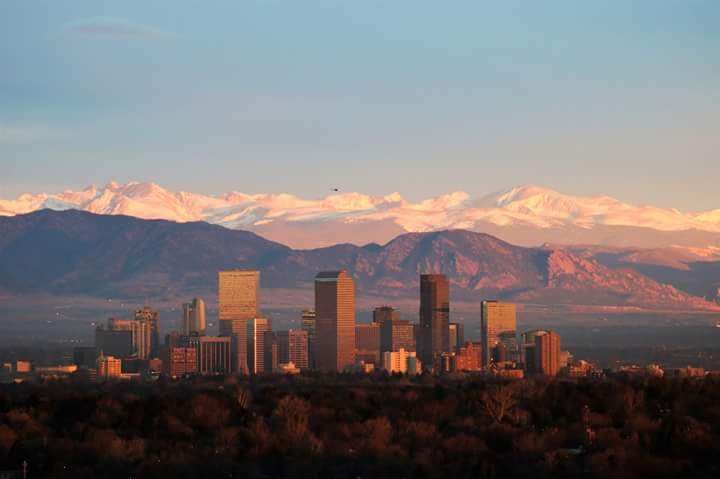
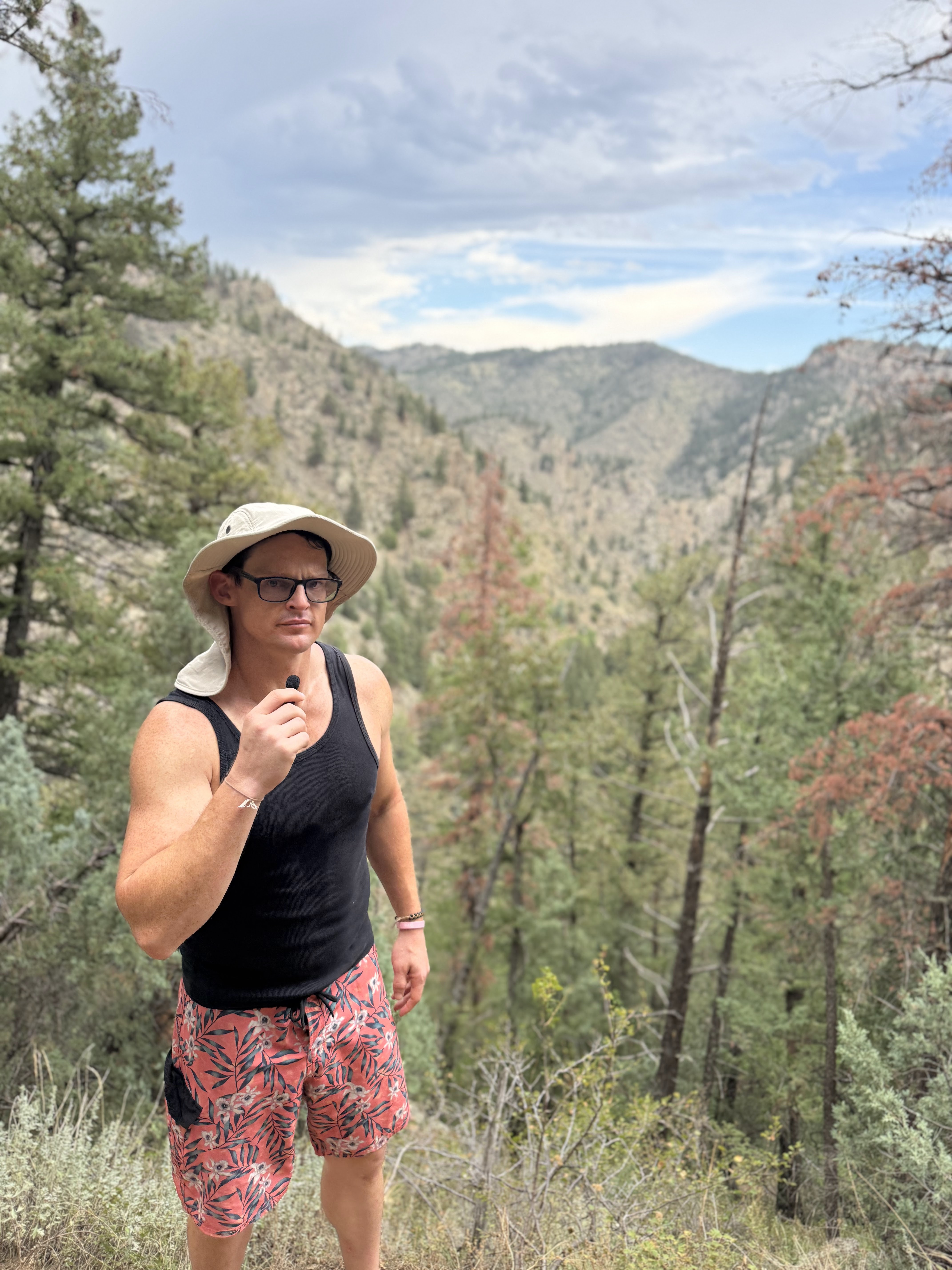

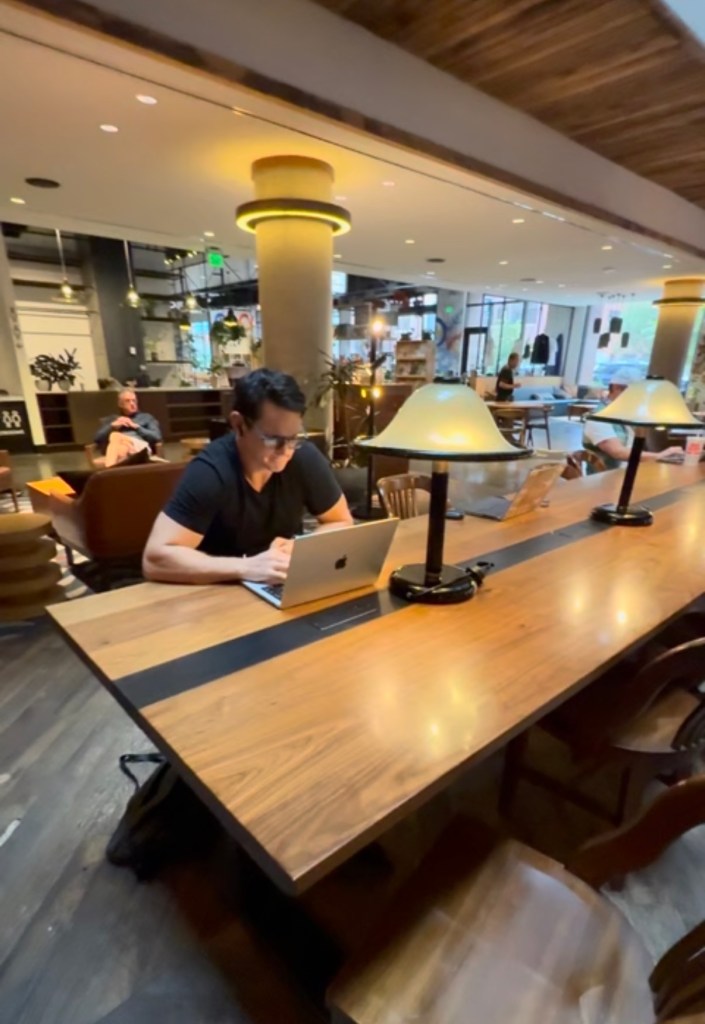

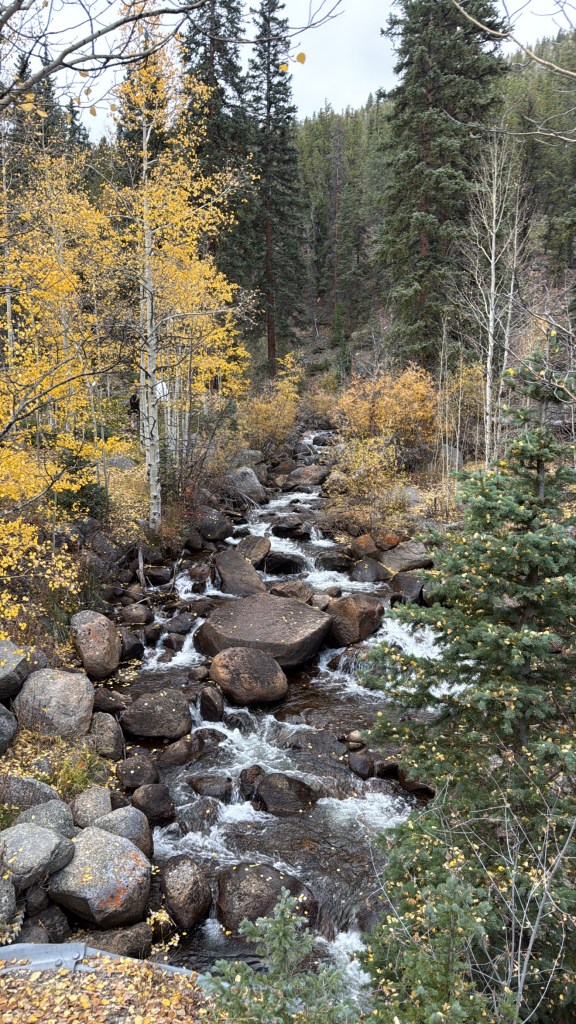


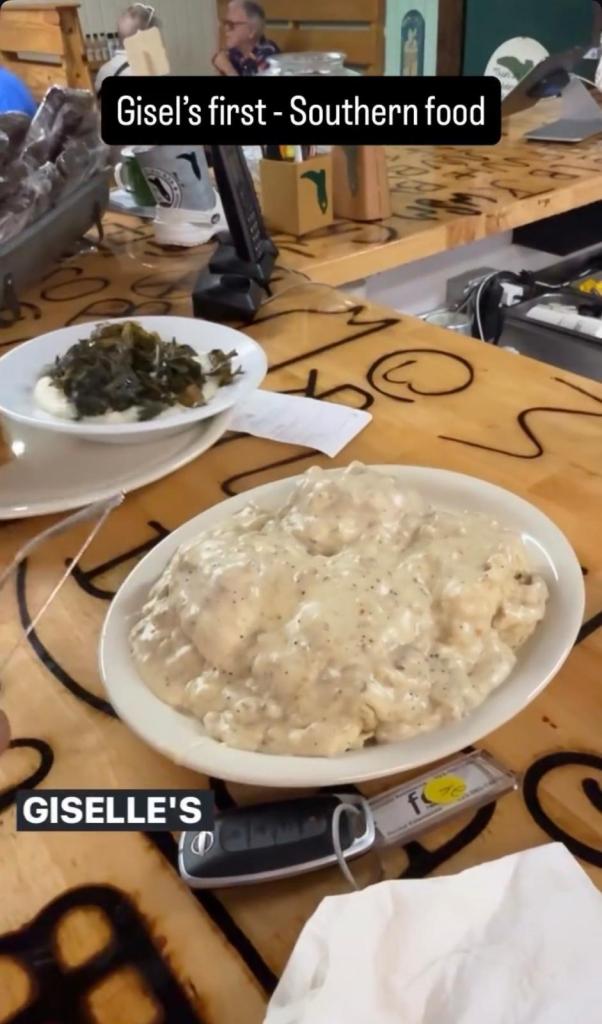

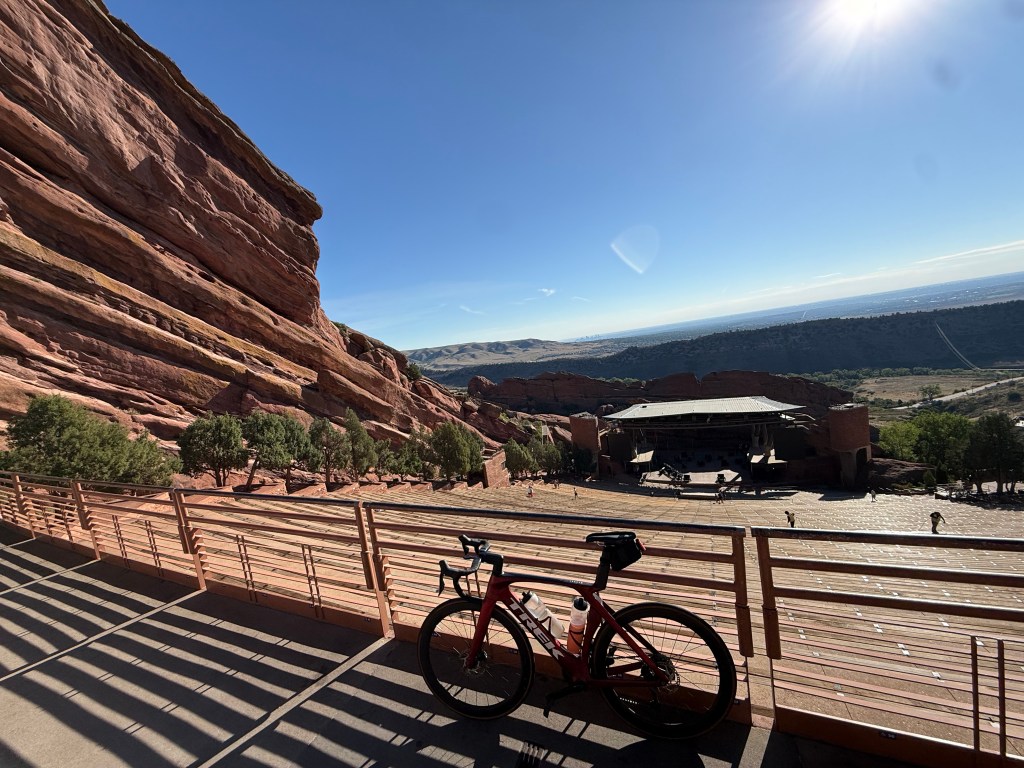
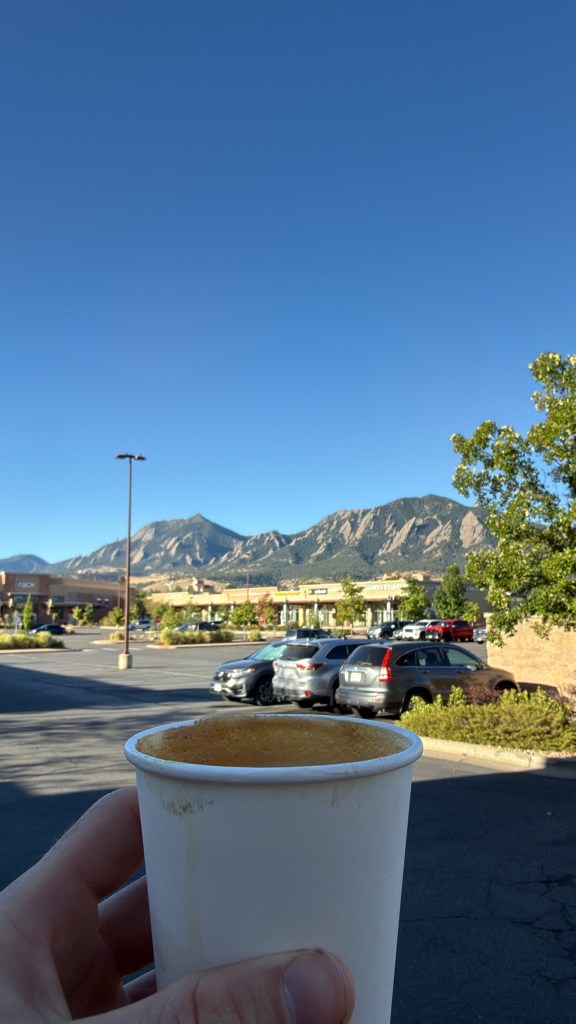
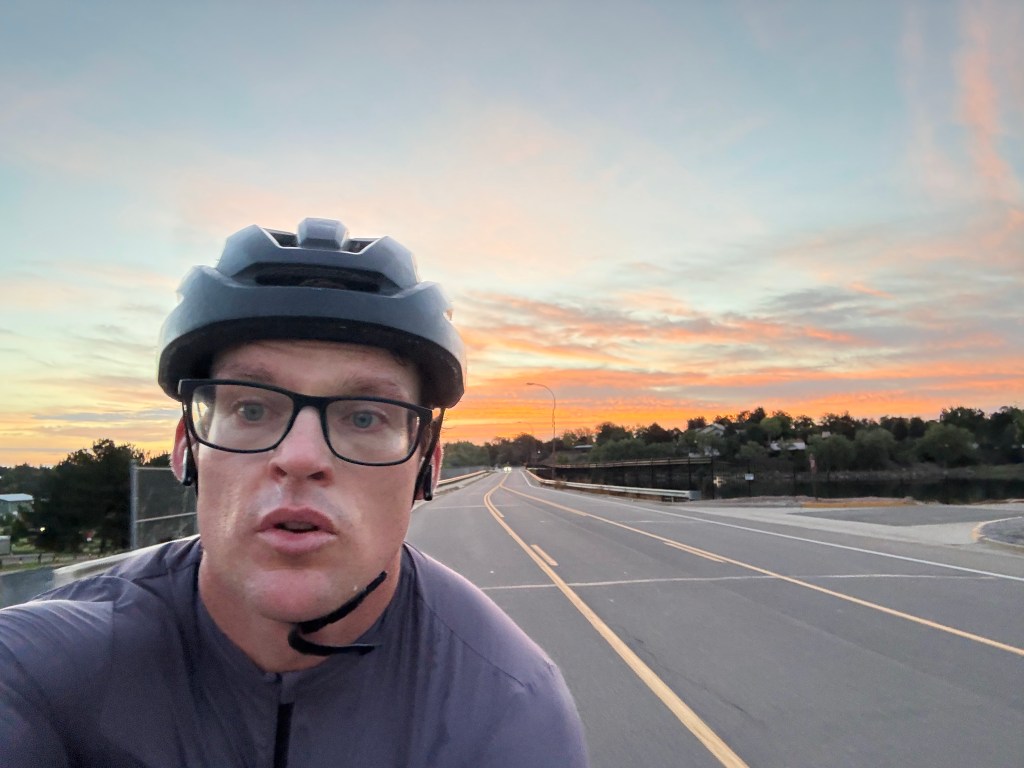
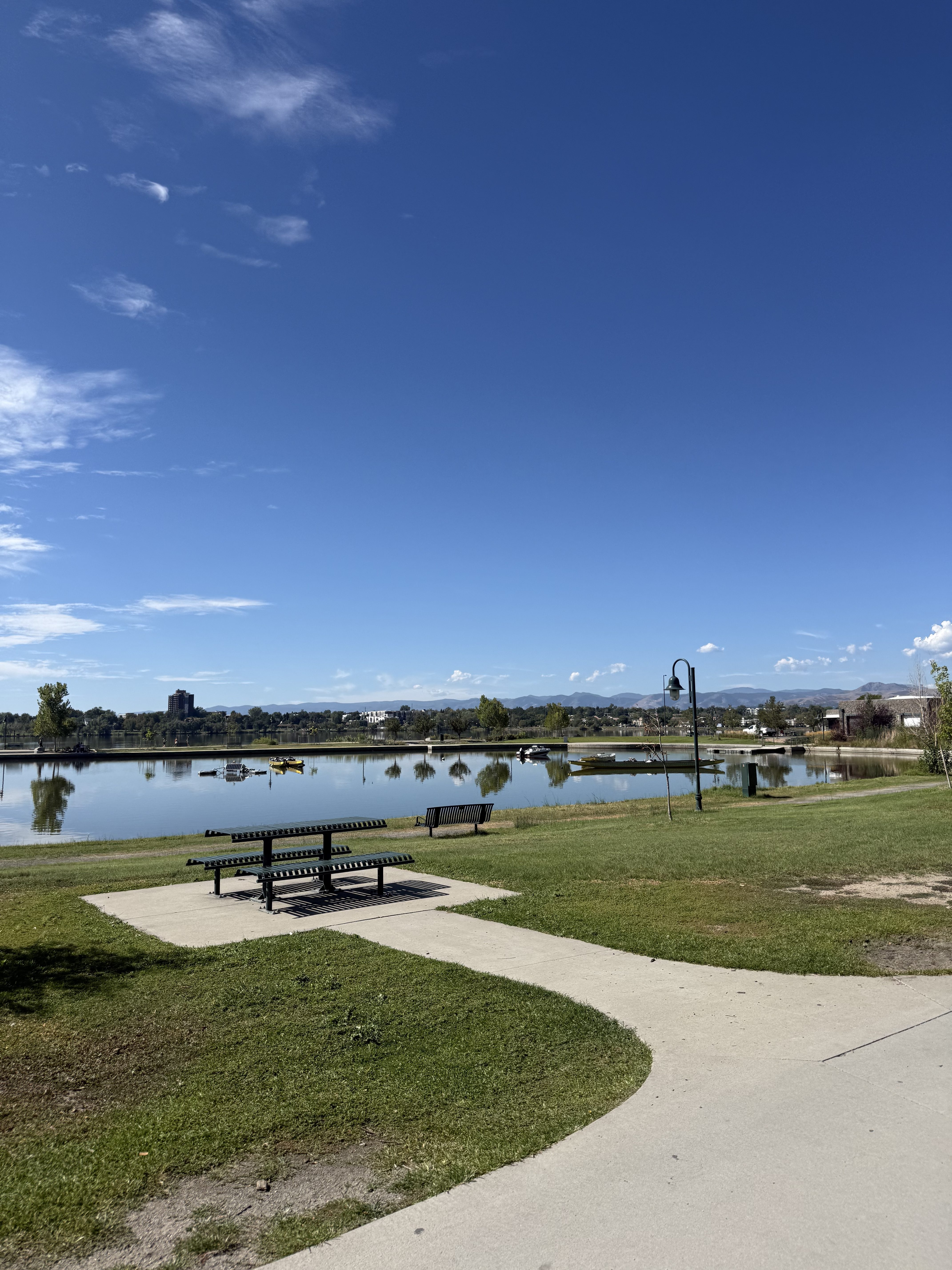


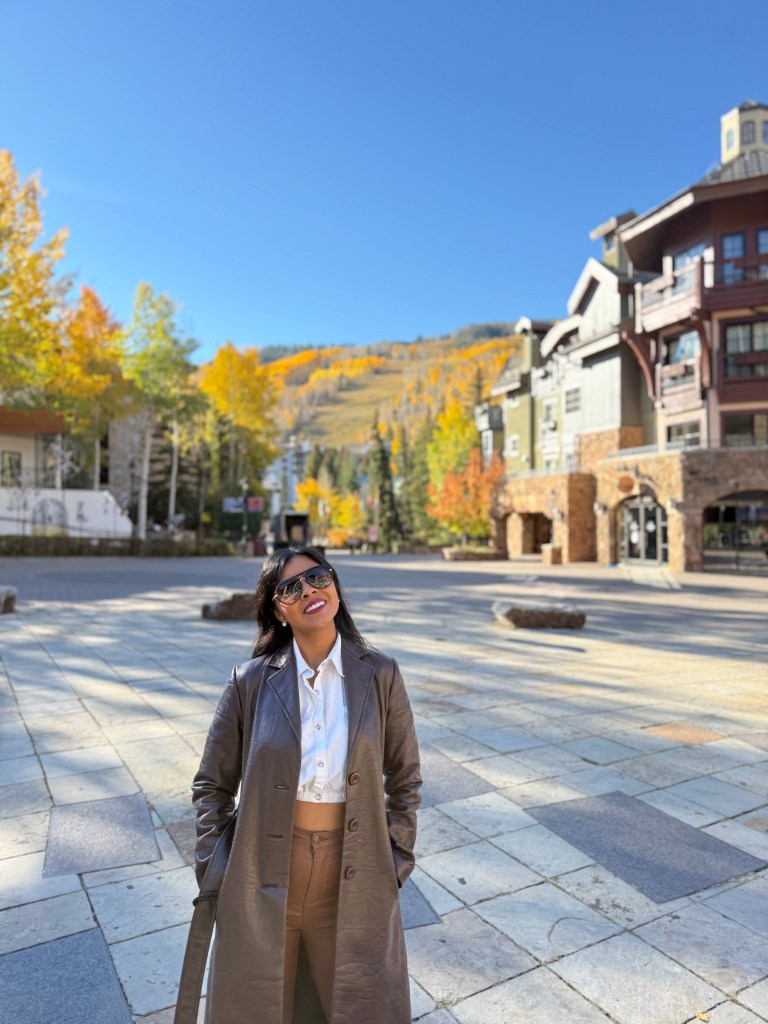
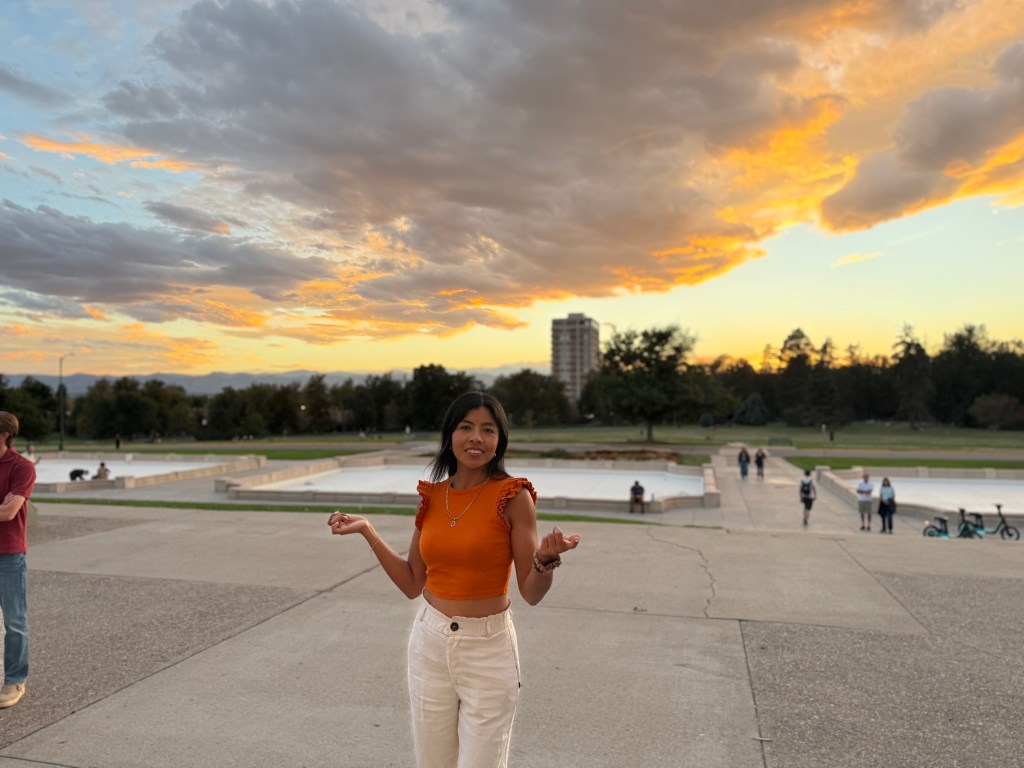
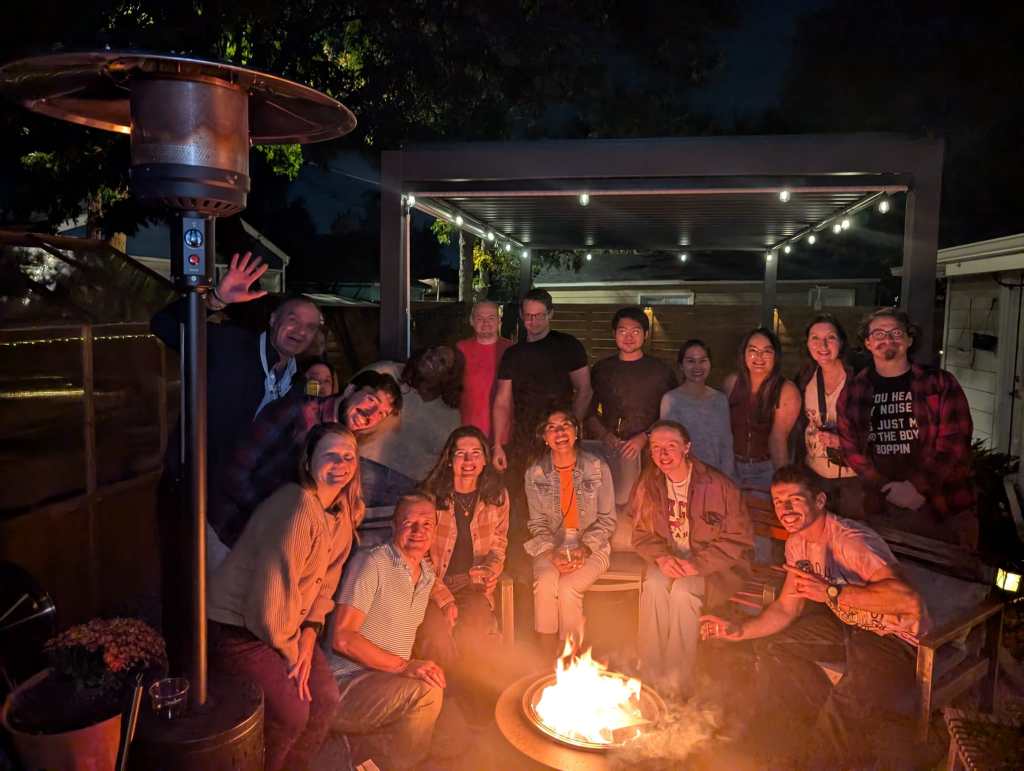


Leave a Comment