
My Story of Becoming A Digital Nomad
I still remember sitting in my car in a parking lot on my lunch break, desperately searching for a way out.
My life felt unbearable.
The worst part – I had nothing to point to.
I had the job title I had wanted for years, had a kickass Audi, I was climbing up the corporate ladder much more quickly than most of my peers.
But I fucking hated it, and I couldn’t pinpoint why.
I listened to motivational talks in my 1.5 drives to the office, thinking motivation was my issue.
There’s nothing wrong with this job, or the office, the problem was me.
I frantically racked my brain in that parking lot for something.
I looked up tickets, if I just dropped everything and left I could start again.
But I knew that wouldn’t work. I had dropped everything and left multiple times in the past and it never worked, learn more about my full story here.
Furthermore, I had struggled too long to build my career over the last 3 years.
Doing digital marketing for free for a restaurant I bartended at for 8 months, just to get an internship.
I had fought hard for every fucking opportunity I was given.
No – I couldn’t just walk away from this opportunity.
As hopeless as I felt in my current situation, I couldn’t throw it all away.
Digital Nomading
I had a coworker I would day dream with and he kept talking about this.
But it was mid 2019, before COVID. You would hear stories of people who pulled this off, but I didn’t know anyone – and I was afraid.
It seemed too perfect for me.
It would be too perfect of a lifestyle for me, I couldn’t dare.
Sure I had already travelled pretty extensively, lived abroad a couple times, taught English in Vietnam (which failed – learn more about that here.)
So I started my car and made my way back to the office.
Like a child threatening to “ran away” only to turn around 2 blocks later and mope back home, I abashedly returned.
To the artificial lighting and cubicle I resented so much.
Then on a Friday, I came in wearing my favorite Hawaiian t-shirt.
A skin-tight monstrosity of vibrant pinks and blues.
My manager took me to the side and said “if you continue to wear that you’re not going to work here anymore.”
And that was the final straw for me.
I didn’t yell at her.
I didn’t blow up, like I had done at so many other jobs.
I took it and went back to my desk.
But that was it.
That was the final straw.
Now I had a tangible reason to leave.
I love this fucking shirt
This is your office – you can tell me what to wear fair enough – but I’m done.
I put in my notice the next week.
I found out that Audi could also be used to do UberEats.
So I rode around doing Uber Eats, listening to 5 Hour Work Week by Tim Ferris.
I fought and networked, and eventually built up my business to the point where I didn’t need to do Uber Eats anymore.
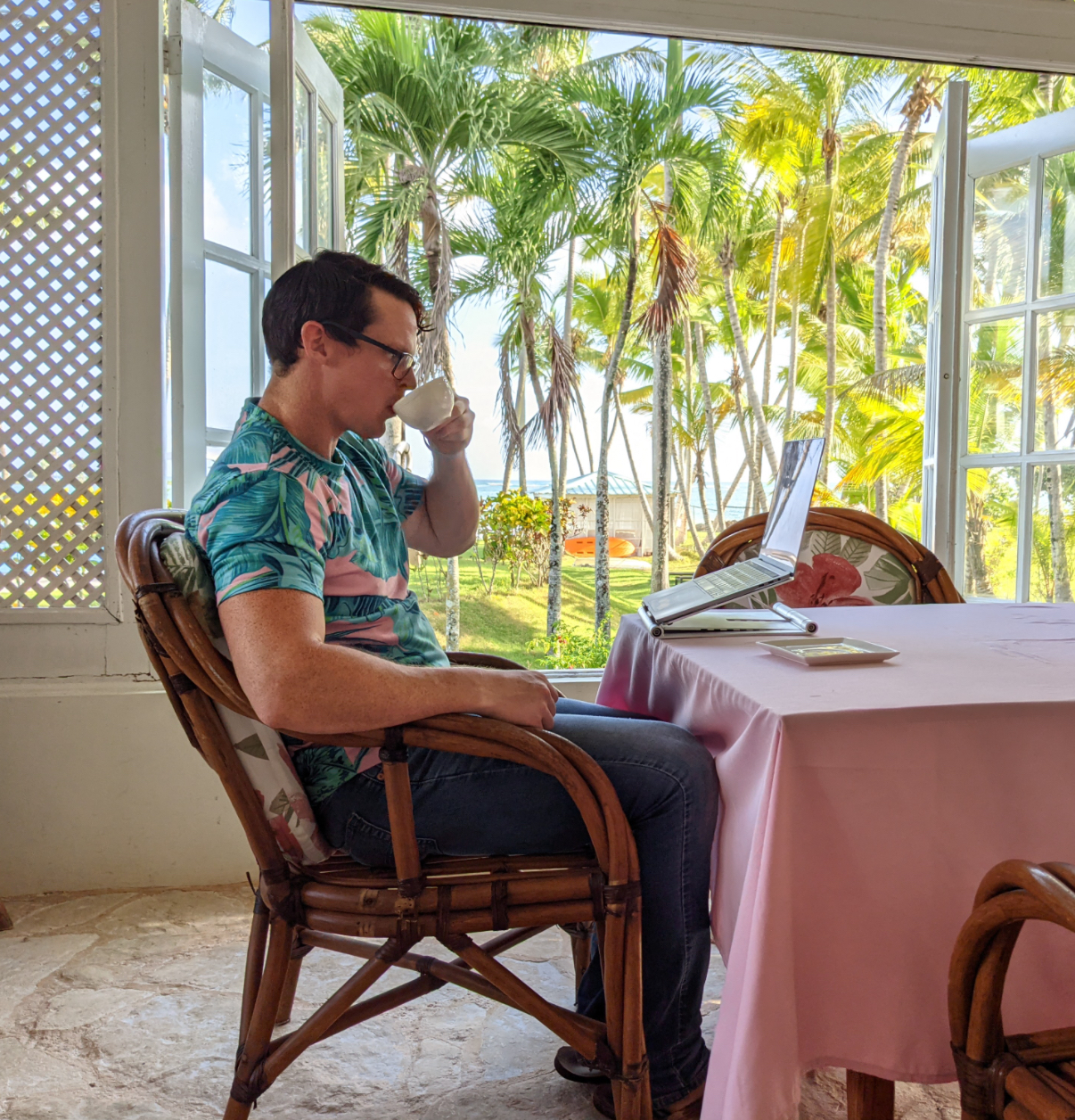
And I will take my life before I sit in traffic to go to an office job again.
I’m Loren Ross, founder of LRoss Marketing Consulting & Digital Nomad Lifestyle.
I’ve worked from coworking spaces in Medellín, tiny cafés in Vietnam, and Airbnbs across Europe.
I’ve dealt with internet (and power) outages, 3 AM client calls, visa problems, and serious loneliness in beautiful places.
This guide gives you the real version of what this lifestyle actually looks like.
What Is the Digital Nomad Lifestyle?
The digital nomad lifestyle means earning your income online while living in different locations around the world. Instead of being tied to one city, you use remote work to:
- Experience new cultures
- Choose climates and time zones that work for you
- Design a life with more freedom and flexibility
- Outrun the voices in your head
But it’s not a permanent vacation.
I tell people all the time
I’m seldom 100% working, but I’m also rarely 100% travelling.
I exist in the tension between the two, and for me that tension keeps my life interesting.
Keeps things from feeling stagnant.
Over 14 years, I’ve seen three main paths:
- Freelancers & Solopreneurs – Writers, designers, developers, consultants. Maximum flexibility, but income can be unpredictable.
- Remote Employees – Full-time staff with “work from anywhere” policies. More stable income, less control over schedule and time zones.
- Entrepreneurs & Business Owners – E-commerce, agencies, online courses, digital products. Harder to build, but can be very rewarding long-term.
Each can work. None are effortless.
The Real Pros and Cons
The Upsides
- Geographic Arbitrage
Earn in a strong currency while living somewhere cheaper. I’ve lived in places like the Dominican Republic for around $1,000/month while earning US-level income.- Pro tip – don’t talk about this in front of local people. You’re essentially boasting about how you’re gentrifying their neighborhood. Keep it to yourself, locals don’t want to hear about how much money you have and how cheap everything is in their hometown. Read my article here about whether digital nomadism is colonialism for more on this.
- Self Reliance
50+ countries will force you to adapt. You become more resilient, self-reliant, and comfortable with uncertainty—skills that will can help you. This is if kept in check – see more on the downsides below. - Self Discipline
If you can grow a career while seeing the world, you’re going to learn a lot about self-discipline. Lots don’t learn, burn-out and return to the suburbs – but for those who can stick it out, it’s a real level-up. See my 5 productivity tips for digital nomads here. - Seldom Boring
Working from beach towns, mountain cities, or buzzing capitals can spark new ideas and make work feel less like “grind, repeat.”- If you’re someone who gets easily bored with jobs and life in general – this lifestyle could suit you well
- If you’re someone who gets easily bored with jobs and life in general – this lifestyle could suit you well
The Downsides
- Loneliness
Deep relationships are harder when you’re always moving. You have to actively build community and look after your mental health.- There is a sweetness to the melancholy of loneliness, which is important to dip into from time to time, but don’t get stuck in it – that shit is dangerous.
- Too Self-Reliant
This plays into the loneliness aspect. You can actually start becoming a bit too isolated and confident in yourself and begin to believe that you don’t need anyone else, which is a lie.- Being able to do whatever you want whenever you want, wherever you want is nice for a few months – but you will get tired of it. If you have a deep desire to explore the world and don’t want to burn out, then you need to recognize your reliance on others, and adapt to other people’s needs (trust me)
- Time Zone Fatigue
Clients in the US, you in Bali? Get ready for 3 AM calls or midnight meetings. It’s doable, but it’s tiring.- Writing this at 7:30pm from Thailand – before my meetings tonight – was up till 2am last night… it’s part of the job man.
- Income Instability
Some months are great. Some aren’t. Most successful nomads build multiple income streams so they’re not relying on a single client, job, or platform.- This is for more advanced folks, when you’re starting out find something you’re good at that you’re getting good reception on and triple down on it, then you can diversify IMO. The entrepreneurs with the least amount of income stability are the ones who start a project do it for a year or two, then quit that to build another one, and so on and so forth.
- This is for more advanced folks, when you’re starting out find something you’re good at that you’re getting good reception on and triple down on it, then you can diversify IMO. The entrepreneurs with the least amount of income stability are the ones who start a project do it for a year or two, then quit that to build another one, and so on and so forth.
For a deeper dive, see my full pros and cons guide.
Skills You Actually Need
You don’t need to be a genius or a programmer, but you do need a few non-negotiables:
- Self-Discipline – No boss, no office, no one checking if you’re online. You’re responsible for your own output.
- You may not be a master at this, I certainly am not – but you will get better and you do need some of this to get going.
- Tip – best way to learn anything is to do it. Put yourself in a situation where you have no other choice but to be self-disciplined.
- Basic Tech Confidence – Using online tools, troubleshooting WiFi issues, managing files in the cloud / Google Drive.
- Adaptability – New languages, currencies, and systems are constant. If you hate change, this will be rough.
- This stuff can overwhelm me, but it’s generally quite stimulating – while you can learn this, I believe this is something that’s a bit more baked into your personality – be honest with yourself, do you really like that much changing? If not, then you can always take the slowmad approach.
From 14 years on the road, these skills matter most:
- Internet Management
Learn how to check speeds, choose reliable areas, and use backups. Here’s my guide on getting fast WiFi anywhere. - Time Management
You need a structure that works without an office. I use time-blocking and location-based routines plus these remote productivity tips. - Financial Discipline
I recommend 3 – 6 months of savings at all times, unless in life or death situations. That buffer lets you make smart choices, not desperate ones.- For most people you will have to take a step back in lifestyle when starting your new career. For young people out there – if you’re in a job you hate, don’t buy a fucking car you can barely afford, don’t buy a house you can barely afford, the less debt you have the more freedom you have to make a career switch down the road.
How Digital Nomads Actually Make Money
Forget the “earn six figures in 90 days” noise. Most sustainable nomad careers fall into a few buckets:
Remote Jobs
- Tech roles (engineering, product, UX)
- Digital marketing, content, growth roles
- Sales and customer success
These usually offer the most stability and benefits while still letting you travel.
Freelancing & Consulting
- Specialized writing, design, dev, strategy
- Niche consulting based on your previous career
The more specialized and valuable your skill, the more realistic it is to earn $50k+ as a nomad.
Entrepreneurship & Digital Products
- E-commerce
- Online courses or memberships
- Affiliate marketing and digital products
These take time to build but can become more passive over time.
Get success in one area, then use that money to invest in other income streams, preferably ones that you really enjoy and would want to work on anyway.For more detail, check out my breakdown ofhigh-paying digital nomad jobs.
Best Digital Nomad Destinations (From 50+ Countries)
Shortlist from my own experience:
- Bali (Canggu/Ubud) – Big nomad scene, decent internet, lots of cafés and coworking. Crowded and touristy, but great if you want community.
- Chiang Mai, Thailand – Affordable, reliable internet, easy to meet other nomads. Ideal for budget-conscious beginners.
- Cape Town, South Africa – A great introduction to sub saharan Africa for Americans / Europeans, like Medellin – need to be a bit more careful here – but it’s beautiful.
- Lisbon, Portugal – Beautiful, creative, international. Costs have risen but still a solid European base.
- Medellín, Colombia – “Eternal spring” weather, growing nomad scene, affordable if you’re smart about safety.
If you want a more detailed comparison, see my guides toSoutheast Asia on a budget and thebest cities in Europe for digital nomads.
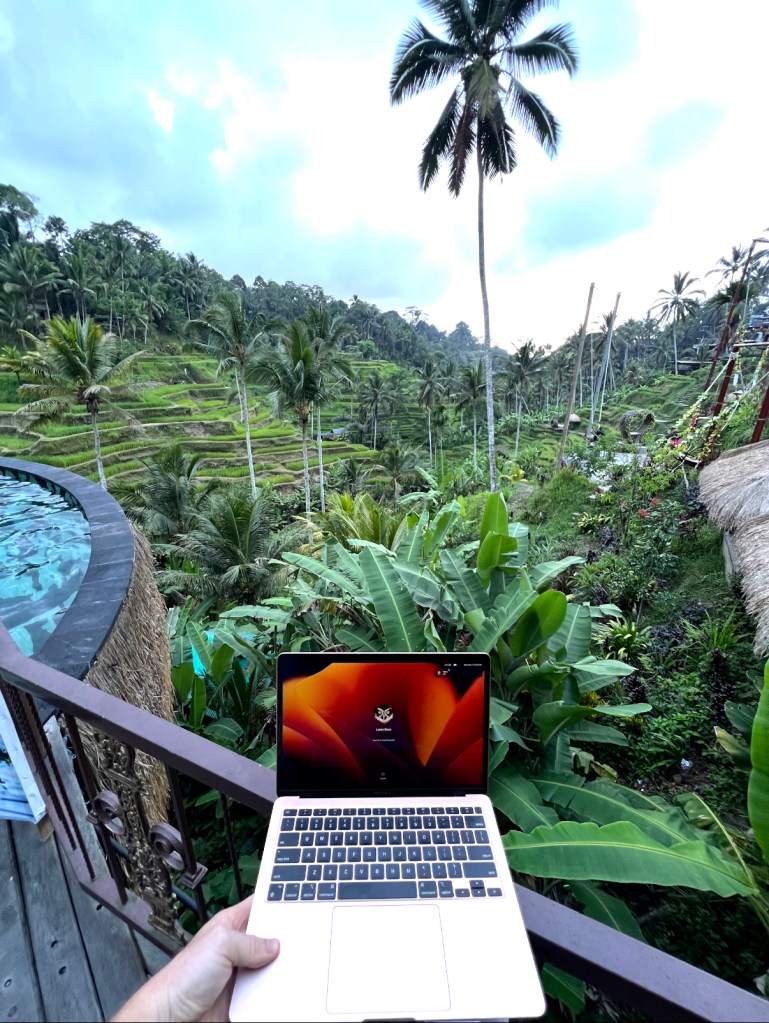
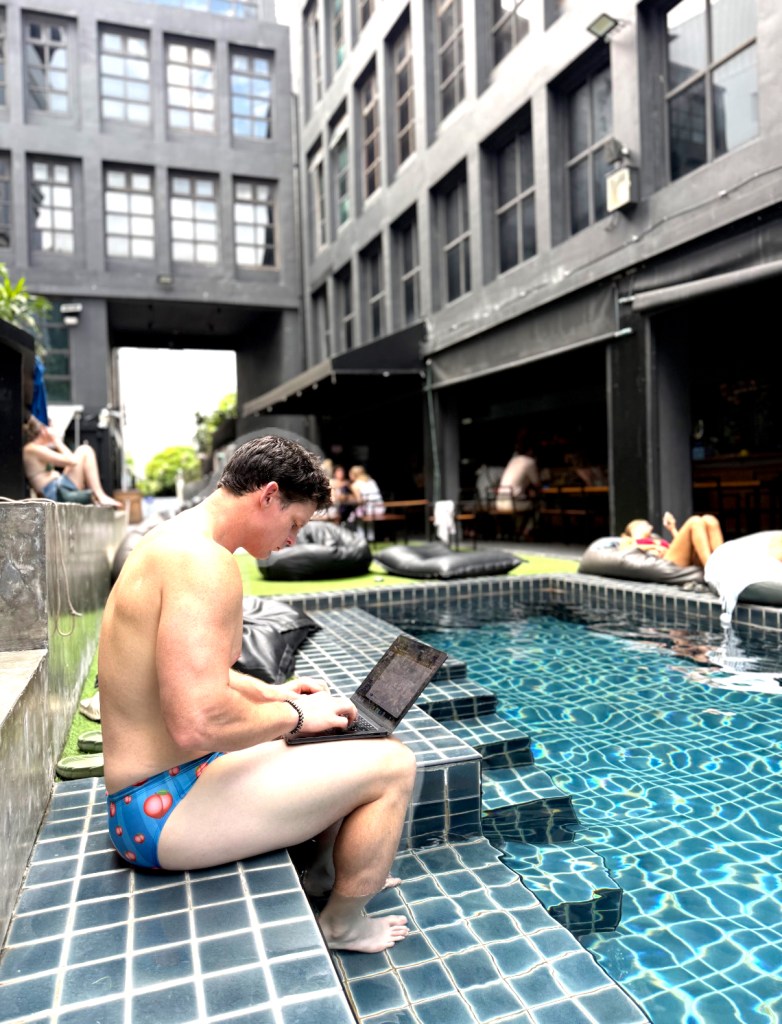
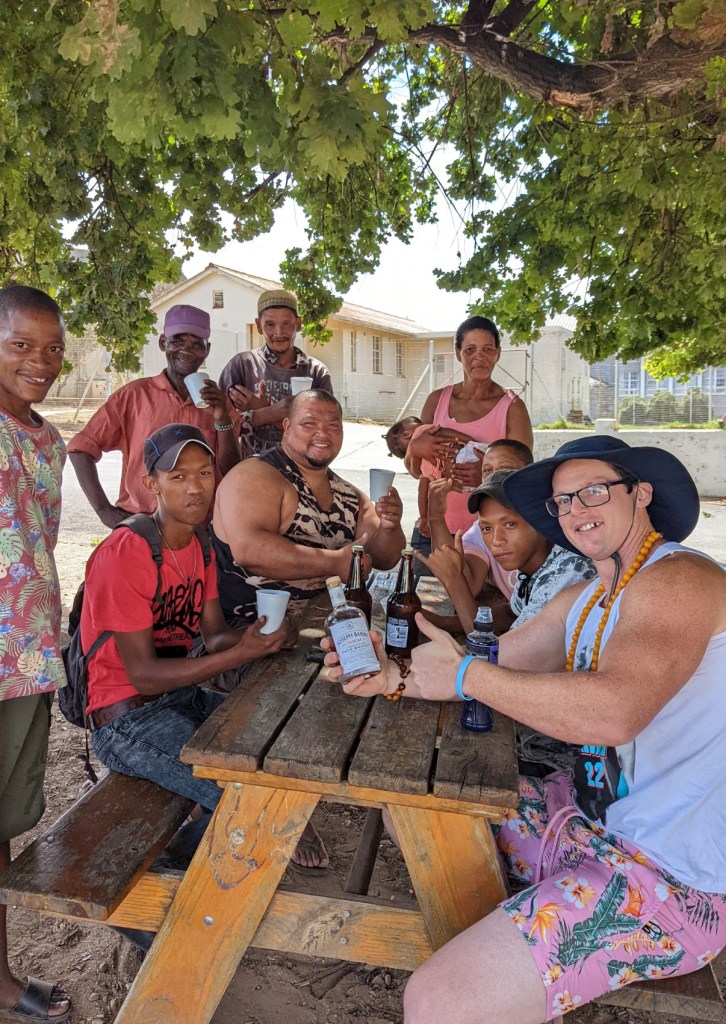
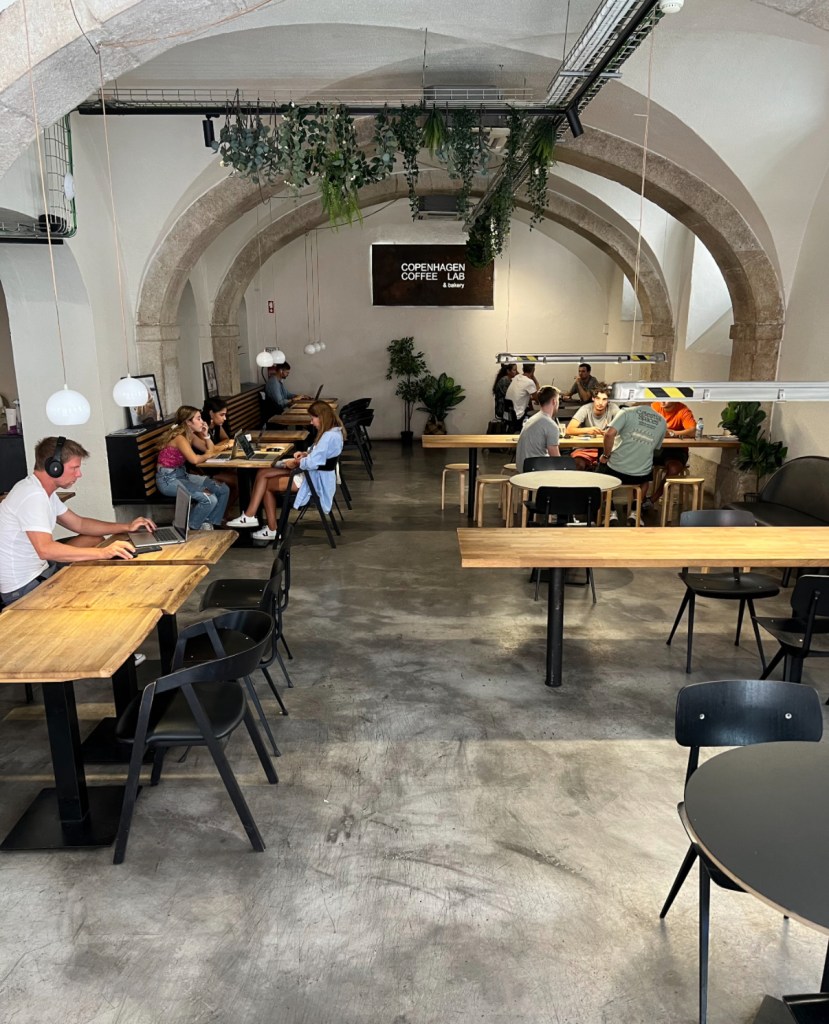

A glimpse of my digital nomad life, one memory from every country on this journey.
Best Digital Nomad Destinations (From 50+ Countries)
Mental Health & Lifestyle Reality
Most digital nomad content skips this part. You shouldn’t.
Common struggles:
- Decision fatigue (where to go, live, work next)
- FOMO and comparison from social media
- Missing home, family, and a stable “base”
What helps:
- Routines – Simple daily anchors (morning routine, journaling, set work hours) in every city.
- Longer Stays – 3–6 months in each place makes it easier to build real connections.
- Support Systems – Regular calls with people who know you offline are the best. If you can’t do that then a coach or therapist, or online support groups that meet regularly.
- It’s 2025, moving to a new place doesn’t mean you need to abandon your family and friends back home, you can still stay in contact. My girlfriend talks to her family 3 – 5x a week regardless of what part of the world we’re in.
- It’s 2025, moving to a new place doesn’t mean you need to abandon your family and friends back home, you can still stay in contact. My girlfriend talks to her family 3 – 5x a week regardless of what part of the world we’re in.
I go deeper on this in my guide toloneliness and mental health as a digital nomad.
A Realistic Transition Plan
You don’t need to quit your job tomorrow and fly to Bali. In fact, I recommend the opposite. Here’s a simple 12-month roadmap:
- Learn or sharpen a remote-friendly skill.
- Start freelancing or negotiate partial remote work.
- Save 3–6 months of living expenses.
- Test remote work at home or cafés.
- Try a short 2–3 week trip.
- Increase income from remote work or freelancing.
- Set up basic systems: invoicing, project management, backups.
- Research visas and choose your first realistic destination.
- Take a 2–4 week “trial trip”.
- Work full-time from the road.
- Adjust routines and tools based on what breaks.
- Commit to your first 2–3 destinations.
- Keep expenses conservative at the beginning.
- Prioritize income stability.
For a more detailed version, read my step-by-step guide on how to become a digital nomad.
This is the best way to do it looking back – but I didn’t follow any of those rules really. I just jumped – for some people that’s the best way to do it.
So: Is the Digital Nomad Lifestyle Worth It?
For me, yes.
This lifestyle has given me:
- Freedom to design my days
- Experiences across 50+ countries
- Skills, resilience, and perspective I never would have built in a cubicle
But it’s also meant:
- Lonely nights in beautiful places
- Client emergencies at 3 AM
- Constant decisions about visas, money, flights, and logistics
The digital nomad lifestyle isn’t an escape from work. It’s a different way of combining work, life, and growth. It’s incredible if you value freedom and are willing to trade comfort and predictability for it.
FAQs About the Digital Nomad Lifestyle
FAQs About the Digital Nomad Lifestyle
If you’re seriously considering this path, start with realistic expectations. Read the full pros and cons, build your skills, and give yourself enough time (and savings) to experiment properly.
But most importantly, fucking do it man – it’s never going to be the perfect time.For more honest insights, tools, and stories from the road, you can follow along at @officialdigitalnomadlifestyle on Instagram and YouTube.