
Published Date: March 17, 2026
Published By: Loren Ross
Thailand has been the unofficial capital of digital nomadism for over a decade, and for good reason. The combination of world-class infrastructure, rock-bottom costs, incredible food, and a massive international community makes it nearly impossible to beat. Whether you’re building a startup, freelancing, or running an e-commerce business — Thailand gives you the environment to thrive without burning through your savings.
Get a sneak peek at WiFi speeds you won’t find anywhere else
We’ll email our real speed notes from places we’ve actually stayed.
Digital Nomad FAQ’s
Is Thailand a good country for digital nomads?
Yes, Thailand is one of the best countries in the world for digital nomads. It offers fast and reliable WiFi, an incredibly low cost of living, world-class food, excellent healthcare, vibrant coworking spaces, and one of the largest digital nomad communities globally. Cities like Chiang Mai, Bangkok, and islands like Koh Tao all cater specifically to remote workers.
How is the internet connectivity and speed in Thailand?
Thailand has excellent internet infrastructure. Average speeds range from 30-100+ Mbps in most cities, with many coworking spaces and cafes offering 100-200+ Mbps. 5G coverage is expanding rapidly in Bangkok and major cities. Even on islands like Koh Tao, you can find reliable 30-50 Mbps connections.
Is it easy to meet people and make friends in Thailand?
Extremely easy. Thailand has one of the most active digital nomad communities in the world. Chiang Mai alone has dozens of weekly meetups, coworking events, and social gatherings. Bangkok, Koh Phangan, and Koh Tao also have strong communities. Platforms like Meetup, Facebook groups, and coworking spaces make it simple to connect.
How much should I budget for a month in Thailand?
A comfortable digital nomad lifestyle in Thailand costs $1,000-$1,800/month. This includes a private apartment ($300-600), food ($200-400), coworking ($100-150), transport ($50-100), and entertainment. Budget nomads can live on $800/month, while those wanting luxury might spend $2,500+.
Are there lots of places to work from in Thailand?
Thailand is packed with work-friendly spots. From dedicated coworking spaces like Punspace and CAMP in Chiang Mai, to hundreds of laptop-friendly cafes with fast WiFi across the country. Most cafes welcome remote workers, and many hotels and hostels now offer coworking areas. You’ll never struggle to find a place to open your laptop.
🇹🇭 thailand for Digital Nomads
If there’s one country that practically invented the digital nomad lifestyle, it’s Thailand. I’m not exaggerating — long before “remote work” was a buzzword, freelancers and location-independent entrepreneurs were already setting up shop in Chiang Mai cafes, sipping 40-baht iced coffees, and building businesses on some of the fastest WiFi in Southeast Asia.
Thailand just works. The cost of living is absurdly low compared to the West. The food is world-class (and costs less than your morning Starbucks back home). The internet is fast, reliable, and available literally everywhere — from rooftop coworking spaces in Bangkok to beachfront cafes in Koh Tao. And the infrastructure? Thailand isn’t a developing country figuring it out. It’s a well-oiled machine with modern transit, excellent healthcare, and a culture that genuinely welcomes foreigners.
But here’s what really sets Thailand apart: the community. This isn’t a place where you’ll feel like a lonely expat. Thailand has one of the most established, active, and welcoming digital nomad communities in the world. Whether you’re a solo founder, a freelance designer, a content creator, or a developer working async — you’ll find your people here in about 48 hours.
I’ve spent months living and working across this country — from the mountains of Chiang Mai to the chaos of Bangkok to the islands down south. This guide is everything I’ve learned, everything I wish someone had told me before I arrived, and everything you need to make Thailand your next (or first) home as a digital nomad.
🇹🇭 Thailand Visa Options for Digital Nomads
The visa information below may not be up to date information, nor should be used as visa advice for people working while abroad. We do not claim that you can work legally with a visitor visa or any other visa in this country or any other country in the world. As always, you will need to refer to your embassy for the latest information. We at Digital Nomad Lifestyle believe in the heavenly mandate granted to each government of every modern nation, and thus the laws and regulations therein. Therefore rules outlined by the almighty state should be followed unwaveringly and without question. In Government We Trust – Digital Nomad Lifestyle
‼️ Thailand does not have a simple, fully accessible digital nomad visa for most travelers. Most digital nomads stay using tourist visas or alternative long-term visa options. ‼️
💡 Important: Thailand has introduced systems like the Thailand Arrival Card (TAC), which you may need to complete before entering the country. While the process is generally straightforward, entry requirements can change and sometimes cause confusion or delays depending on how you enter (air vs land).
| Visa Type | Duration | Cost | Best For |
|---|---|---|---|
| Visa-Exempt Entry | 60 days + 30 day extension | Free (1,900 THB extension) | Short stays & first-timers |
| Tourist Visa (TR) | 60 days + 30 day extension | ~$40 USD | Planned longer stays |
| Destination Thailand Visa (DTV) | 180 days + 180 day extension | 10,000 THB (~$275) | Serious digital nomads |
| Thailand Elite Visa | 5-20 years | 600,000+ THB (~$17,000+) | Long-term residents / VIP |
✈️ Personal Experience: I’ve entered Thailand multiple times within a short period, and overall the process has been smooth. When arriving by air, I simply filled out the required arrival form before immigration and received confirmation without any issues.
However, crossing by land (for example from Laos) can be slightly slower, as officers may check your details more carefully. It’s still manageable — just expect a bit more time.
⚠️ Important Tip: The 60-day visa-exempt entry is FREE. Be careful with third-party websites that try to charge you for this — always use official sources to avoid scams.
🇹🇭 Cost of Living in Thailand for Digital Nomads
This is where Thailand truly shines. Your money goes incredibly far here. Below is a realistic monthly budget breakdown based on my personal experience living in various cities across Thailand:
For context, a street food pad thai costs about 50-80 THB ($1.50-2.30), a craft beer at a rooftop bar runs 200-300 THB ($6-9), and a Thai massage is 200-400 THB ($6-12). Your money stretches incredibly far here.
💡 Extra Costs to Consider
Beyond rent and food, most digital nomads in Thailand also budget for a few practical essentials.
If you’re staying long-term, international health insurance is a common choice among remote workers — especially for peace of mind when accessing private hospitals and clinics.
For internet reliability, Thailand generally has strong connectivity. However, many nomads still carry a portable hotspot as a backup when traveling between cities or working from less consistent locations. In more remote areas or islands, some also rely on satellite internet for added stability.
They’re not mandatory — but they’re tools many digital nomads use for flexibility and peace of mind.
🇹🇭 Thailand’s Climate: When to Go
Thailand’s climate varies by region, but it’s warm year-round. Here’s a quick breakdown to help you plan your trip:
Pro tip: The “cool” season (Nov-Feb) is the sweet spot for most nomads — comfortable temperatures, minimal rain, and the best beach weather. But rainy season is underrated: prices drop, tourist crowds disappear, and the rain is usually just a 1-2 hour afternoon burst.
If you’re thinking about traveling to specific places in Thailand, here are three full guides to give you a better feel for each destination: Bangkok, Chiang Mai, and Koh Tao.
🇹🇭 Best Cities in Thailand for Digital Nomads
Bangkok
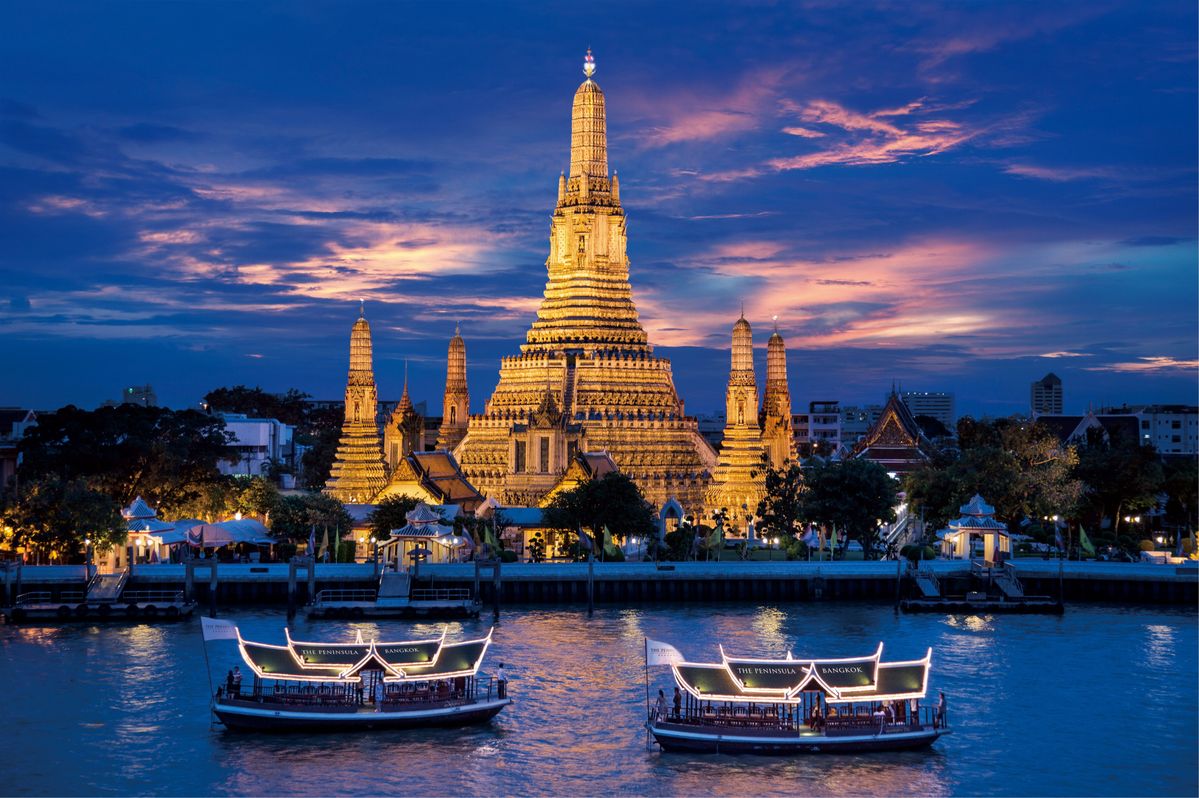
Bangkok is organized chaos at its finest. The capital offers world-class coworking spaces, a massive international community, incredible street food, and some of the best nightlife in Asia. The BTS Skytrain and MRT make getting around easy, and you’ll find everything from luxury rooftop bars to $1 pad thai within walking distance.
Best neighborhoods for nomads: Silom/Sathorn (business district vibes), Thonglor/Ekkamai (trendy cafes, young crowd), Ari (local feel, quiet streets), Bang Rak/Charoen Krung (artsy, creative scene).
Average monthly cost: $1,200-2,000 (mid-range lifestyle)
Koh Tao
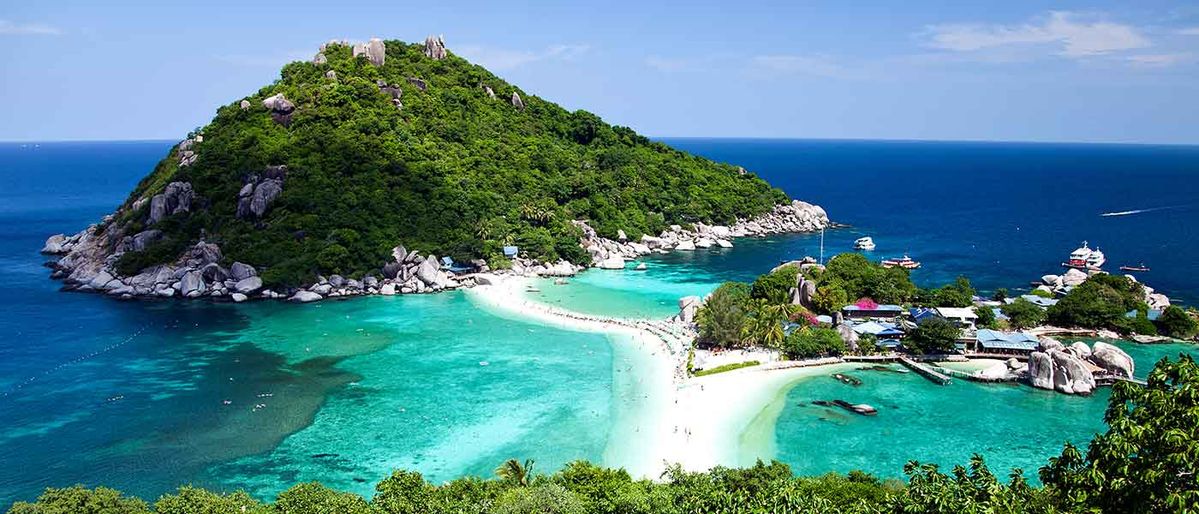
Koh Tao is a small island in the Gulf of Thailand, known for its laid-back atmosphere, beautiful beaches, and world-class diving. It’s increasingly popular among digital nomads who want the beach lifestyle without the party scene of Koh Phangan.
Since it’s an island, WiFi can be a bit unpredictable at times. While many cafes offer decent speeds, you may occasionally experience instability depending on the area and time of day. If you want a deeper breakdown of real internet performance, learn more about what we experienced here → Koh Tao The Complete Digital Nomad Guide
Average monthly cost: $900–1,400 (mid-range lifestyle)
Get a sneak peek at real WiFi speeds in Koh Tao you won’t find anywhere else. We’ll email our real speed notes from places we’ve actually stayed.
Chiang Mai

Chiang Mai is the OG digital nomad hub. It’s been attracting remote workers since before “digital nomad” was even a term. The Old City is surrounded by ancient temples, the mountains provide a cooler climate, and the cost of living is some of the lowest in Thailand. You’ll find more coworking spaces per square kilometer here than almost anywhere else on earth.
Average monthly cost: $800-1,300 (mid-range lifestyle)
hidden gems 💎
Beyond the big three, Thailand has several underrated cities that deserve attention:
🇹🇭 Internet in Thailand: WiFi Speeds & Connectivity
Thailand’s internet infrastructure is excellent and continues to improve rapidly. Here’s what you can expect across different types of workspaces:
For backup connectivity, I always recommend carrying a portable WiFi device. Solis WiFi Hotspot and Starlink Mini are both excellent options for nomads who need guaranteed connectivity.
SIM Cards & Mobile Data
Getting connected in Thailand is dead simple. Pick up a SIM card at the airport from AIS, TrueMove H, or DTAC. Unlimited data plans cost 300-600 THB/month ($9-17). AIS has the best coverage nationwide, TrueMove is great in cities. 5G is available in Bangkok and major cities. You can also buy eSIMs before arriving.
Get a sneak peek at WiFi speeds you won’t find anywhere else
We’ll email our real speed notes from places we’ve actually stayed.
🇹🇭 Where to Stay in Thailand as a Digital Nomad
Thailand offers incredible variety in accommodation. From budget hostels to boutique hotels, here are places we have personally stayed and tested WiFi at:
🏨 Hotels
🛏️ Hostels
💻 Coworking Spaces
🏠 Coliving Spaces
Browse all Thailand coliving options at coliving.com/thailand
Find Accommodation Near You
🇹🇭 Best Cafes & Coworking Spaces in Thailand
We personally tested WiFi speeds at every single one of these spots. Here are the real numbers — no guesswork, no marketing claims.
Bangkok Cafes
Chiang Mai Cafes
Koh Tao & Khao Sok Cafes
🇹🇭 Getting Around Thailand
🇹🇭 Language in Thailand
Thai is the official language, but you can get by with English in tourist areas and major cities. Learning a few Thai phrases will earn you massive respect from locals and make your daily life much smoother. Here are the essentials:
Pro tip: Add “krap” (male) or “ka” (female) at the end of sentences for politeness. “Khob khun krap/ka” = Thank you (polite).
🇹🇭 Fitness & Staying Active in Thailand
Staying fit in Thailand is easy and affordable. The fitness scene is massive, especially in Bangkok and Chiang Mai:
Join the local community:
🇹🇭 Digital Nomad Community in Thailand
Thailand has arguably the strongest digital nomad community in the world. Here’s how to connect:
- Chiang Mai Nomad Coffee (weekly)
- Bangkok Digital Nomad Meetup
- Nomad Summit (annual conference)
- Coworking space community events
- Nomad List – Bangkok
- Nomad List – Chiang Mai
- Reddit r/digitalnomad
- Discord nomad communities
🇹🇭 Is Thailand Safe for Digital Nomads?
Thailand is generally very safe for digital nomads and travelers. Violent crime against foreigners is extremely rare. The main things to watch out for are petty theft (keep an eye on your belongings in crowded areas), motorbike accidents (wear a helmet, always), and common tourist scams (tuk-tuk “tours,” gem shops, inflated taxi meters).
One story that perfectly captures the Thai spirit: I once left my wallet at a street food stall in Bangkok with about 3,000 THB inside. I came back 20 minutes later, fully expecting it to be gone — and the vendor had kept it safe for me. She handed it back with a huge smile and wouldn’t accept a reward. That kind of honesty and kindness is genuinely common here.
Safety tips: Use Grab instead of unmarked taxis. Get travel insurance. Always wear a helmet on motorbikes. Don’t leave valuables on the beach. Be respectful of the monarchy and Buddhist religion — it’s the law.
🇹🇭 Spirituality & Mindfulness in Thailand
Thailand is a deeply spiritual country — 95% Buddhist — and that energy permeates everything. It’s impossible to live here without being touched by the culture of mindfulness, meditation, and inner peace. Temples (wats) are everywhere, monks walk the streets at dawn collecting alms, and meditation retreats are accessible and affordable.
I spent 10 days at a silent meditation retreat in northern Thailand and it completely changed my perspective. No phones, no talking, no eye contact — just you and your thoughts. It’s not for everyone, but if you’re open to it, Thailand offers some of the most authentic meditation experiences in the world.
Popular retreats include Wat Suan Mokkh (Surat Thani), Wat Pa Nanachat (Ubon Ratchathani), and various centers in Chiang Mai. Many are donation-based. For a curated list of spiritual experiences, check out fivethousandyears.org.
🇹🇭 Thai Massage, Saunas & Recovery
🇹🇭 Healthcare in Thailand
I’ve had to use healthcare services in Thailand on several occasions, and I’ve always been impressed by the quality and affordability. Thai hospitals — especially private ones like Bumrungrad in Bangkok and Chiang Mai Ram — are world-class. Many Thai doctors trained in the US or UK and speak excellent English. Thailand is actually a top destination for medical tourism, which tells you everything about the quality of care.
A general doctor visit costs 500-1,500 THB ($15-43), dental cleaning 800-2,000 THB ($23-58), and even a full MRI scan runs about 8,000-15,000 THB ($230-430) — a fraction of US prices. Pharmacies are everywhere, and many medications that require a prescription back home are available over the counter here.
That said, you absolutely need travel/health insurance. I recommend Genki World Insurance — it’s designed specifically for digital nomads and covers you worldwide. Key benefits:
- Worldwide coverage including Thailand
- Monthly subscription — cancel anytime
- Covers emergency medical, hospitalization, dental
- Includes mental health coverage
- Repatriation coverage included
- Starting from ~$35/month
🇹🇭 Pros & Cons of Being a Digital Nomad in Thailand
- Incredibly low cost of living — live well on $1,000-1,500/mo
- World-class food — cheap, delicious, and everywhere
- Fast & reliable internet — 50-200+ Mbps widely available
- Huge nomad community — the largest in Asia
- Excellent healthcare — affordable, high-quality hospitals
- DTV visa — finally a proper digital nomad visa
- Amazing weather — warm year-round
- Rich culture — temples, festivals, Thai boxing
- Easy to travel around — cheap flights, trains, buses
- Incredibly friendly people — the Land of Smiles
- Extreme heat — Mar-May can be brutal (35-40°C)
- Language barrier — outside tourist areas, English is limited
- Visa complexity — rules change frequently
- Air quality — burning season (Feb-Apr) in the north
- Traffic — Bangkok traffic is legendary (and not in a good way)
- Scams — tourist-area scams are common (tuk-tuks, gems)
- Motorbike danger — road safety isn’t great
- Humidity — your clothes will always feel slightly damp
- Distance from West — long flights to US/Europe
- Partying culture — can be distracting in some areas
🇹🇭 Final Thoughts: Thailand as a Digital Nomad
Thailand isn’t just a good destination for digital nomads — it’s the blueprint. This country basically invented the digital nomad lifestyle as we know it, and it continues to evolve and improve. The new DTV visa shows that Thailand is serious about attracting and keeping remote workers.
Whether you’re looking for the buzzing energy of Bangkok, the mountain calm of Chiang Mai, or the island vibes of Koh Tao — Thailand has a version of the nomad life for everyone. The food alone is worth the flight. The cost of living means you can actually save money while living abroad. And the community means you’ll never feel alone.
If you’re on the fence about where to go next, stop overthinking it. Book a one-way ticket to Bangkok, get your DTV visa sorted, and figure the rest out when you land. Thailand has a way of working itself out.
See you at a rooftop coworking space somewhere in the Land of Smiles. 🙏
Here are the tools and services I personally use while traveling — from staying connected to booking accommodations, insurance, and remote-work gear.