

Table of Contents
Toggle
Introduction
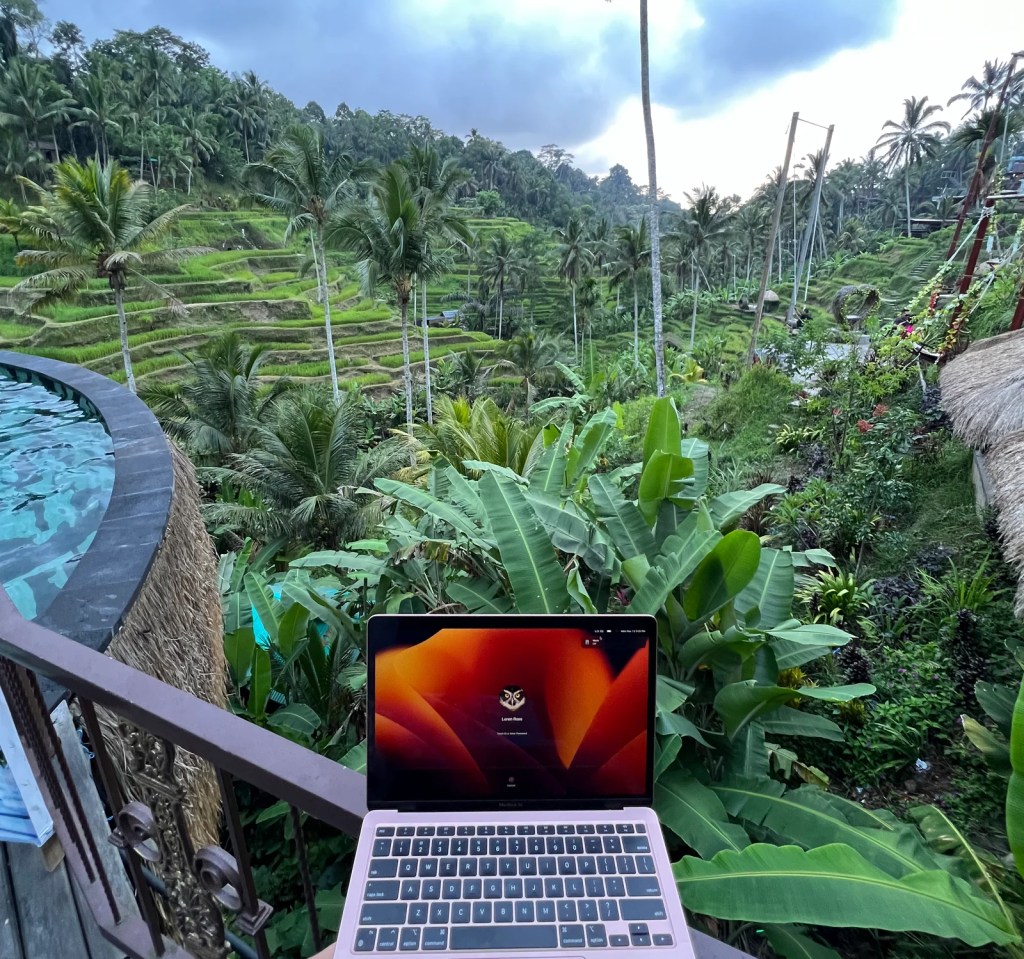
Working in Bali, it was a pretty killer office view
Ever landed in a country that just clicked with you? The food, the people, the pace of life—it felt like home. But then the clock started ticking on your 90-day tourist visa.
Sound familiar?
If you’ve been there, or you’re planning ahead, this guide is for you.
The digital nomad visa is changing how we travel and work in 2025.
In this guide, you’ll get
- Facts
- Insights
- and some personal stories
All to help you decide if it’s the right move for your lifestyle. We’re not just listing countries—we’re helping you figure out which visa works for you.
What Is a Digital Nomad Visa in 2025?
A digital nomad visa is a government-issued permit that allows remote workers to live in a country legally while working for a company or clients outside that country. Unlike tourist visas, these are designed for longer stays—typically 6 to 24 months.
They usually require you to:
- Prove a stable income (varies by country)
- Show proof of remote work or freelancing
- Purchase travel or health insurance
Some even let you bring dependents, apply for residency later, or enjoy tax breaks.
Top Countries Offering Digital Nomad Visas (2025 Update)
Here’s a breakdown of 15 popular countries offering digital nomad visas this year:
| Country | Min. Income Req. | Duration | Remote Employee | Self-Employed | Notes |
| Portugal | €2,800/month | 12-24 mo | Yes | Yes | Access to EU, great community |
| Spain | €2,300/month | 12 mo | Yes | Yes | Tax breaks in year 1 |
| Croatia | €2,300/month | 12 mo | Yes | Yes | Coastal living, low cost |
| Estonia | €3,500/month | 12 mo | Yes | Yes | Fast digital gov services |
| Costa Rica | $3,000/month | 12-24 mo | Yes | Yes | Nature-rich, eco-tourism hub |
| Mexico | $1,620/month | 12 mo | Yes | Yes | 180-day tourist option also good |
| Uruguay | No fixed amount | 6-12 mo | Yes | Yes | Relaxed process, low taxes |
| Indonesia | TBD | Up to 5 yrs | Yes | Yes | New 5-year visa launching soon |
EUROPE
| Portugal | Spain | Malta |
| Hungary | Italy | Cyprus |
| Greece | Croatia | Romania |
| Estonia | Georgia | Iceland |
| Norway | Latvia | North Macedonia |
THE CARRIBEAN
| St Lucia | Montserrat | Dominica |
| Cayman Islands | Antigua and Barbuda | Barbados |
| Bahamas | Anguilla | Curaçao |
| Bermuda |

Beautiful sunset in Dominican Republic!
MIDDLE AND SOUTH AMERICA
| Colombia | Ecuador | Brazil |
| Mexico | Panama | Costa-Rica |
| Belize | Uruguay | Argentina |

Jardin, Colombia
ASIA
| Malaysia | Thailand | South Korea |
| Turkey | Japan |
Need help with affordable stays in Asia? I already did the work for you!
MIDDLE EAST AND AFRICA
| UAE | Mauritius | Namibia |
| Cape Verde | Seychelles | South Africa |

South Africa, absolutely breath taking!
*According to Immigrant Invest
Application Process (And What to Expect)
Most digital nomad visas follow a similar path. Here’s what it usually looks like:
- Enter the country and register locally (in some cases).
- Choose your destination and confirm eligibility.
- Gather required documents (passport, proof of income, insurance).
- Fill out the application (online or in person).
- Submit fees and wait for approval (4 to 12 weeks, depending on the country).
Documents Checklist:
- Valid passport (6+ months left)
- Remote job/freelance contracts
- Bank statements
- Travel or health insurance
- Clean criminal background check
Costs & Hidden Expenses to Plan For
Sure, the visa fee might be $100-$300, but here are costs you might not expect:
- Required international health insurance ($500+/year)
- Notarized translations of documents
- Exit or departure taxes
- Lawyer or visa consultant fees (optional, but sometimes helpful)
- Additional costs for bringing a spouse or kids
- Government Bulls****
- Especially in western European countries, it feels like they take pride in how inefficient and archaic their governments run
Visa Tip: Budget at least 20% extra for administrative or “surprise” expenses.
Is This Visa Right for You?
If you’re a remote worker or freelancer earning a stable income, and you’re tired of playing the 90-day tourist shuffle, then yes. But ask yourself:
- Can I meet the income requirement?
- Am I okay with the paperwork and possible waiting time?
- Do I want to stay longer in one place to really settle in?
If you value legal stability, access to banking and rentals, and community, it’s probably a fit.
I firmly believe that in order to build community as a digital nomad with folks who aren’t other travelers, you need to stay at a place for at least a few months, and long-term visas let you do that.At the time of writing this my girlfriend and I are likely going to stay in Portugal next year on a digital nomad visa – it’s the way to go!
Real Talk: Not Everything Is As Glamorous As It Seems
From personal experience, bureaucracy isn’t sexy. Some countries have digital forms that crash constantly. Others ask you to physically show up at embassies far from your current location. Language barriers, visa delays, and culture shock are real….
Also, don’t underestimate loneliness. I learned early on that co-working spaces and local communities are essential—not just for productivity, but for mental health. The digital nomad life can be freeing, but it’s also an emotional rollercoaster.
Check out my 18 tips to combatting loneliness as a digital nomad here.
Alternatives to a Digital Nomad Visa
Some destinations don’t even require a special visa if you’re staying short-term. Here are examples:
| Country | Tourist Stay Length | Notes |
| Mexico | 180 days | No nomad visa needed for short stays |
| Georgia | 365 days | Free visa for many nationalities |
| Albania | 365 days | Simple tourist policy |
| Colombia | 180 days | No nomad visa needed for short stays |
Just be aware: these don’t grant access to long-term housing, tax benefits, or legal protections that nomad visas can.
Staying Productive & Sane While Abroad
Here are a few battle-tested tips:
- Use co-working spaces to plug into local community
- Get a local SIM or eSIM with good data – my recommendation is Airalo
- Stick to a routine (work hours, exercise, meals)
- Journaling can really help you stick to that routine, see how I journal while traveling here.
- Build in time offline to explore
Need gear or setup tips? We have guides on
An Honest Review Of The Starlik Mini
FAQ’s
Which countries offer digital nomad visas in 2025?
More than 20 countries now offer these visas, including Portugal, Spain, Croatia, Costa Rica, and Indonesia. The list is expanding rapidly.
What is the easiest digital nomad visa to get?
Countries like Mexico, Costa Rica, and Georgia have relatively simple applications and lower income requirements.
Do I need a visa to work remotely from another country?
Yes, if you’re planning to stay longer than a tourist visa allows or want to avoid legal issues. Tourist visas often don’t permit remote work legally.
How much money do I need for a digital nomad visa?
Income requirements vary. Some countries ask for as low as $1,500/month; others require $3,000+. Always check current guidelines.
Can I bring my partner or kids on a digital nomad visa?
Many countries allow dependents, but you may need to show a higher income or submit extra paperwork.
What happens if I overstay a nomad visa?
Overstaying can result in fines, deportation, or bans. Always plan ahead and follow renewal instructions if available.
Can I apply for residency after holding a digital nomad visa?
Some countries allow this, especially after long-term stays. Portugal and Spain have more flexible options than others.
What’s the difference between a digital nomad visa and a tourist visa?
Tourist visas are for short visits and often prohibit work. Digital nomad visas allow legal long-term residence while working remotely.
Are digital nomad visas taxed?
Depends on the country. Some have tax exemptions for nomads; others treat you as a resident after 183 days. Get professional advice.
Where can I find community as a digital nomad?
Co-working spaces, nomad forums, Facebook groups, and local meetups are great ways to connect.
🙋♀️ Want to stay up to date on my journey?
Follow Me On Instagram or Youtube – @officialdigitalnomadlifestyle
مرحبًا! مقال رائع حقًا حول تأشيرات الرحالة الرقميين. لقد استفدت كثيرًا من المعلومات الواردة حول إسبانيا بشكل خاص. لدي سؤال يتعلق بالجزء الإداري: أنا أعمل كمحلل بيانات في مجال المعلوماتية الحيوية، وكثيرًا ما أتعامل مع بيانات حساسة من مراكز الموارد الحيوية (BRCs). كيف يمكنني التوفيق بين متطلبات الأمان الصارمة لعملي (مثل استخدام VPN آمن واتباع بروتوكولات الوصول الخاصة بـ NIAID) وبين الحياة والعمل من إسبانيا بموجب تأشيرة الرحالة الرقمي؟ هل هناك أي موارد موثوقة أو إرشادات محددة يمكنني الرجوع إليها لفهم كيفية إعداد عملي عن بعد بشكل آمن وقانوني؟ وجدت هذا الدليل حول الحصول على NIE الإسباني عبر الإنترنت https://e-residency.com/spain-nie-online/ مفيدًا للغاية للبدء في الإجراءات، ولكنني أتساءل عما إذا كان يغطي أيضًا الجوانب الأمنية الإضافية لمحترفي التكنولوجيا مثل حالتي. شكرًا لكم مقدمًا على أي نصيحة يمكنكم تقديمها!